FAQs
-
It's a B.S. that focuses on the chemical, molecular, and cellular basis of nervous system function — including neuronal signaling, neuropharmacology, neurophysiology, and the cellular mechanisms underlying brain diseases and injury. It's distinct from the Cognitive and Behavioral Neuroscience concentration, which takes a more psychological approach.
-
Yes. UM offers an accelerated BS/MS degree track that allows students to earn both a bachelor's and master's degree in neuroscience in five years — providing a significant competitive advantage for medical school, graduate school, and research careers.
-
100% of the 2020 graduating class of Cellular and Molecular Neuroscience gained first-hand research training, and 80% of all graduates across both graduating classes at the time of reporting had done so.
-
Graduates pursue medicine (physician, physician's assistant, dentist, veterinarian), research science, graduate study in neuroscience or biomedical fields, science writing, law, and business. Neuroscientists earn an average of $91,510 per year, with salaries reaching $159,000 depending on specialization.
-
The Summer Undergraduate Research Fellowship Program provides salary and supply stipends for students pursuing summer research in faculty labs. NIH-funded research centers on campus also sponsor opportunities and events specifically for neuroscience undergraduates.
Jump To
3rd
ranked among most popular major for pre-med students is neuroscience
13%
growth rate for medical science jobs, including neuroscientists
100%
of 2020 neuroscience majors gained first-hand research training
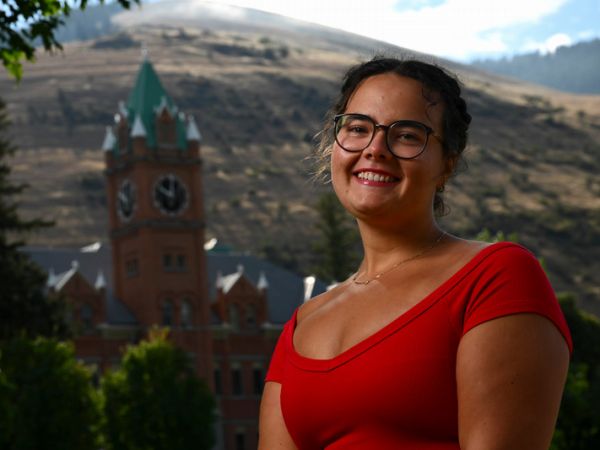
Neuroscience Student Finds Community at UM
At UM, Ava Heintzelman found a campus that felt small enough for professors to know her while still providing opportunities and resources she associated with larger universities. She started as a freshman studying biology, but relationships with faculty helped her discover connections between her interests in neuroscience, chemistry and healthcare, leading her to earn dual degrees in biochemistry as well as cellular and molecular neuroscience.
Beyond the Classroom: Experiential Learning in the Neuroscience Degree Program
The neuroscience major is rich with opportunities for both research and internships. Among the program’s two graduating classes, 80% of all graduates and 100% of 2020 graduates gained first-hand research training.
Internships for Neuroscience Majors
The neuroscience program and its faculty have developed ties to a number of private sector companies through which student internships have been developed. As a result, students take with them valuable experience in the field that serves them well in their career path.
Undergraduate Research Experiences for the Bachelor’s in Neuroscience
The neuroscience degree program emphasizes research throughout its curriculum, particularly the rigorous research techniques course. Research opportunities in NIH and NSF-funded faculty labs are also encouraged and facilitated.
Career Development in the Neuroscience Major
UM is passionate about preparing students for life after graduation. The neuroscience is no exception, providing mentoring, training and guidance from year one.
For example, students pursuing independent research opportunities in faculty labs receive exceptional mentoring and are trained on state-of-the-art instrumentation. In fact, the same UM faculty members who lecture in the classroom also mentor students as part of their nationally recognized research efforts.
Networking and Professional Development in the Neuroscience Degree
Our Summer Undergraduate Research Fellowship Program provides neuroscience majors with salary and supply stipend to pursue a research project in the laboratory of a faculty mentor over the summer. Hands-on experiential training includes research techniques, experimental design and communicating results, all of which are skills needed in both the workforce and graduate/profession schools.
In addition, NIH-funded research centers sponsor numerous opportunities and events for students.
Clubs and Student Organizations for Neuroscience Majors
Our Neuroscience Club was established through a grassroots effort of a number of undergraduates. The club is now formally recognized by Associated Students of the University of Montana (ASUM). The club facilitates social activities with faculty, peer-to-peer mentoring and outreach to K-12 schools.
Explore Classes for Cellular and Molecular Neuroscience
The UM cellular and molecular neuroscience major contributes to understanding the cause, treatment and prevention of neurological disorders, traumatic brain injury and mental disorders. Courses cover such topics as neuroanatomy, behavior and cognition, motor learning and control, neuropharmacology and molecular neuroscience.
View all classes for the bachelor’s degree in cellular and molecular neuroscience.