Partner: The Ember Alliance
Partner Profile: The Ember Alliance
The Ember Alliance is a partner of the Rocky Mountains Cooperative Ecosystem Studies Unit
(RM-CESU), contributing expertise in collaborative fire management, prescribed fire training,
and community wildfire planning across the West. Based in Fort Collins and working nationally,
the organization’s mission is to help restore communities’ relationships with fire by recognizing
fire as an ecological process as well as a practical tool for resilience.
The organization’s work spans two main focus areas. The first involves expanding the use of
prescribed fire and fuels treatments to create healthier, more resilient forests and grasslands.
The second centers on supporting communities in planning for wildfire through research, risk
assessments, and community wildfire protection plans. These focus areas reinforce one
another: building ecological resilience requires social capacity, shared knowledge, and
collaboration across jurisdictions.
One recent effort that reflects this integrated approach is a research project aimed at improving
guidance for roadside fuel treatments. Roadways often serve as evacuation routes and tactical
control lines during wildfires, yet science-based guidelines for how to design these treatments
remain limited, especially across different forest types and terrain conditions. The Ember
Alliance is leading a collaborative project that combines literature review, fire behavior modeling,
and practitioner input to better understand how roadside vegetation conditions influence fire
intensity, firefighter safety, and evacuation feasibility. The project also incorporates spatial data
on social vulnerability in order to help ensure that fuel treatments can be prioritized where they
may have the greatest benefit for at-risk communities. The findings are intended to help land
managers make more informed, equitable, and effective decisions about where and how
roadside treatments are implemented.
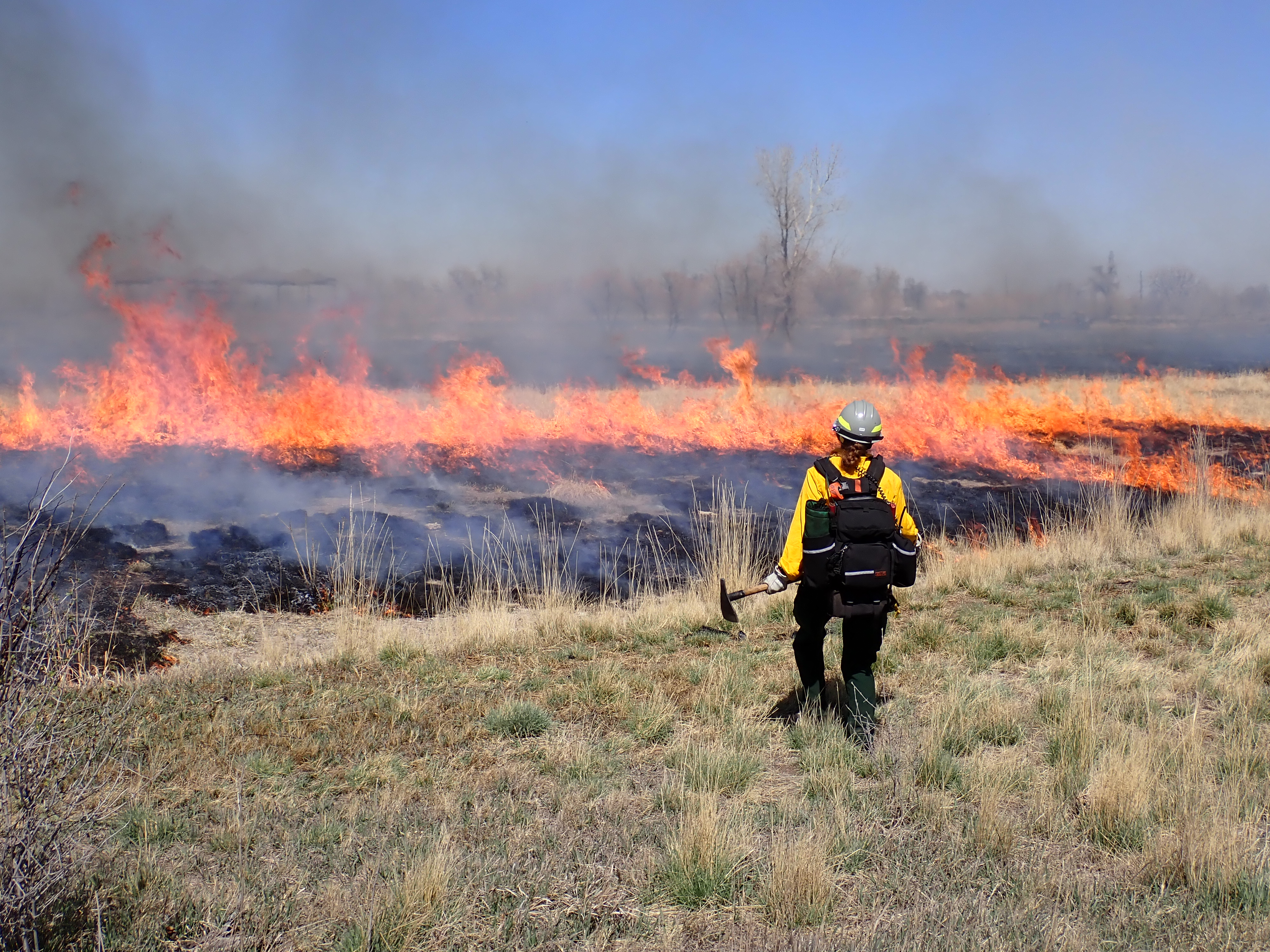
Another recent initiative is the Northern Colorado Prescribed Fire Training Exchange (TREX),
which provides hands-on, interagency prescribed burn training opportunities. Through TREX,
participants from federal and state agencies, county fire authorities, conservation organizations,
universities, and private lands staff work together to plan and conduct prescribed burns under
experienced leadership. This collaborative training model helps build a shared understanding of
prescribed fire practices, expands regional capacity to safely implement burns, and supports the
development of a local workforce that is familiar with the landscapes and conditions of northern
Colorado. The adaptive, weather-responsive schedule used in TREX also reflects the realities of
prescribed fire in the region, where suitable burn windows can be narrow and variable.
By joining the RM-CESU network, The Ember Alliance is helping bridge academic research,
land management, and community-based practice. Their work highlights the importance of
partnerships in advancing applied fire science, supporting communities in wildfire planning, and
rebuilding cultural and ecological relationships with fire. Through collaborative efforts like the
roadside research project and TREX, the organization is contributing to a broader regional
movement to increase the safe, strategic use of fire on the landscape and strengthen
community resilience in a changing fire environment.