Hayley Johnson - 2025 RM-CESU Student Award Winner
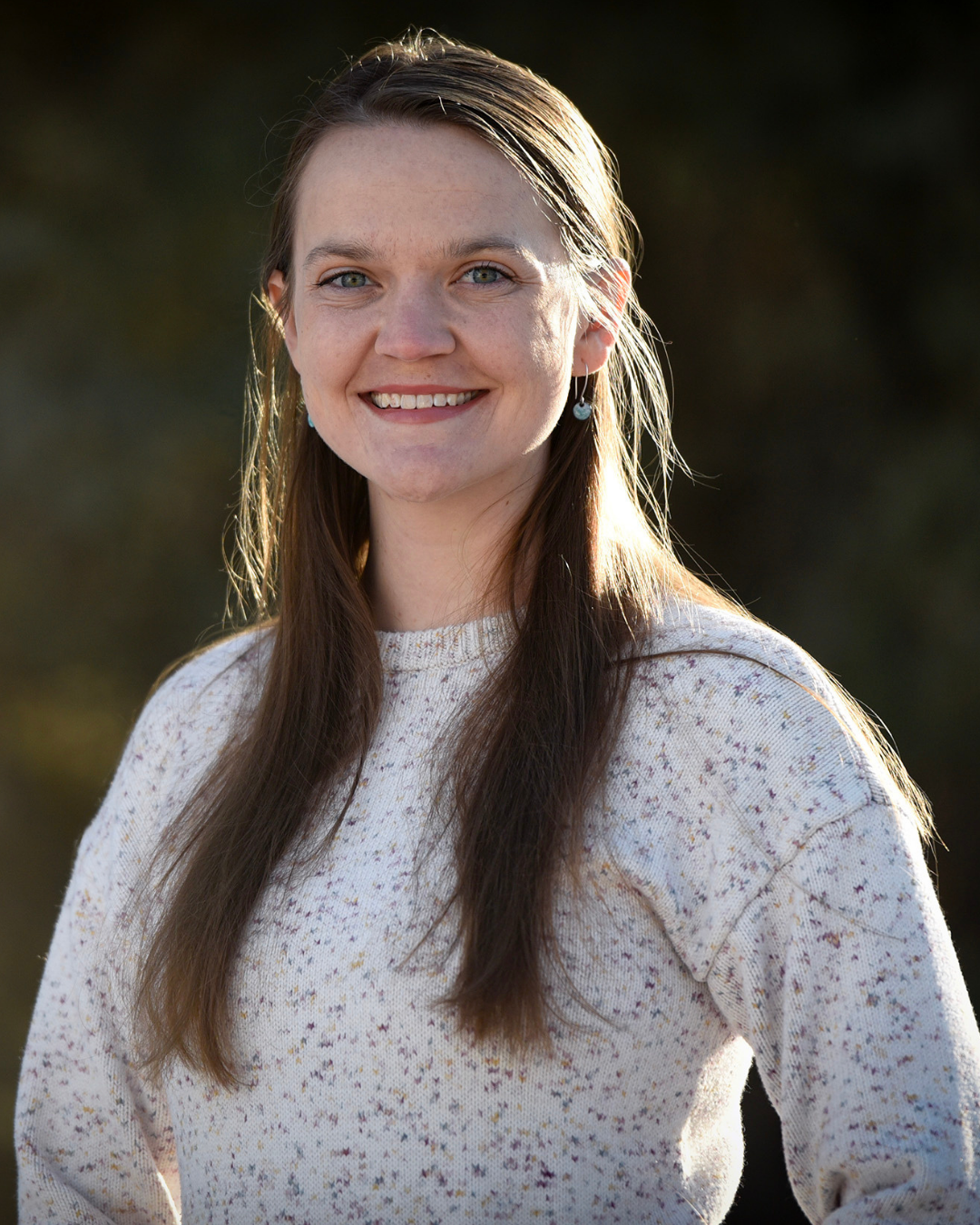
Hayley Johnson is the 2025 RM-CESU Student Award winner, recognized for her work on three RM-CESU-supported projects that help public land managers understand how people experience and access parks and recreation areas.
The first project focused on what the National Park Service calls “managed access systems” — the maze of permits, passes, timed-entry tickets, campground reservations, and other requirements visitors must navigate to experience popular places. Hayley’s team walked through that process from a visitor’s point of view, step by step, mapping everything from advance trip planning to standing at a backcountry desk in a park like Yellowstone. What they found was that the systems had become both complicated and inconsistent. Different parks were using different language to describe essentially the same access requirements, which confused visitors and frustrated frontline staff. To address that, the team created a shared glossary of terms and processes that could help the agency communicate more clearly — both internally and with the public. Hayley views this as an equity issue: if getting to these places requires navigating complicated systems, who gets left out?
Her second project was an intensive visitor-use study at Blue Mesa Reservoir in Curecanti National Recreation Area in Colorado, the state’s largest body of water and a major boating and fishing destination. Hayley helped design and run on-the-ground fieldwork in summer 2024, pairing surveys of boaters with GPS tracking to understand where people actually went on the reservoir and how they felt about issues like crowding, conflict between users, and safety. When a key bridge across the reservoir was suddenly closed for structural reasons, her survey plan had to be rebuilt on the fly — sites changed, schedules shifted, expected visitor numbers dropped. She says that experience taught her how to adapt methods in real time and how to build trust with skeptical recreationists, especially boaters who were wary of sharing GPS tracks because they didn’t want to give up “secret spots.” The result was a fine-grained picture of use on the water: where people go, when, and what kinds of experiences they’re having.
Her final RM-CESU project looked backward — and forward. Hayley helped integrate decades-old survey data about river permit systems with new data on how visitors feel today. The goal was to ask whether long-standing systems like lottery permits or first-come-first-served models still match what recreationists value now, or whether managers are relying on assumptions that are 30 or 40 years out of date. Hayley says the point of this work is to give managers something better than guesswork. She thinks decisions about access, crowding, and permits should be based on what visitors actually experience and want, not just on a single manager’s sense of what’s best.
Johnson grew up in Virginia, spending time outside camping, fishing, and hiking with her family. She got her undergraduate degree in natural resource conservation at Virginia Tech, but felt she was missing something by just studying the natural elements. She realized she is most interested in the human side of public lands: who is utilizing a space, how are they experiencing it, and how can land managers protect both natural and human needs?
She then moved to Missoula to pursue a masters degree in Parks, Tourism, and Recreation Management, bridging that gap between natural resources and the human experience. She graduated in May 2025 but continues to work in Will Rice’s Wildland and Recreation Management Lab at the University of Montana.
Receiving the RM-CESU Student Award, she says, was a genuine surprise. Much of her work has happened behind the scenes, supporting managers, sorting out systems, and stitching together data that doesn’t always make headlines. Being recognized for that work felt meaningful to her because it affirmed that this kind of slow, applied research matters.
Looking ahead, Hayley is considering a Ph.D. and sees herself staying in academia. She hopes to keep doing applied research with land managers while also teaching and mentoring the next generation of recreation professionals.