Invertebrates Quietly Hold Ecosystems Together
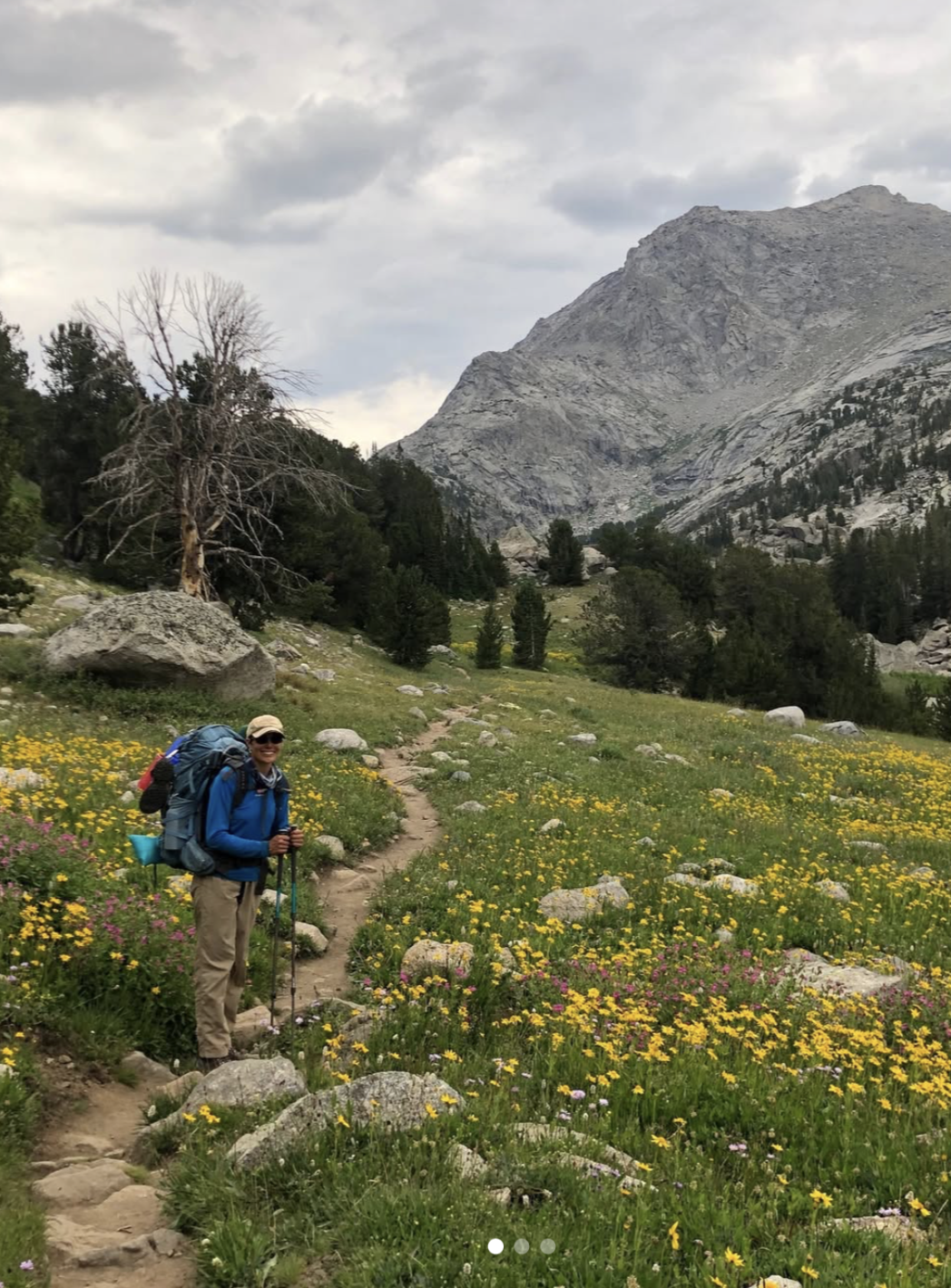
Lusha Tronstad has built her career studying the animals that quietly hold ecosystems together: invertebrates. These species play essential roles in nutrient cycling, food web distribution, and plant reproduction, yet they are often overlooked in conservation and management decisions. As the lead invertebrate zoologist with the University of Wyoming’s Natural Diversity Database (WYNDD), Tronstad focuses on understanding where these species live, how they interact with their environment, and how changes on the landscape affect their survival. Through her work, she translates invertebrate science into practical, on-the-ground information that federal and state land managers can use to guide real, informed decisions.
The Rocky Mountain Cooperative Ecosystem Studies Unit (RM-CESU) has played a central role in supporting this work by providing a mechanism for sustained collaboration between universities and management agencies. Tronstad has received multiple CESU awards over the years, allowing her and her research team to partner closely with agencies such as the National Park Service, Bureau of Land Management, U.S. Forest Service, U.S. Fish and Wildlife Service, and the Wyoming Game and Fish Department. This collaborative model ensures that study questions align with real‑world management needs and that results are delivered in a form that can easily inform decision making.
At the core of Tronstad’s research are “invertebrates of management concern”—species that are declining, poorly understood, or increasingly affected by land‑use change. Invertebrates underpin food webs, serve as a primary food source for birds, amphibians, reptiles, and even large mammals, and drive critical ecosystem processes such as decomposition and nutrient cycling. Despite their importance, basic information about where many species live, how abundant they are, and what habitats they depend on is often missing. Tronstad’s work focuses on filling those foundational data gaps, making effective management possible.
Her team’s projects range widely, from aquatic surveys for native mussels to sampling for insects in extreme environments. Across these efforts, the emphasis remains applied: collecting distribution, habitat, and abundance data, then working with agencies to interpret what it means for land management. In several cases, this approach has already influenced management strategies, from informing invasive‑species treatment planning to clarifying whether rare invertebrates warrant federal protection.
One project that exemplifies Tronstad’s applied approach examines how insects interact with wind energy infrastructure. Her team has found that many insects, including pollinators, are attracted to the large, white bases of wind turbines. Tronstad and her collaborators are testing whether changing turbine base colors can reduce insect attraction and help limit cascading effects on birds and other wildlife.
Through her partnership with RM‑CESU, Tronstad demonstrates how applied science, sustained collaboration, and attention to often‑ignored species can strengthen natural resource management. By bringing invertebrates into the conversation, her work ensures that decisions about land use and conservation account for the full complexity of the ecosystems managers are tasked with protecting.