Partner: Piikani Lodge Health Institute
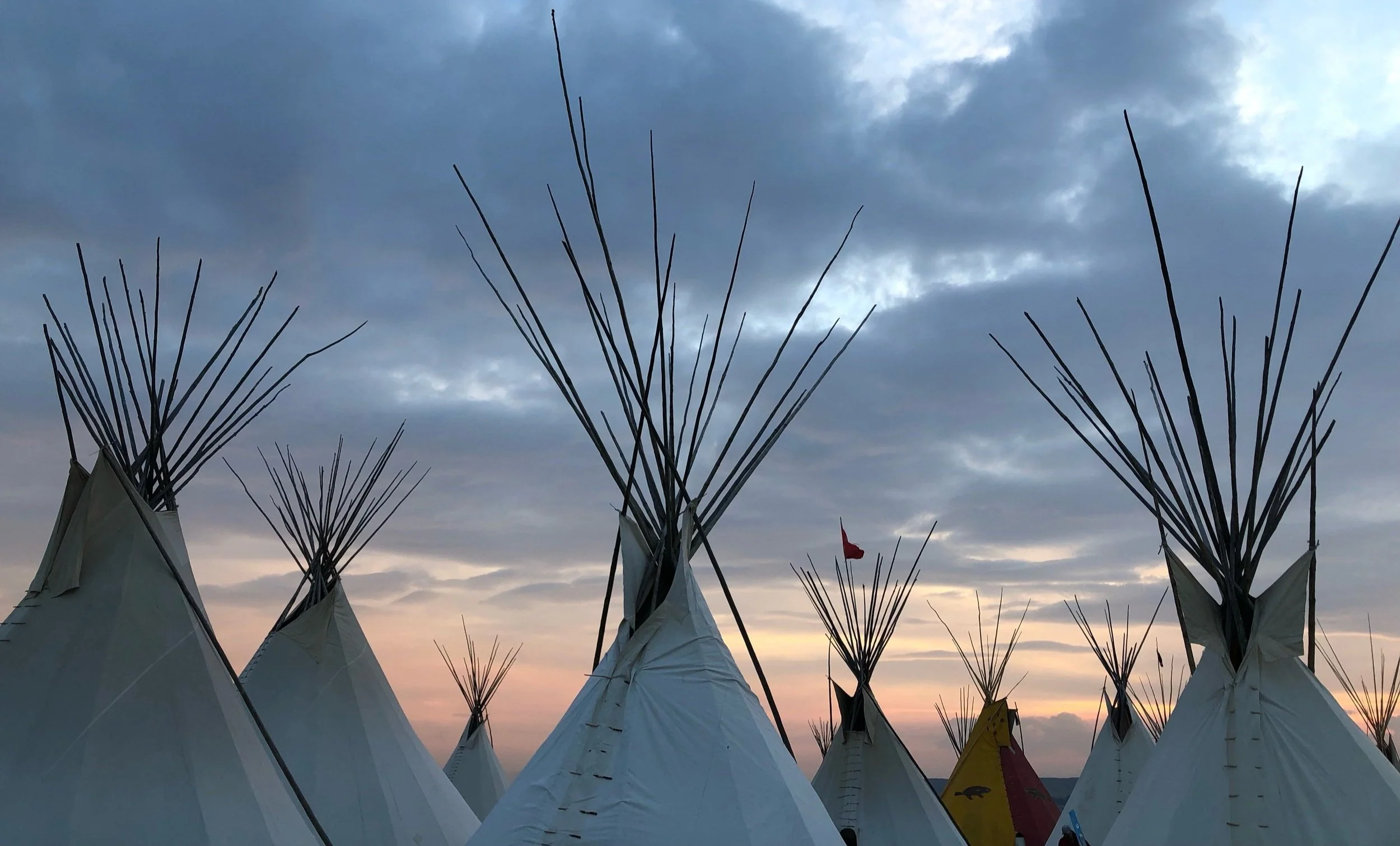
The Piikani Lodge Health Institute is a celebrated partner of the Rocky Mountains Ecosystem Studies Unit, contributing expertise as a collaborative non-profit.
The Piikani Lodge Health Institute (PLHI) is a celebrated partner of the Rocky Mountains Ecosystem Studies Unit (RM-CESU), contributing expertise as a collaborative non-profit. Based in the Blackfeet Nation in Montana, the organization's vision is focused on promoting the health and well-being of Blackfeet (Amskapi Piikani) people and lands by serving the community.
“As an organization founded and led by Native people, PLHI works holistically across both human and ecological domains to promote Indigenous health and well-being,” as stated on the PLHI website. The PLHI programs include; Piikani Health and Well-being, Local Economic Development, Indigenous Research and Planning, Indigenous Exchange and Leadership Development, Regenerative Agriculture and Food Sovereignty, and Community Resources.
“Our work spans conservation, agriculture, economy, and into jobs and health and wellness, it's a very holistic program that values the sharing of knowledge,” said Miisami Sapai yi Aki (Long Time Charging into Battle Woman) Kim Paul, PhD, and Co-Executive Director of PLHI.
The Piikani Health Program facilitates in restoring and reclaiming ancient ways of holistic health and well-being via Indigenous led research and evidence based practices. By being trained in both Western biomedical research methodologies and Traditional knowledge applications, the PLHI staff deliver evidence-based, culturally relevant, trauma-informed interventions.
PLHI Local Economic Development seeks to advance opportunities and reduce unemployment and poverty in the Blackfeet Nation by pursuing federal, state, and private funding. In the last four years PLHI has created 50 jobs within the temporary, part-time, full-time, and internship realm, positively contributing to the community and local economy.
The Indigenous Research and Planning Program is carried out through PLHI by committing to young Native scholars to help explore careers in health, food and agriculture, and related topics. PLHI hosts around 10-16 interns annually. PLHI works to create these internships to heal from the traumas imposed upon Indigenous peoples to reclaim identity.
The PLHI Indigenous Exchange and Leadership Development works to connect Indigenous Peoples regionally and globally by cross-cultural mentorship experiences. Previous exchange partners included the Sherpa people of the Nepal Himalaya and the Garhwali people of the Indian Himalaya. These international forum experiences include participation in the United Nations Permanent Forum on Indigenous Issues (UNPFII) and its working groups.
Piikani Lodge seeks to facilitate access to healthy and affordable foods that promote healthy living via the Regenerative Agriculture and Food Sovereignty Program, while also preserving the ecological and cultural uniqueness of the region. PLHI also offers a Blackfeet Nation Producer Directory through Community Resources to help connect local producers and buyers in the area. Learn more at Piikani Lodge Health Institute’s website.