Partner: Wildlife Restoration Foundation
Wildlife Restoration Foundation: Building Partnerships for Wildlife Recovery
By: April Eling
The Wildlife Restoration Foundation (WRF), a partner organization of the Rocky Mountain
Cooperative Ecosystem Studies Unit (RM-CESU), works to strengthen wildlife conservation
through collaboration. The organization often serves as a convener—bringing together wildlife
agencies, tribes, zoos, researchers, and conservation practitioners to develop practical
approaches to restoring wildlife populations and habitats.
WRF’s work is rooted in the idea that conservation challenges are best addressed through
partnerships across sectors. Many conservation efforts occur in parallel, with agencies,
organizations, and communities working toward similar goals but without formal mechanisms for
collaboration. WRF helps bridge these gaps by facilitating partnerships that align expertise,
resources, and shared conservation objectives.
One of the organization’s foundational initiatives is its Zoo–Park Partnership model. These
collaborations connect AZA-accredited zoos and aquariums with national parks, wildlife refuges,
tribes, and other land managers to support wildlife conservation in the field. In these
partnerships, zoological institutions contribute scientific expertise, veterinary capacity, animals
raised for restoration, wildlife rehabilitation, and public engagement tools that complement
on-the-ground wildlife management in parks and protected areas.
Zoo–Park Partnerships typically combine three elements: collaborative field conservation
projects, interpretation that connects zoo visitors to wildlife conservation in protected areas, and
community stewardship activities that engage the public in hands-on conservation efforts. By
linking institutions that care for wildlife with those responsible for managing wild landscapes,
these partnerships expand the capacity for restoration projects while building broader public
awareness of wildlife challenges in parks.
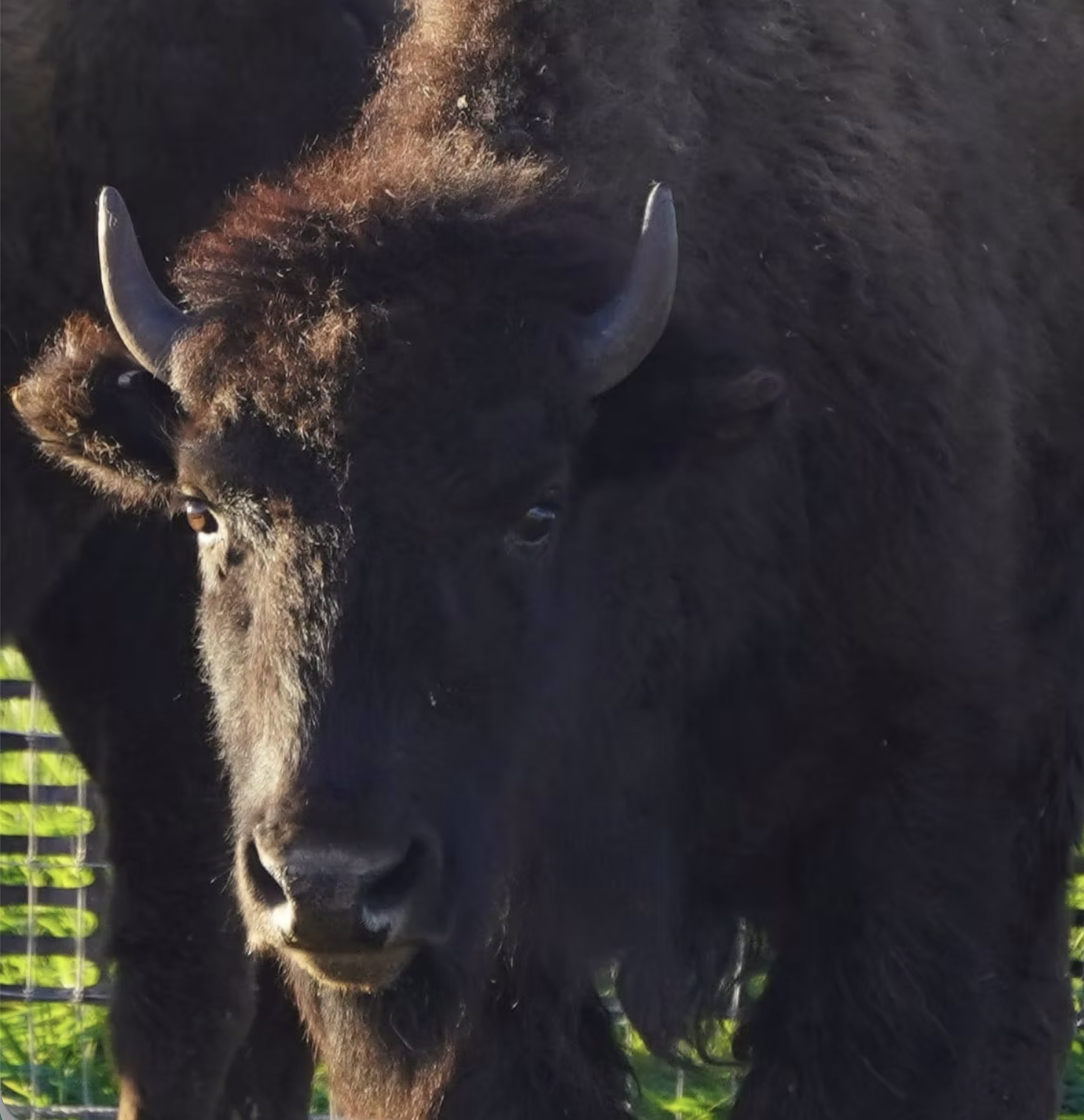
WRF has also expanded its work in bison conservation, helping develop conservation-intent
herds at zoological institutions. These herds can support broader restoration efforts by
maintaining animals with strong genetic integrity and known lineage. In some cases, bison born
in these programs have contributed to the growth and diversification of herds managed by tribes
or other conservation partners.
Looking ahead, WRF will host the Second North American Bison Summit in April 2027 in
Denver, Colorado. The gathering will bring together tribes and First Nations, ranching
communities, conservation organizations, researchers, and government agencies to discuss the
future of bison and grassland conservation. Workgroups will focus on topics such as herd
genetics and health, tribal buffalo programs, grassland restoration, and cross-sector
collaboration.Through these efforts, the Wildlife Restoration Foundation continues to connect people,
institutions, and landscapes in support of a shared goal: restoring abundant and resilient park
wildlife populations across North America.