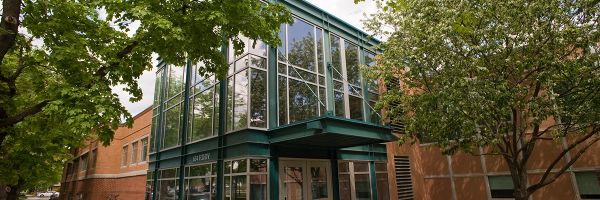
Welcome to Curry Health Center!
Accessing Care at Curry Health Center
If you’ve paid the Health Service Fee as part of your tuition, you’re eligible to receive care at Curry Health Center. This fee supports free or low‑cost wellness and preventive services for students.
How to Get Care
- Call to schedule an appointment: 406-243-2122
- Counseling or Dental appointments: Schedule through the Patient Portal
- For follow-up Counseling appointments, please call: 406-243-4712
- Medical appointments: Use our online screening tool to determine the appropriate appointment type and whether a walk-in is recommended
Same-day Urgent Care
If you're concerned about a recent illness, symptoms, signs of infection, or a recent injury, please come in during same-day walk-in hours: 9 - 11 AM and 1 - 4 PM

Summer Hours at Curry Health Center
Curry Health Center is open Monday - Friday from 8 AM to 5 PM during the summer. Please note that Medical, Dental, and Counseling appointment times may vary.
Before visiting, we recommend checking the Patient Portal or calling 406-243-2122 for the most up-to-date availability and scheduling information.
The Health Services Pharmacy will operate on a reduced summer schedule and will be open from 10 AM to 3 PM.
Students are eligible to receive care at Curry Health Center over the summer if they were registered for classes and paid the health service fee in Spring 2026, or if they are registered for Summer Session courses.
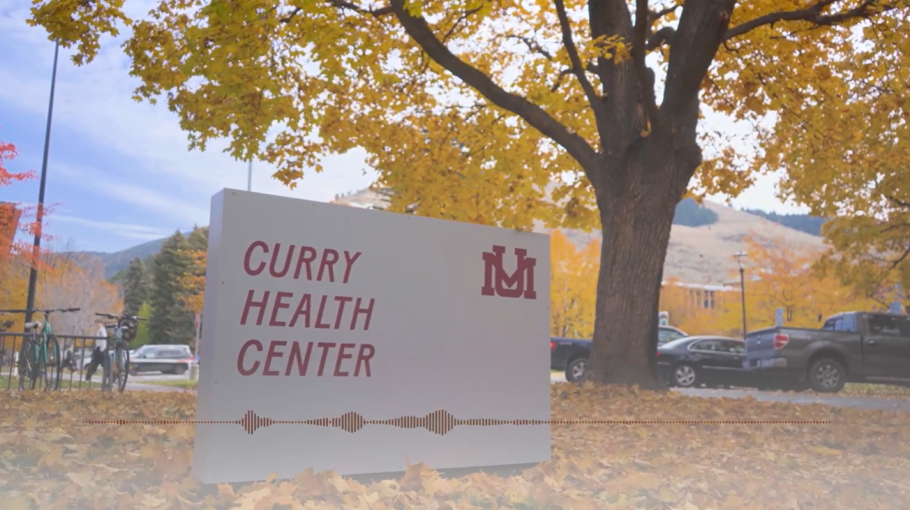
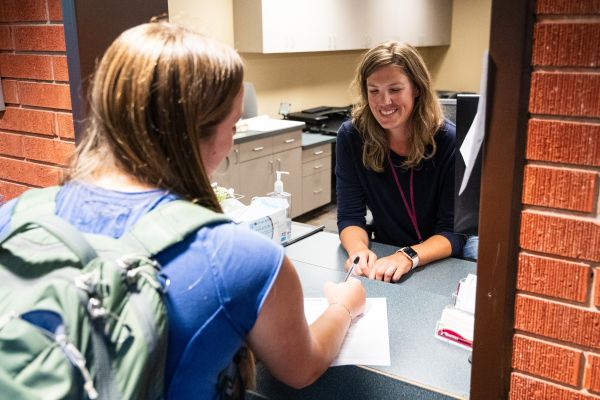
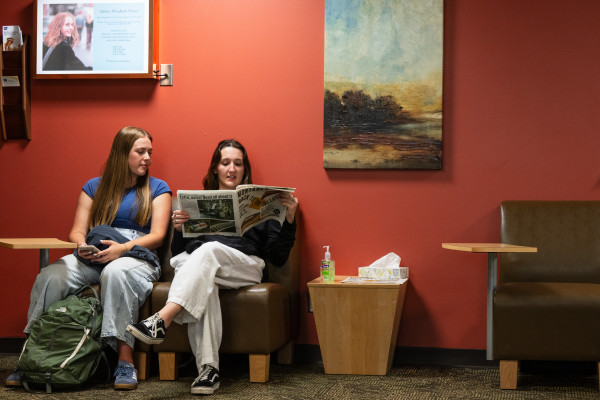
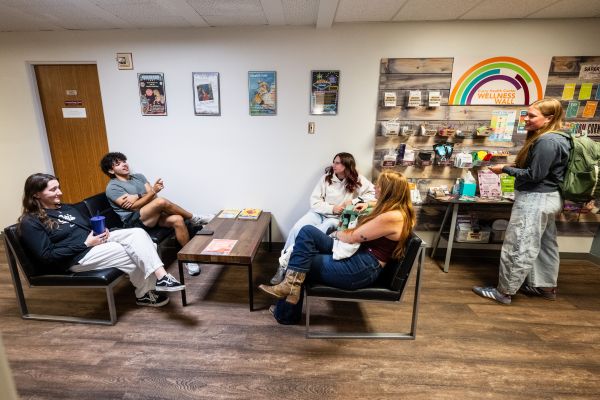
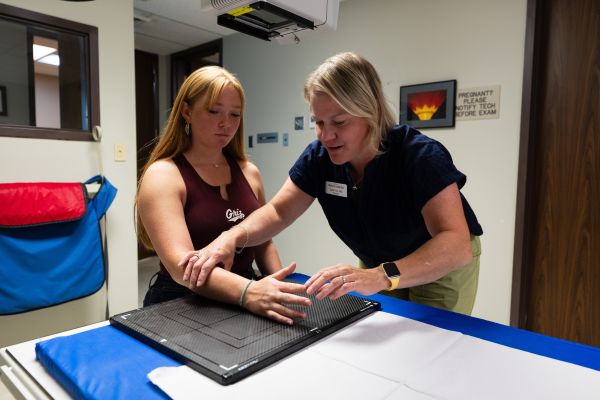
Step Inside Curry Health Center
Helpful Links

Not sure how health insurance works?
Check out Health Insurance 101 to learn what it means for your care at Curry Health Center Medical!
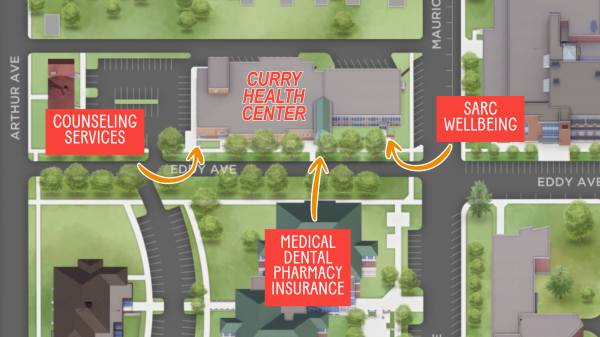
Finding Your Way
Where To Find Us
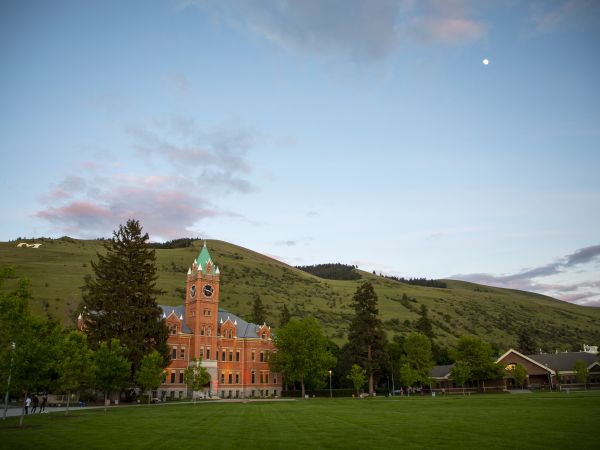
The Curry Health Center is located on the NorthWest corner of Mountain Campus (634 Eddy Ave) for easy access for students.
The SARC and Wellbeing departments are found in the East entrance, closest to the School of Law building.
The Medical, Pharmacy, and Dental departments are found in the Center entrance, up the stairs. This is an accessible entrance.
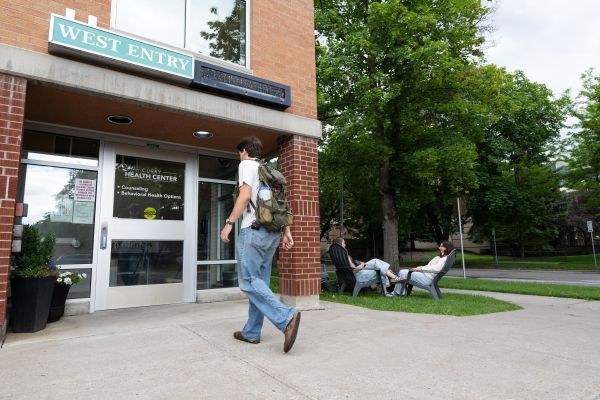
The Counseling Services department is found in the West entrance, closest to the parking lot, and is downstairs. This is an accessible entrance.
Click here to watch a virtual tour of Curry Health Center on Instagram!
Feedback Form: We want to hear from you!
We pride ourselves on serving students and we want to know if we're doing it well.
This form is anonymous to preserve your confidentiality. If you want to have someone follow up personally with you after you submit your form, please call (406) 243-6076 or email brian.chaszar@mso.umt.edu and we will will have the appropriate staff member follow up with you.
Events
Land Acknowledgement
The University of Montana acknowledges that we are in the aboriginal territories of the Salish and Kalispel people. Today, we honor the path they have always shown us in caring for this place for the generations to come.