Brawl of the Wild - Can the Cats

MOLLI/MSUOLLI Brawl of the Wild (REMOTE)
Celebrate one of Montana’s most spirited traditions with a special MOLLI/MSUOLLI Brawl of the Wild event on November 19th. Hosted in partnership with MSUOLLI, this program will feature a presentation connected to the annual Montana–Montana State football rivalry, the sport of football, or the traditions and stories surrounding this much-loved matchup.
Where Cats and Griz are United - A Brief History of the Montana University System (MUS) and Role of the Board of Regents
Presenter: Matthew Caires
Thursday, Nov. 19, 1:00-2:30 PM MT
For More Information or to Register
CAN THE CATS!
The rivalry continues off the field with a friendly food drive competition between MOLLI and MSUOLLI. Participants are encouraged to bring donations to class and help their OLLI team show its spirit while supporting community members in need. Every donation makes a difference!
Donate directly to Missoula Food Bank: https://give.gofundme.com/MOLLI
NEW MERCH - Show Your MOLLI Pride!

Learning never goes out of style! Visit the new MOLLI Merchandise Store and discover exclusive branded t-shirts, hoodies, hats, notebooks, tote bags, and more.
Whether you're in class, out and about, or looking for the perfect gift, our merchandise is a fun way to celebrate a community built on curiosity, connection, and the joy of lifelong learning.
No exams. No grades. Just great gear!
Shop the MOLLI Merchandise Store today and wear your love of learning wherever you go.
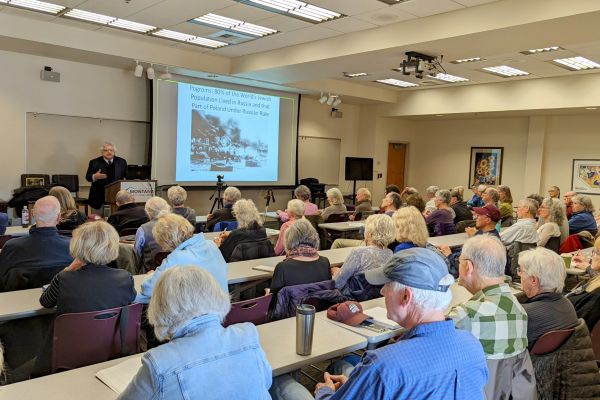
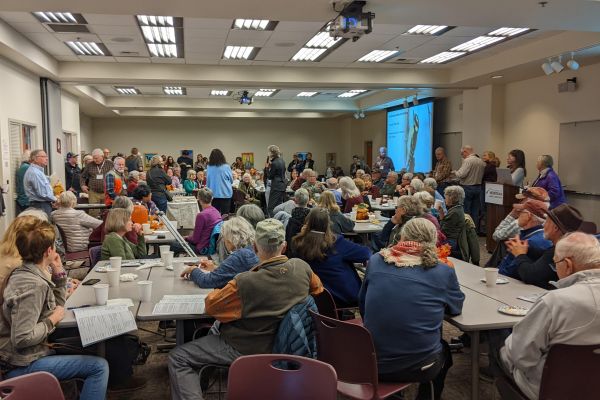
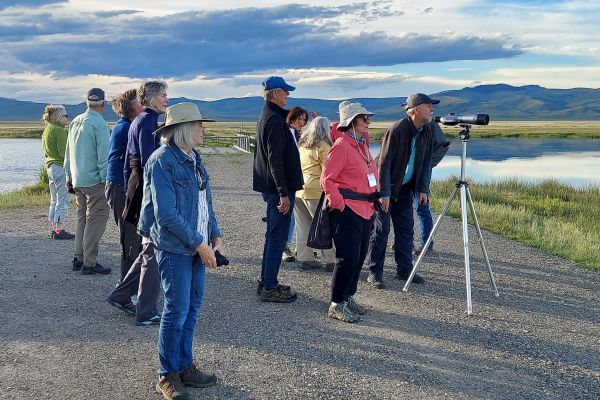
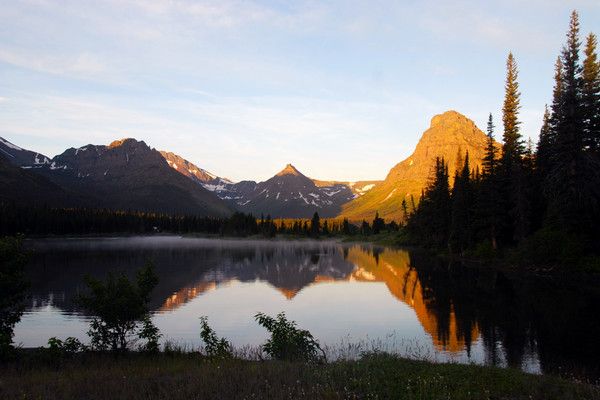
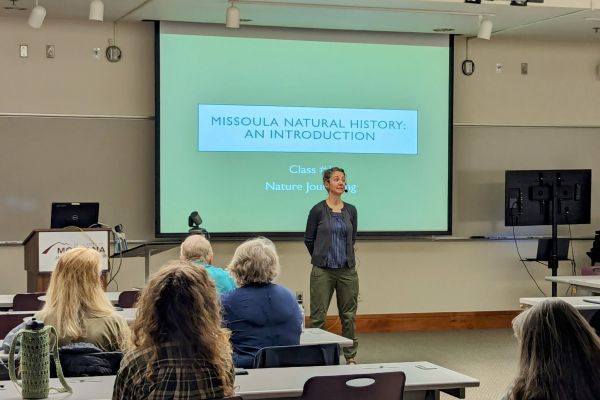
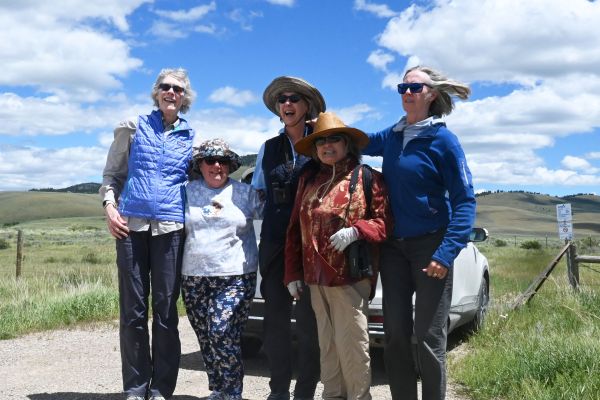
Who We Are / What We Do
 Initially funded by a grant from The Bernard Osher Foundation, the Osher Lifelong Learning Institute at the University of Montana (MOLLI) is a lifelong learning program for adult learners of ANY age.
MOLLI builds on the rich resources of the UM and offers programs that promote lifelong learning and personal growth of individuals through a diverse collection of noncredit, short courses and events offered year-round.
We aim to create an accessible and innovative learning environment so that individuals from all backgrounds and levels of education may pursue learning.
This is truly learning for the joy of learning – no exams, no grades – just fun!
721
2027 Members
116
2027 Donors
12645
2027 Donations
The University of Montana resides on the traditional lands of many Indigenous peoples including the Selis (Salish), Ksanka (Kootenai), and Qlispe (Kalispel). Many other Indigenous peoples including the Amskapi Pikuni (Blackfeet), Nimiipuu (Nez Perce), Shoshone, Bannock and Schitsu'umsh (Coeur D'Alene) also relied upon their traditional knowledge and relationships with this land and this space for survival in the past and today.
We acknowledge that educational, health, and legal systems that have led to the direct removal, oppression, and marginalization of Indigenous people throughout Montana and the nation. The University of Montana strives to improve education, service, and scholarship for all Indigenous peoples through actions aimed at respecting tribal sovereignty, empowering Indigenous scholars, and creating safe learning environments for all students to live, work, and learn together in equitable and positive ways.