
See selected publications of our faculty below.
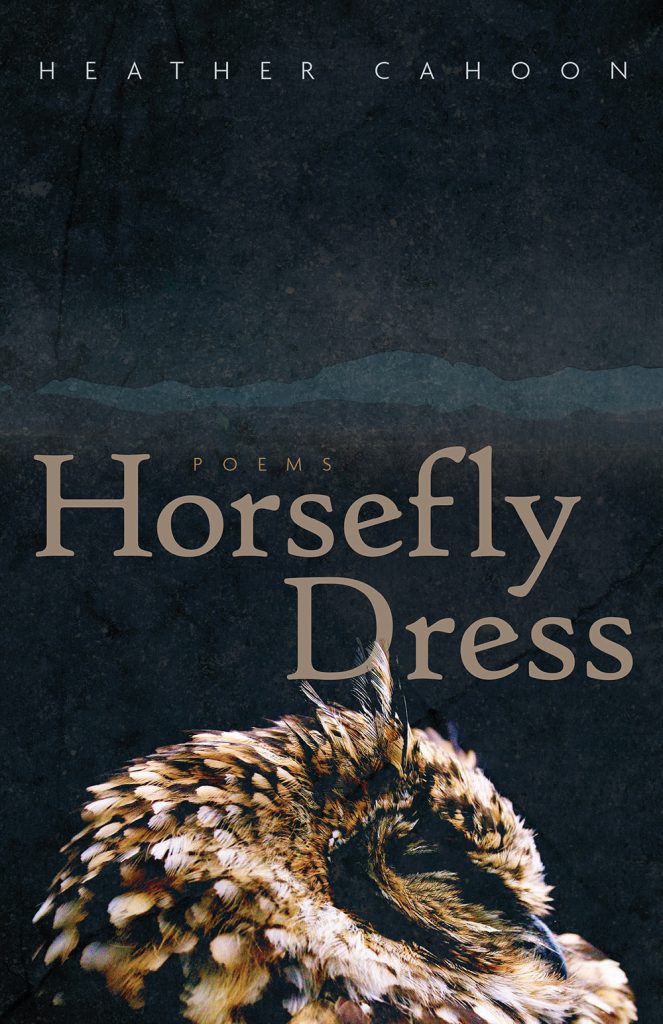
Horsefly Dress Poems
September 2020
Horsefly Dress is a meditation on the experience and beauty of suffering, questioning its triggers and ultimate purpose through the lens of historical and contemporary interactions and complications of Séliš, Qĺispé, and Christian beliefs. Heather Cahoon’s collection explores dark truths about the world through first-person experiences, as well as the experiences of her family and larger tribal community. As a member of the Confederated Salish and Kootenai Tribes, Cahoon crafts poems that recount traditional stories and confront Coyote’s transformation of the world, including his decision to leave certain evils present, such as cruelty, greed, hunger, and death.
By weaving together stories of Cahoon’s family and tribal community with those of Coyote and his family, especially Coyote’s daughter, Horsefly Dress, the interactions and shared experiences show the continued relevance of traditional Séliš and Qĺispé culture to contemporary life. Rich in the imagery of autumnal foliage, migrating birds, and frozen landscapes, Horsefly Dress calls forth the sensory experience of grief and transformation. As the stories and poems reveal, the transformative powers associated with the human experience of loss belong to the past, present, and future, as do the traditional Salish-Pend d’Oreille stories that create the backbone of this intricate collection.
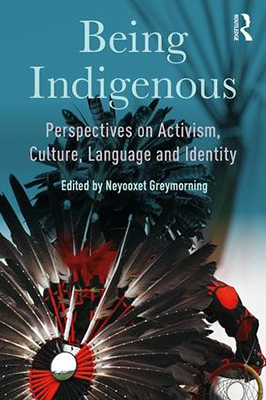
Being Indigenous: Perspectives on Activism, Culture, Language and Identity (1st Edition)
November 2018
This volume gives voice to an impressive range of Indigenous authors who share their knowledge and perspectives on issues that pertain to activism, culture, language and identity – the fabric of being Indigenous. The contributions highlight the experiences of Indigenous peoples from a variety of countries, including the United States, Canada, Australia, New Zealand, Japan, Greenland, Norway and Russia. The book provides valuable historical and political insight into the lingering impact of colonization, considering the issues faced by Indigenous peoples today and reflecting on the ability of their cultures, languages and identities to survive in the twenty-first century.
March 2026
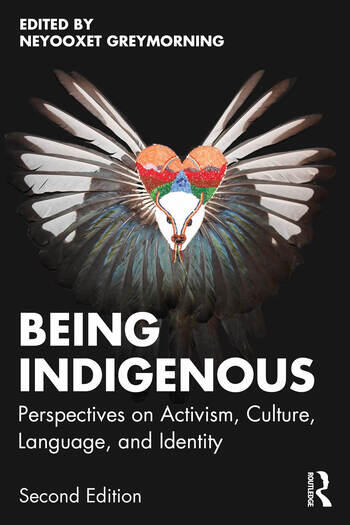
The second edition of Being Indigenous presents perspectives from 24 Indigenous scholars who share their knowledge on the interconnected fabric of activism, culture, language, and identity that defines Indigenous existence in the twenty-first century.
The book explores personal narratives, cultural traditions, and resistance strategies of Indigenous peoples from 11 countries. This expanded edition features significant updates including a new introduction, restructured organization prioritizing traditional cultural knowledge, and five entirely new chapters on power dynamics, pedagogical approaches, climate change impacts on Indigenous foodways, gender perspectives, and collaborative research methodologies in the Amazon.
Being Indigenous is essential reading for students and researchers in Indigenous studies, anthropology, sociology, linguistics, and cultural studies seeking authentic perspectives on sovereignty, identity, and cultural resilience from those who have lived these experiences.
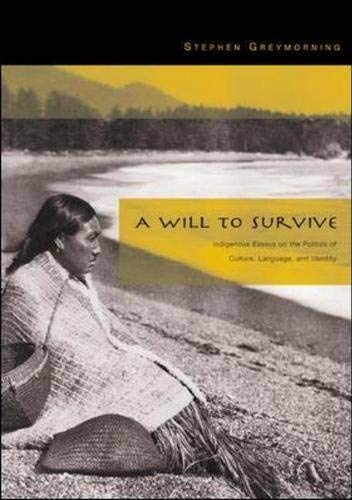
A Will to Survive: Indigenous Essays on the Politics of Language, Culture and Identity
January 2003
In A Will to Survive, Stephen Greymorning introduces students to the voices of the Indigenous people they are studying, to get a real sense of what it means to live in today’s world as an indigenous person. Greymorning has compiled a much needed anthology which illustrates differing perspectives, past experiences, and present concerns. He has edited the contributions so that they are accessible for college-level students. The anthology combines timely, scholarly and personal stories in one cohesive volume. The book presents readers with the perspectives of 14 Indigenous scholars, speaking with Indigenous political voices and writing about issues that impact them and their peoples from an insider’s view. The essays are organized in such a way as to blend language, culture, and identity, issues of great concern to Indigenous peoples, in order to bring a greater depth of understanding to readers interested in issues and challenges faced by Indigenous people.