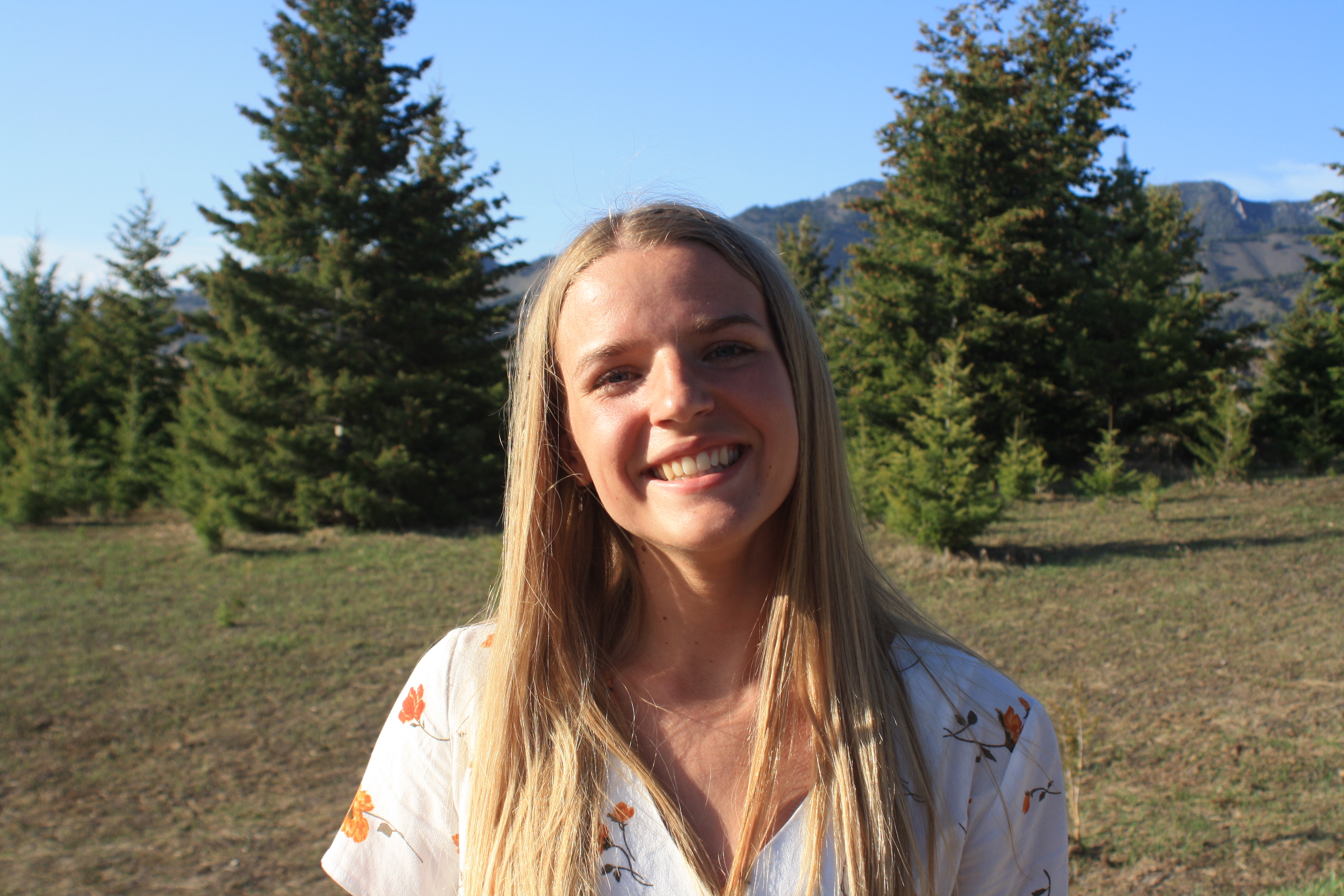
Sylvie Graham, OTD student at the University of Montana, bringing creativity, curiosity, and a passion for pediatric practice to her journey in occupational therapy.
Student Spotlight: Sylvie Graham
1. What drew you to occupational therapy, and why did you choose the University of Montana OTD program?
I was drawn to occupational therapy because it focuses on what our clients can do, rather than focusing on a disability or inability to do tasks. Occupational therapy focuses on the everyday activities that each individual wants, needs, or is expected to do. I am driven to help individuals create independence, meaning, and safety in their own lives, all while using their strengths and certain adaptations to allow them to do the things that help them thrive in their day-to-day lives.
2. What has been your most meaningful learning experience in the program so far?
The most meaningful learning experience I have had in the program so far has been learning that occupational therapists can be effective in many different ways, and that I feel like I can truly be myself when it comes to being a practitioner. I am excited to use creativity, flexibility, and problem-solving in my future practice to promote value and independence in the lives of my future clients.
3. Which OT population or practice setting are you most interested in right now, and why?
I am most interested in working in a pediatric setting in the future. I have always enjoyed working with kids, and I am consistently drawn to their curiosity, uniqueness, resilience, and imagination. I love the idea of being able to make a difference in someone's life who can then use those skills and abilities throughout their development and in the future.
4. What your favorite occupations?
My favorite occupations include backpacking, camping, hiking, paddle boarding, skiing, crafting, gymnastics, and spending time with friends and family.
5. What is one skill you’ve developed at UM OT that you’re especially proud of?
One skill I've developed at UM OT that I am proud of is flexibility and problem-solving in both working with peers and brainstorming ideas for interventions and future OT practice.
6. What advice would you give to future OTD students considering UM?
My advice would be to use your own strengths to truly thrive in both the program and life outside the program. The only way we can promote occupational balance for our future clients is to first practice it ourselves.
7. What do you enjoy doing outside of OT school that helps you recharge?
Things that I do to recharge outside of OT school include hanging out with friends and family, exercising, going on weekend excursions, and finding small things to do during the week to promote my well-being.
8. Looking ahead, what kind of occupational therapist do you hope to become in five years?
In five years, I hope to become an occupational therapist who is curious, empathetic, energetic, unique, flexible, and open to problem-solving. I understand that every future client will be different, and occupational therapy is not a one-size-fits-all practice. Instead, I am eager to learn about each and every one of my clients and to use a client-centered approach to build rapport and create a meaningful occupational therapy experience for both me and my clients.