Annual Sustainability Report 2025-2026
Zero Waste
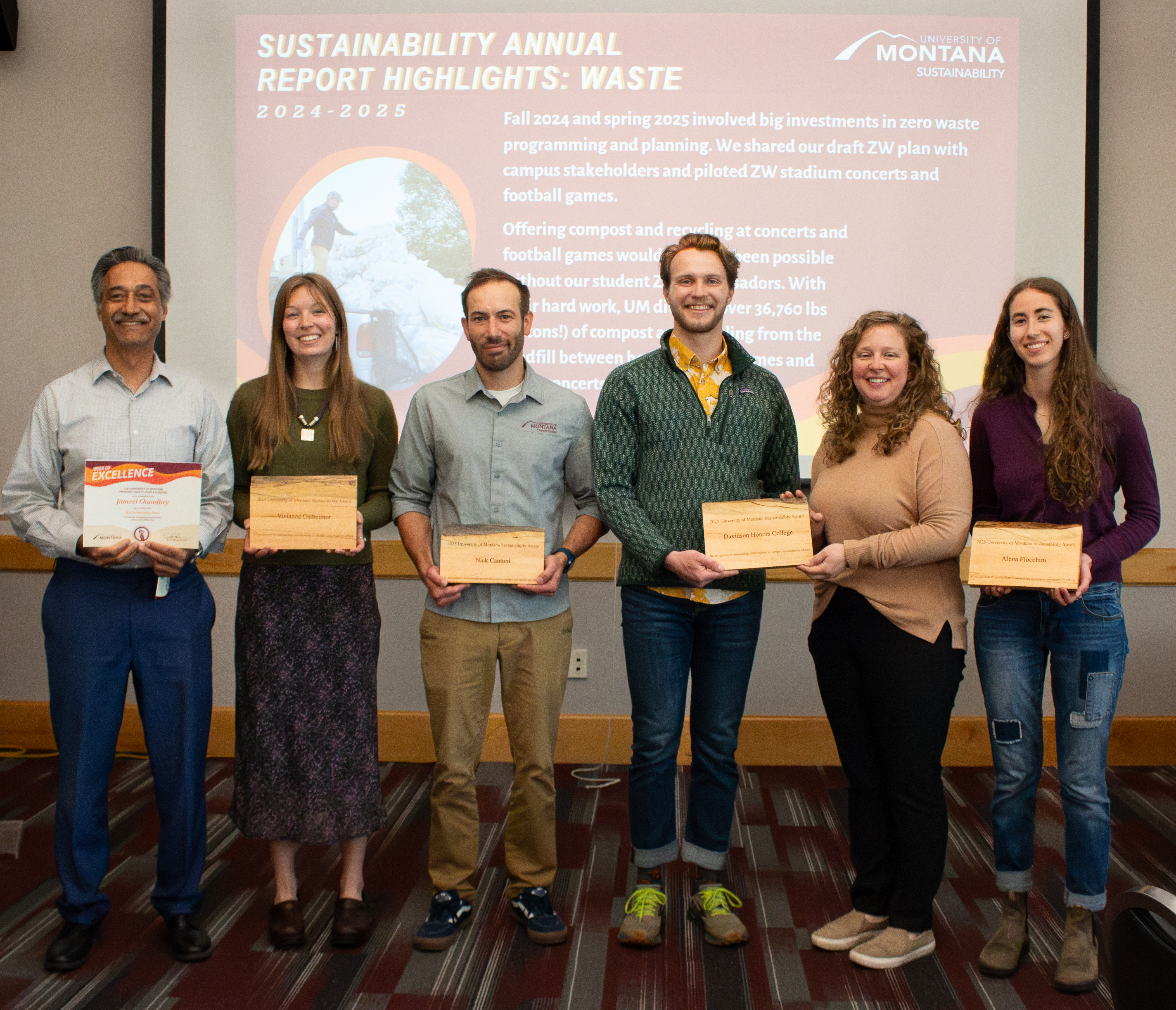
During our 2nd season of ZW programming in Griz Stadium, our ZW Ambassadors helped divert over 225 yards of compost and recycling from the landfill. That is the equivalent of filling up 120 standard-sized pickups with material.
We expanded All in the Hall infrastructure and services to Jeannette Rankin Hall and PARTV, increasing the total number of participating buildings to thirteen.
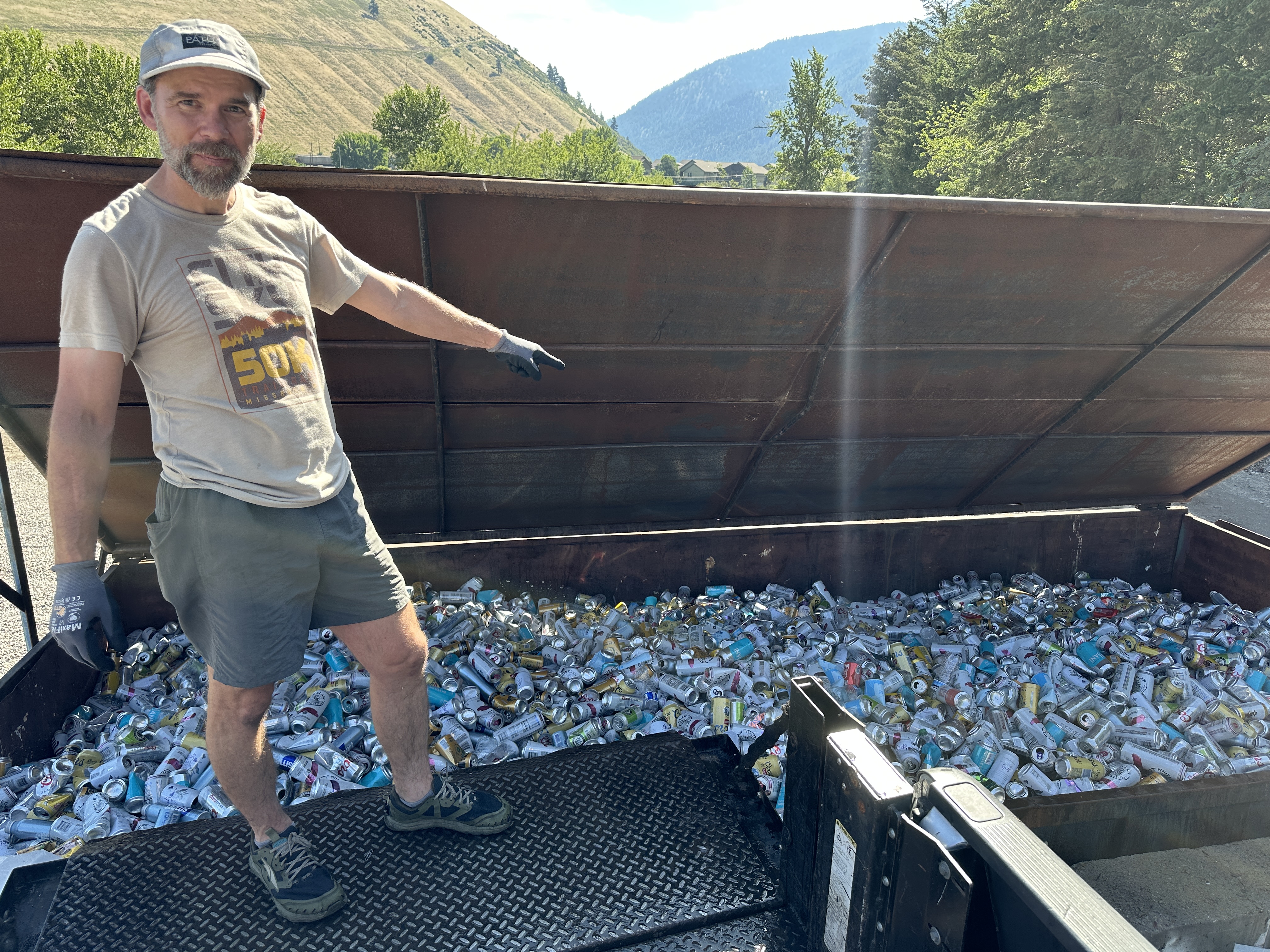
We launched a behavior-change campaign in the University Center to improve waste sorting through better bin infrastructure, signage, and education. Replacing 8 standalone trash cans with 3 centralized zero waste stations TRIPLED compost collection, while reducing contamination. The project shows how infrastructure and education can improve diversion rates.
Compost bins were added to Jeannette Rankin Hall and 3 new stations were added to the UC Commons. The SRC and PARTV are now composting paper towels from restroom facilities. Composting continues at Lewis & Clark. During the Lodge Dining Hall’s first year of operation, 450,000 lbs of food waste were diverted from the landfill.
Food & Dining
UM Dining’s Iron Griz Garden continues to model farm-to-table at UM. This year it produced more than 4,500 pounds of hyper-local food for campus dining, reducing transportation emissions associated with food procurement. Through regenerative practices such as cover cropping, composting, and minimal soil disturbance, the garden also supports carbon sequestration and improves soil health.
Research & Academics
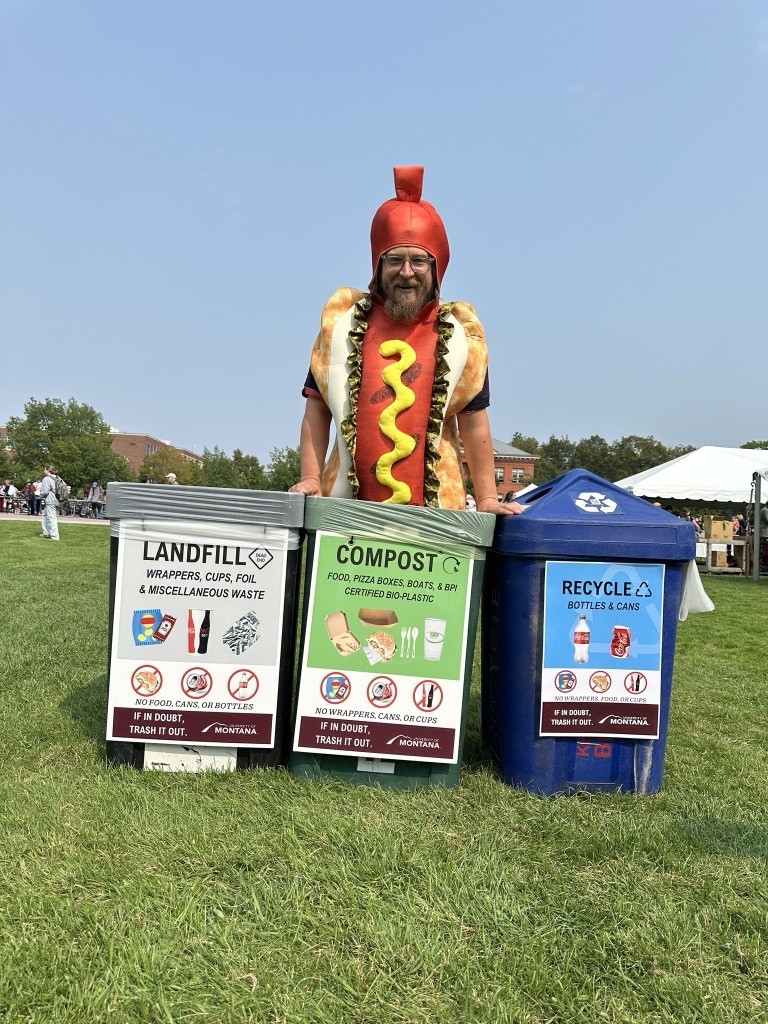
The Green Lab Program wrapped up its first full year of with 11 participating labs including two large, shared facilities. To better manage and reduce lab plastic, participating labs collected and tracked the use of plastics and nitrile gloves.
The program sends these materials to Terracycle for recycling, inventories ultra low temp freezers for improved efficiency and replacement, and shares sustainability resources via the Office of Sponsored Programs newsletter.
OoS intern Zoe Belinda performed a sustainability literacy assessment of over 500 first-year honors students at UM. This study revealed an overall low average sustainability literacy of students, with higher scores from those in a sustainability-related field of study. These results were indicative of a need for standardized sustainability education frameworks, which were workshopped in a draft syllabus for a "sustainability for all" course.
Kless Sustainability Fund
The Kless Committee awarded $61,687 towards campus sustainability projects in the 2025-26 school year. This funding includes over $10k in water bottle fillers across 5 buildings, rebates for ultra-low temperature freezers, and new smart metering in Turner Hall.
Funded student projects include:
- Bird strike prevention window decals for the Education building
- Native landscaping outside Eck Hall
- Garden beds for the ASUM Preschool
- Recycling boxes for Green Labs
- Career Closet infrastructure
- Bear-Safe composters at UM FLAT
- Battery-powered leaf blowers
Student & Employee Engagement
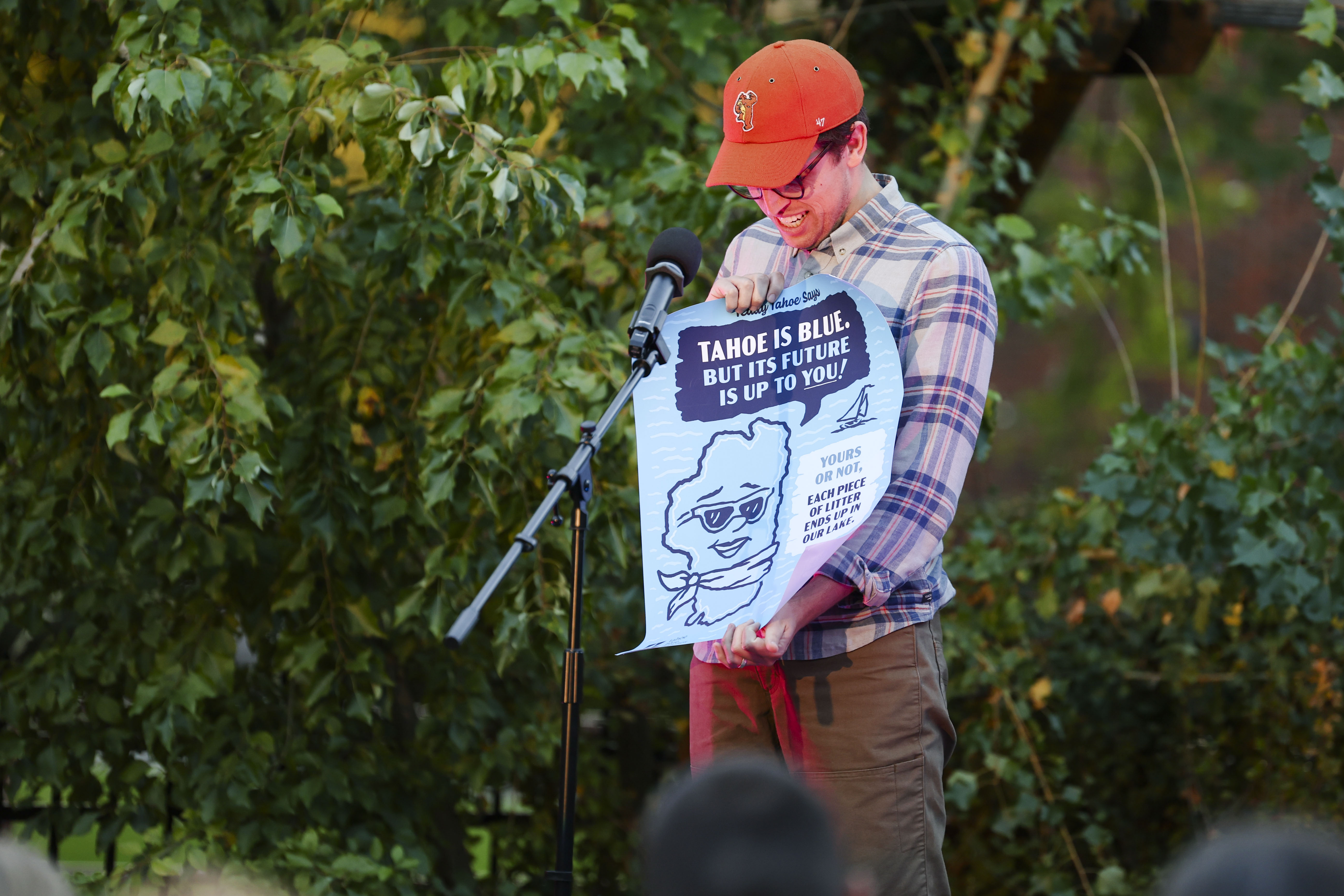
The 2025 Sustainability Slam in October showcased 20 speakers from campus and the Missoula community to share stories and reflections on what sustainability means to them.
Co-hosted with OOLD, two AI-focused workshops explored the environmental, economic, and social impacts of AI while helping attendees develop principles for more mindful use of AI in their work.
Career Closet Pop-Ups expanded access to free professional clothing for students while supporting affordability, reuse, and waste reduction.
Transportation
 Our efforts to address scope 3 GHG emissions from vehicle commuting continues! The Carbon Neutral Commuter program had 45 members for the second year in a row. Member contributions allowed us to offset 45 MTeCO2 with help from the Well Done Foundation and their orphan well capping program. In an effort to better understand if remote parking for resident students encouraged sustainable commuting, the OoS surveyed permit holders during the fall semester. Surprisingly, having less convenient access to a vehicle did not seem to influence student use of bikes or public transit.
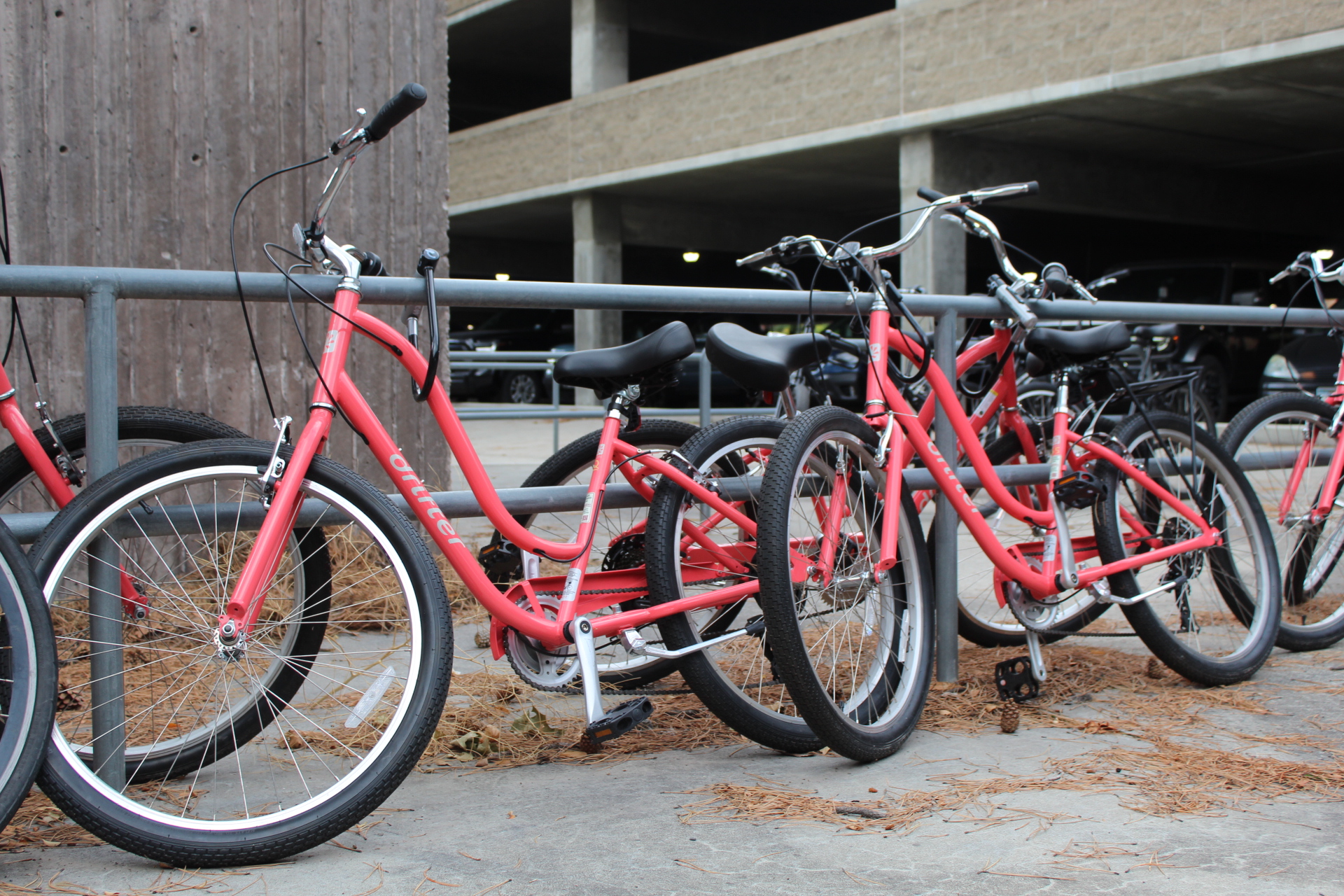
ASUM Transportation launched the pilot phase of the Car-Free Pledge Program, providing a dozen students with free bike rentals.
UDASH route reconfiguration saw a 24% reduction in both fuel types (diesel and electricity) while ridership trends remained constant, achieving greater operational efficiency and meeting transportation demands in core geographical zones.
Infrastructure & Energy
With support from the Heart of the Rockies Initiative through a $38,000 grant, UM continued securing bear attractants through new dumpster enclosures at South Campus apartments and signage on main campus trash containers and enclosures.
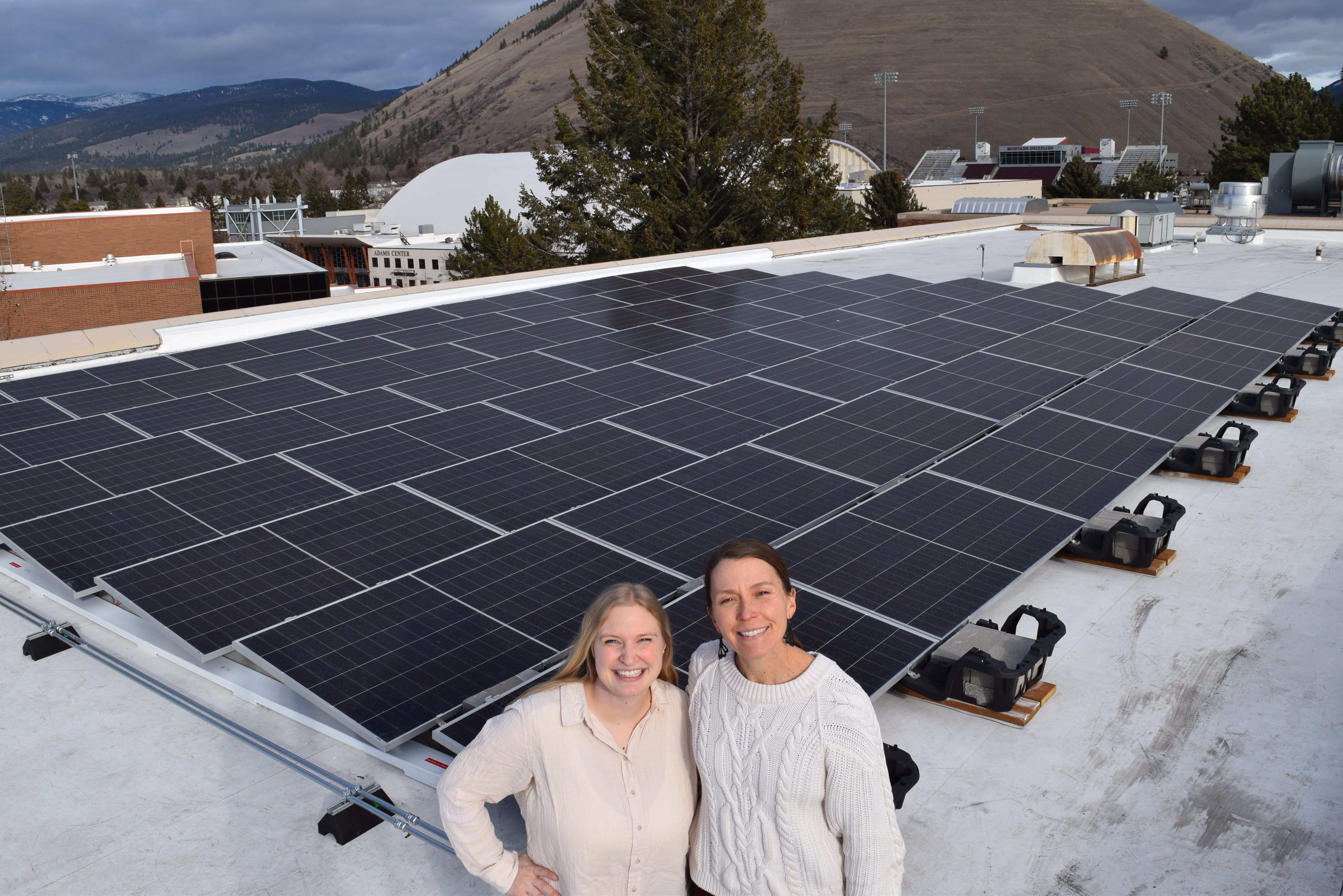
Installed in winter 2025, the Phyllis J Washington Education Building solar arrays were funded by a $250,000 Kless Sustainability Fund grant and IRA solar rebate support. The 125.08 kW system includes 236 panels and is expected to generate about 149,660 kWh annually, avoiding roughly 108 metric tons of CO₂ each year.
Alongside MSU, UM worked with a tax consulting firm in 2025–26 to submit several energy projects for IRA direct payments, including geothermal systems at the MMAC and Lodge, an EV charging station at the Lodge, additional solar on Eck Hall, and the Combined Heat & Power plant. Together, these projects are eligible for more than $5 million in tax credits thanks to the Inflation Reduction Act.
Facilities Services continued a cost-neutral transition from CFL to LED lighting across campus, installing more than 3,300 LED lamps, earning over $13,000 in rebates, and cutting energy use by 50% for each bulb replaced.