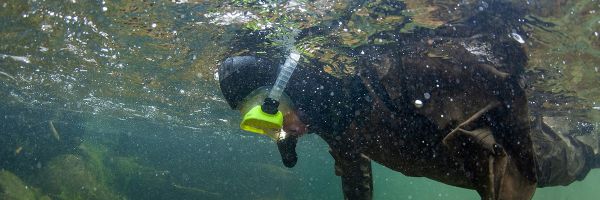
Study Wildlife Biology – Aquatic – at the University of Montana
The Aquatic concentration of the Wildlife Biology B.S. at the University of Montana is an award-winning program built around the science of fish, amphibians, and invertebrates — and the freshwater ecosystems they depend on. Students develop expertise in fisheries biology, field techniques, stream ecology, aquatic habitat management, and population dynamics, with learning that extends from the classroom to field sites across Montana. The curriculum also covers natural resource policy, strategic communication, and applied conservation — preparing graduates to manage and conserve aquatic species across dynamic landscapes. UM's wildlife biology program is nationally ranked, and nearly all graduates find careers in fish and wildlife or related fields.
FAQs
-
The program covers aquatic ecosystems with a focus on fish, amphibians, and invertebrates. Students learn fisheries biology and science, field techniques, stream ecology, aquatic habitat management, and population dynamics — in the classroom and through fieldwork and internships across Montana. Coursework also includes water and natural resource policy and strategic communication.
-
Students interested in the technical knowledge and science behind fisheries management, freshwater conservation, and aquatic ecosystems. Strong science skills — especially biology and chemistry — plus math and an enthusiasm for fieldwork are important. The program suits students passionate about conserving fisheries and the aquatic ecosystems that support them.
-
Graduates work as fisheries biologists, aquatic ecologists, habitat restoration specialists, resource managers, and conservation officers across government, nonprofit, and private sectors. UM's wildlife biology program is nationally top-ranked, and nearly all graduates find careers in fish and wildlife or closely related fields.
Jump To
2nd
oldest wildlife biology program in the country, founded in 1936
450
peer-reviewed scientific publications published by faculty and students in the past three years
44
states represented by wildlife biology students
What Can You Do With a Wildlife Biology Degree?
Earn your degree in wildlife biology at the University of Montana and prepare to take a leading role in the study, management, and conservation of fish and wildlife. Our graduates are sought after by employers around the world and enjoy high job placement rates.
This is a degree that you can use to make a difference, and our alumni have gone on to influential roles in science and policy, such as overseeing large-scale species conservation efforts or directing the conservation efforts of governmental agencies and NGOs.
Wildlife Biology Jobs
This program prepares you for a variety of wildlife and aquatic biology jobs including:
- Fisheries and/or wildlife biologist
- Fish and wildlife conservation officer
- Fisheries/aquatic program managers
- Fisheries researcher
- Fisheries and/or wildlife technician
- Fish hatchery technician or manager
Wildlife Biology Salaries
Zoologists and wildlife biologists earn an average of $63,270 per year nationally, based on recent data from the U.S. Bureau of Labor Statistics. The average annual income for this occupation in Montana is $66,870.
According to the Economic Research Institute, the average aquatic biology salary in the United States is $77,496.
Study Wildlife Conservation at the University of Montana
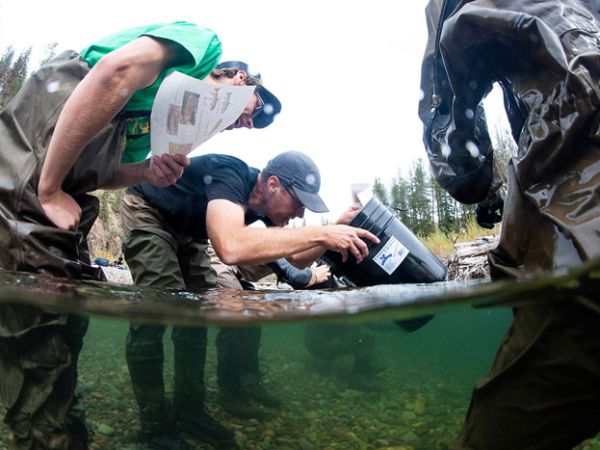
Fisheries In the Field
Experiential Learning in the Wildlife Biology Degree
Make the world your classroom at the University of Montana. Our field-based learning opportunities in the heart of the Rocky Mountain West help make UM one of the best schools for wildlife biology in the nation.
Field Courses and Internships for Aquatic Wildlife Biology Majors
As an aquatic wildlife biology major, you’ll have the option to work with the Clark Fork Coalition — an organization focused on the restoration and enhancement of the Clark Fork River and connecting the three major rivers in Missoula with the community.
You’ll have opportunities to connect with non-governmental organizations (NGOs) such as Trout Unlimited to advance river restoration and native fish conservation throughout western Montana. Many of our students also take summer field courses and internships at UM’s Flathead Lake Biological Station.
All wildlife biology majors are required to complete an internship and at least two credits of hands-on experience. Your faculty mentor will work with you to find opportunities that meet your needs. Find more resources to help with internships and jobs.
Study Wildlife Biology Abroad
Immerse yourself in new cultures while addressing environmental and conservation issues around the globe. Majors in wildlife biology at UM qualify for Franke Sustainability Fellowships, which fund international research and education focused on sustainability. Learn more about study abroad opportunities at the University of Montana.
Undergraduate Research in Aquatic Wildlife Biology
In the past three years, our faculty and students have published more than 450 peer-reviewed scientific publications, making us one of the top-ranked colleges for wildlife biology in the nation. Opportunities for undergraduate research in wildlife biology include both paid and volunteer roles that typically involve working with faculty, wildlife conservation agencies, and NGOs. Explore undergraduate research opportunities at UM.
Wildlife Biology Facilities and Labs
UM is home to specialized conservation genetics labs such as the National Genomics Center for Fish and Wildlife Conservation. We have 25,000 acres of land managed for student and faculty research and learning, including Lubrecht Experimental Forest. We live and work at the confluence of the historic Blackfoot, Clark Fork, and Bitterroot rivers. Our majors in wildlife biology also use remote field cameras, GPS and satellite transmitters, radio telemetry equipment, snorkeling equipment, and various techniques to sample fish in streams and lakes, as well as computing systems that enable advanced spatial and statistical analyses.
Career Development in the Wildlife Biology Program
At the Franke College of Forestry and Conservation, 97% of our alumni are employed or pursuing graduate study in their fields. We are dedicated to your success — while you’re here at the university, and when it’s time to start your career. In addition to being internationally renowned researchers and scientists, our faculty are dedicated and accessible teachers who are here to mentor and provide individualized support, in a wildlife biology program distinguished by its strong sense of community.
Student Organizations for Wildlife Biology Majors
Build your professional network, sharpen career skills and make new friends through student organizations at UM, including the American Fisheries Society and The Wildlife Society. Learn more about student organizations in the wildlife biology bachelor’s degree program.
Wildlife Biology Scholarships
We offer a number of scholarships specific to the wildlife biology program. Wildlife biology majors also qualify for Franke College of Forestry and Conservation scholarships, which complement other scholarships and financial aid opportunities awarded at UM.
Aquatic Wildlife Biology Curriculum
The aquatic concentration of the bachelor’s degree in wildlife biology covers the basics of biological sciences in the first two years, followed by courses in watershed hydrology, freshwater ecology, fish biology, and fisheries during the junior and senior years. Classroom lessons are complemented by diverse real-world experiences working on aquatic or fisheries-related research and management projects.
View all classes for the bachelor’s in wildlife biology with the aquatic concentration.