About MFCES
The Montana Forest Conservation Experiment Station (MFCES) was established in 1937 to advance forest management and conservation research, beginning on lands donated by the Anaconda Mining Company. In 1939, Lubrecht Forest expanded by 1,200 acres, thanks to a donation from the Northern Pacific Railroad Company. The collection of forest parcels, now known as Lubrecht Experimental Forest, honors W.C. Lubrecht, the general manager of the Anaconda Company lumber operations, who played a crucial role in founding the MFCES. The MFCES also manages Bandy Ranch, generously donated by Ed Bandy in 1990, and has also evolved over more recent times to have a statewide mission, in which faculty, students, and staff engage in a variety of ways.
Lubrecht Experimental Forest
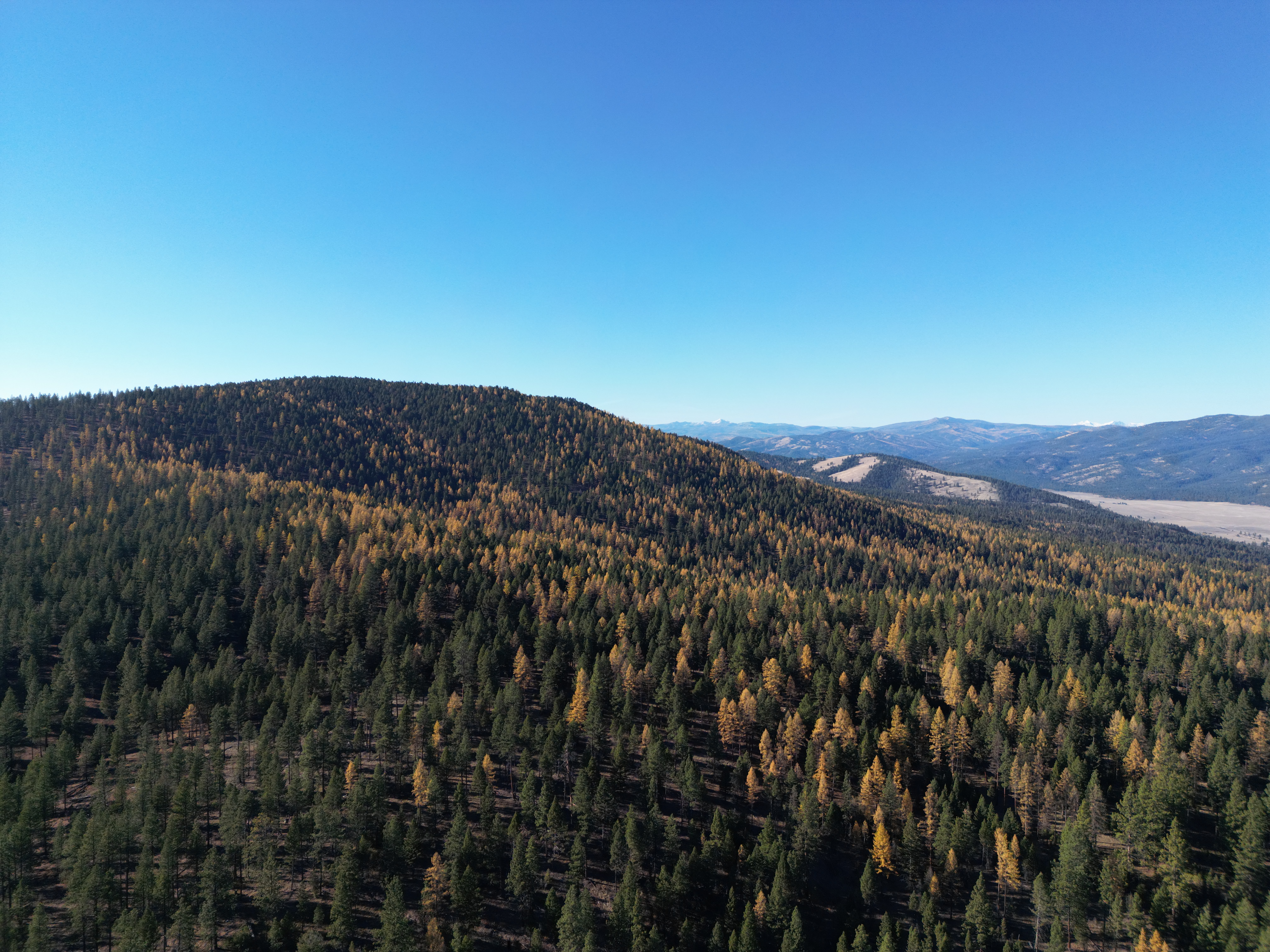
The ~21000 acres (~8500 ha) of Lubrecht Experimental Forest, located approximately 35 miles (~55 km) northeast of Missoula, Montana, were consolidated beginning in 1937 to serve as a vital research and education site for forest management and ecology. Lubrecht is owned by the State of Montana and managed by the Montana Forest and Conservation Experiment Station which is headquartered in the W.A. Franke College of Forestry and Conservation of the University of Montana. Focused research at Lubrecht began in earnest around 1950 and has produced substantial contributions in silviculture and forestry practices, soil science and geology, wildlife biology, climatology, and the use and outcomes of prescribed fire for forest restoration and fuels management.
Bandy Ranch
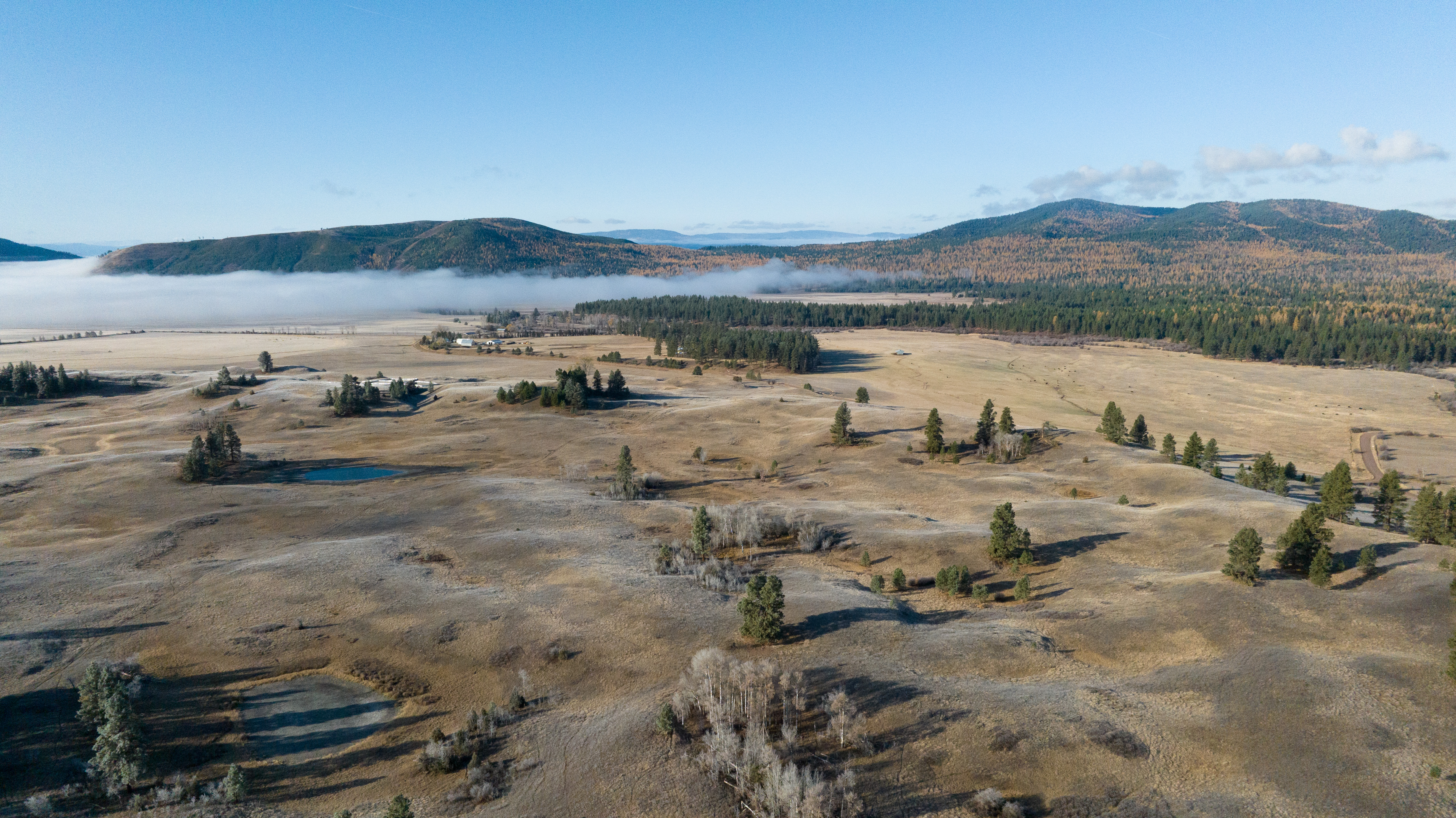
Bandy Ranch is a 3,596-acre working cattle ranch in Powell County, Montana, northwest of Ovando and adjacent to Upsata Lake and the Blackfoot-Clearwater Wildlife Management Area. It was deeded to the Montana Forest and Conservation Experiment Station at the University of Montana in 1990 by Edward Bandy’s estate for research and land management. Originally part of a 1,620-acre purchase by Charles Jakways in 1896, it was later acquired by Edward and Mrs. Bandy in 1916. Edward Jr. expanded the ranch and operated a Hereford cow-calf business. A noted conservationist and member of the North Powell Conservation District, he was recognized in 1963 for his environmental leadership and donated the ranch to the University upon his death in 1989.
Bandy Ranch is situated in a forest-prairie ecotone shaped by glacial activity, with glacial till, kettle and knob terrain, native prairie, wetlands, and mixed forests of larch, pine, and Douglas-fir. Two creeks—Shanley and Cottonwood—flow through the property, supporting native cutthroat trout. The ranch provides critical habitat for a wide range of species, including nesting and summer grounds for greater sandhill cranes, and seasonal use by elk, black and grizzly bears, wolves, and reintroduced trumpeter swans. Its ecological significance is safeguarded by conservation easements held by federal and nonprofit agencies.