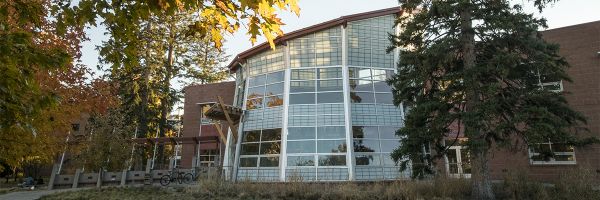
Over the past several years the Ethnobotany Garden staff and interns have developed a small plot specifically designed for berries and berry like fruit. This plot is located on the west side of the Payne Family Native American Center. Here, visitors will find a small variety of native and non-native herbs and shrubs that all bear fleshy fruits! This plot is still being developed and is growing as we learn about which plants will flourish at the enthnobotanical gardens. To explore the different species with berries or berry like fruits navigate through the tabs below.
-
A
-
C
Cratageus douglasii
- Common name: Hawthorn
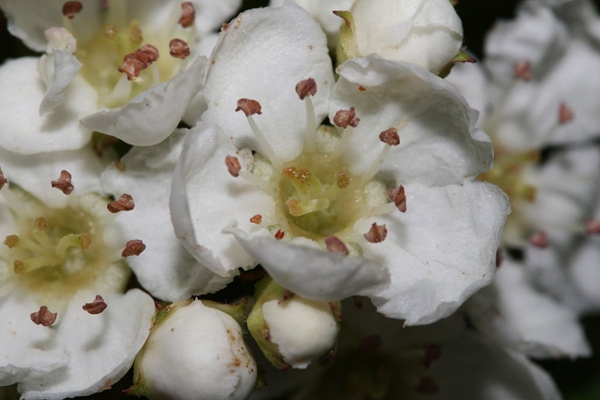
Cratageus douglassi is a North American species that is commonly found in diverse habitats but flourishes in wet climates like the North West. Hawthorns produce fruits that are called pomes. Hawthorn pomes are eaten to strengthen the heart, and to thin the blood. The bark is used as an anti-inflammatory, and alleviates digestive ails. The wood is fashioned into diggings sticks and handles for tools. The Bark and shoots are burned and mixed with ashes and grease to create face paint.
-
E
F
Fragaria vesca or Fragaria virginia
Common name: wild strawberry, woodland strawberry
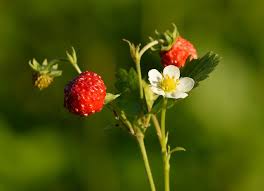
Fragaria vesca is commonly found in disturbed areas along roadsides but is also found in woodland edges and clearing. The wild strawberry is tolerant to a variety of sun and moisture levels depending on its region. The leaves usually grow in groups of three and have dentate margins. The white, five-petaled flower blooms in the early spring and bears an aggregate fruit that was a dietary staple for many Montana tribes. The leaves of the plant are an important source of food for wildlife.
-
H
-
K
-
M
-
O
P
Prunus virginiana
- Common name: Choke Cherry
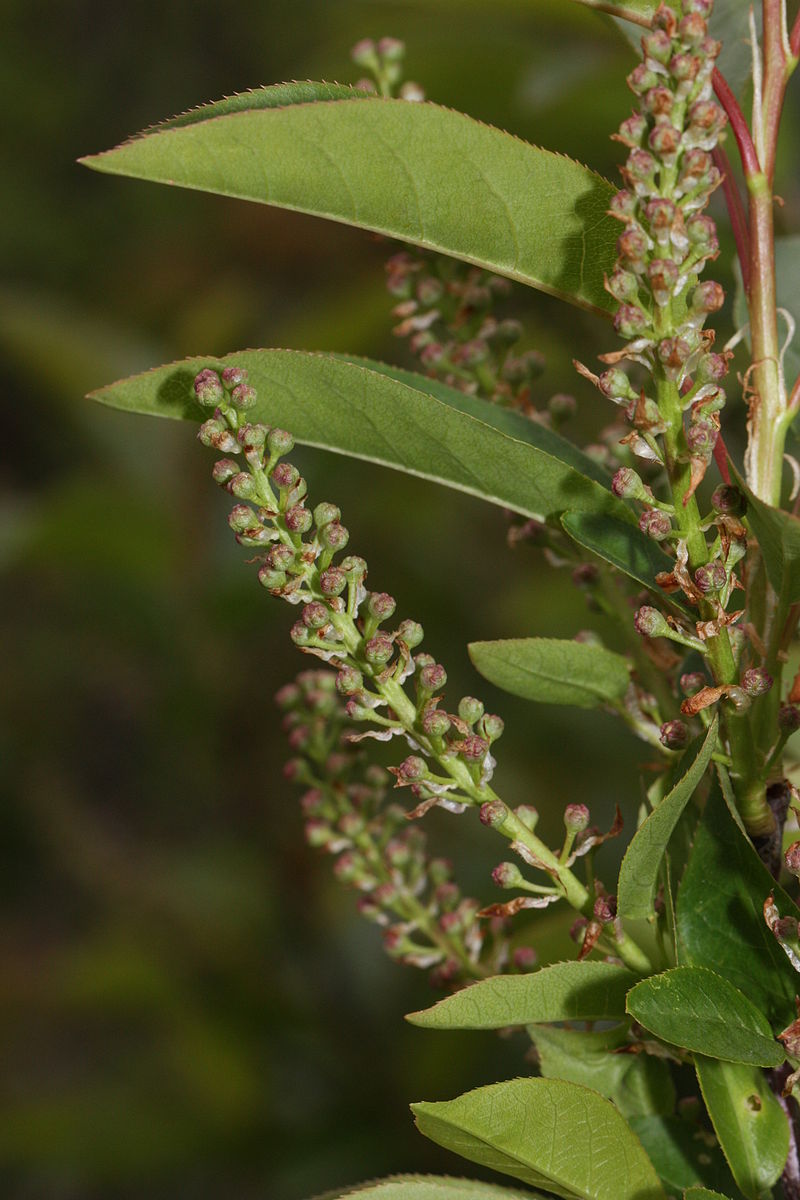
Chokecherry is a North American native, perennial, woody shrub or small tree from the Rosaceae (Rose) family. It’s leaves are dark green and glossy above and paler beneath. It has perfect flowers which are aromatic and arranged in cylindrical racemes 3 to 6 inches long. This shrub or small fruit tree grows to 20 feet in height and is primarily used today as a food product that makes fine preserves, juice, jelly, and syrup. Chokecherry occurs naturally in a wide range of soil types and textures. It was used by Native Americans to make pemmican, mixed with elk, deer meat, and fat back which served as traveling rations as well as everyday food.
-
R
Ribes aureum
- Common name: Golden Currant
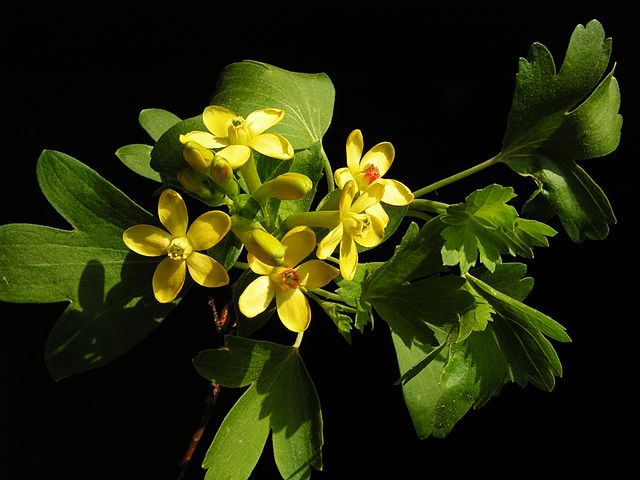
Ribes aureum is native to most of the United States and Canada. This shrub has green leaves that often turn red during the fall and blooms golden yellow flowers that turn into currants. Both the currant and flower are edible, however they are not usually eaten raw. For Montana tribes the fruit of the Golden Currant was a diet staple.
Rubus strigosus
- Common name: American Red Raspberry
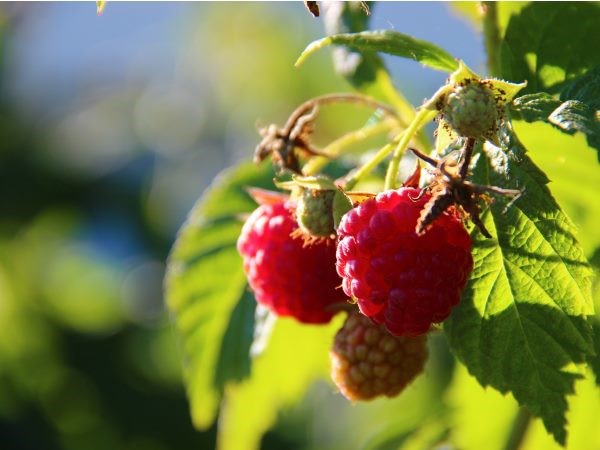
Rubus strigosus or commonly known as Red Raspbery is native to a greater part of North America and is often found in shaded and wet habitats such as bogs and woods as well as in dry slopes and clearings. In the summer the plant will bloom a white flower that will bear a red, edible fruit. Montana tribes often dried the fruits for eating and used the roots to make an astringent or to make a tonic for circulation.
Rubus parviflorus
- Common name: Thimble Berry

The thimbleberry is native to North America and can be found in disturbed areas such as roadsides and railroad tracks, but also in forest understory or clearings. The plant has no prickles and large palmate leaves. The flowers are white with 5 petals and many stamens. The fruit of the thimble berry is an aggregate of drupes that ripens in the late summer. Leaves were commonly used as natural toilet paper and the berries were used as dyes and eaten as foods and pulmonary aids in tribes across Montana.
S
Sambucus racemosa
- Common name: Red Elderberry
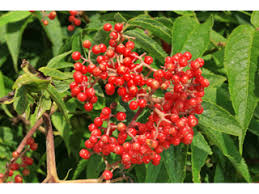
Sambucus racemosa is a large shrub that is native across Europe, Asia and North America. The shade tolerant shrub blooms white flowers in May and June that turn into red berries. Red Elderberries are known to be toxic and often result in upset stomachs, however, some tribes made jams with the berries.
Sherpherdia argentea
- Common name: Buffalo Berry
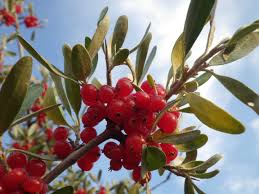
Shepherdia argentea is a cold and drought tolerant shurb that is native North America. It is often found in grasslands, plains and riparian habitats. Over time, the shrub may become tree like and blooms white and yellow flowers in early summer. The flowers bear football shaped fruits that are edible but sour.
-
T
-
Y