2026: Clare Boerigter
"Accelerating science into action in fire-adapted wilderness ecosystems: Discerning lessons learned and best practices to support prescribed fire in wilderness"
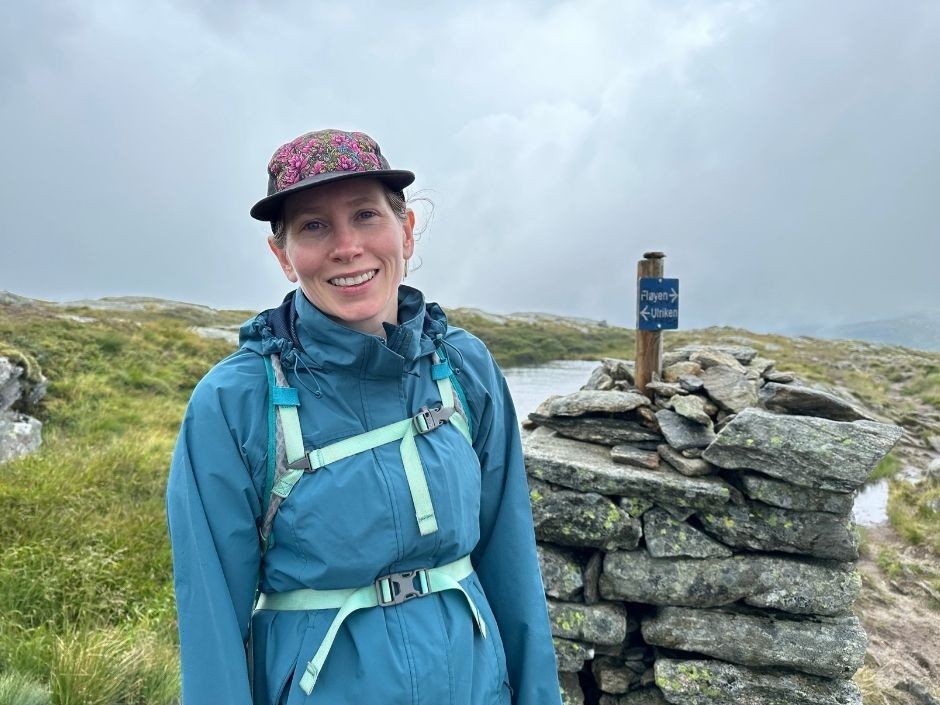 Clare is currently an MS student in the Forest Management program. From 2023-2026, she was the Wilderness Fire Research Fellow (ORISE) for the Aldo Leopold Wilderness Research Institute, part of the Rocky Mountain Research Station, USDA Forest Service. In this role, Clare led two peer-reviewed publications focused on wilderness fire. Clare holds an MFA in Creative Writing (Nonfiction) from the University of Minnesota (2021), an MA in International Education from the Universidad de Alcalá in Spain (2017) and a BA in Spanish from Grinnell College (2014). Clare worked as a wildland firefighter for the Forest Service during the 2012, 2013, and 2015 fire seasons; her fire memoir Wild Light: Notes from the Safest, Most Dangerous Places is forthcoming from Beacon Press in summer 2027.
Under the 1964 Wilderness Act, federal staff are tasked with protecting America’s wilderness areas for present and future generations, a nuanced charge that involves carefully considering a number of wilderness values. In particular, federal staff are asked to weigh humility and restraint(i.e., the untrammeled quality) with the preservation of ecological conditions (i.e., the natural quality), which at times may necessitate some management. This has never been an easy task, but rapid environmental change and increasing recognition of Indigenous relationships to wilderness landscapes, including the influence of stewardship practices such as cultural burning, has introduced even greater complexity. This is especially true for human-ignited fire. Widespread fire exclusion compounded by climate change has induced far-reaching, negative effects within fire-adapted ecosystems across North America, including within some wilderness areas. Prescribed fire has been identified as a tool that can mitigate a number of these effects. Yet, while prescribed fire is not prohibited by the Wilderness Act and is allowed under current federal wilderness policy, its use remains challenging in wilderness.
Clare’s project seeks to support federal staff who have determined that prescribed fire is the minimum action necessary to administer their wilderness area, yet may be uncertain about how to overcome challenges to its implementation. Through a qualitative study relying on interviews with federal wilderness staff, Indigenous rights holders, gateway community members, non-profits and others, Clare aims to better understand common challenges to wilderness prescribed fire and pathways for navigating them. She will share findings such as lessons learned, best practices and place-specific examples through a manager-oriented guidebook, a public-facing StoryMap and a peer reviewed journal article.
2025: Adalyn Vergara
"Reeling in perspectives: Anglers, Wilderness, and the future of Montana’s fisheries"
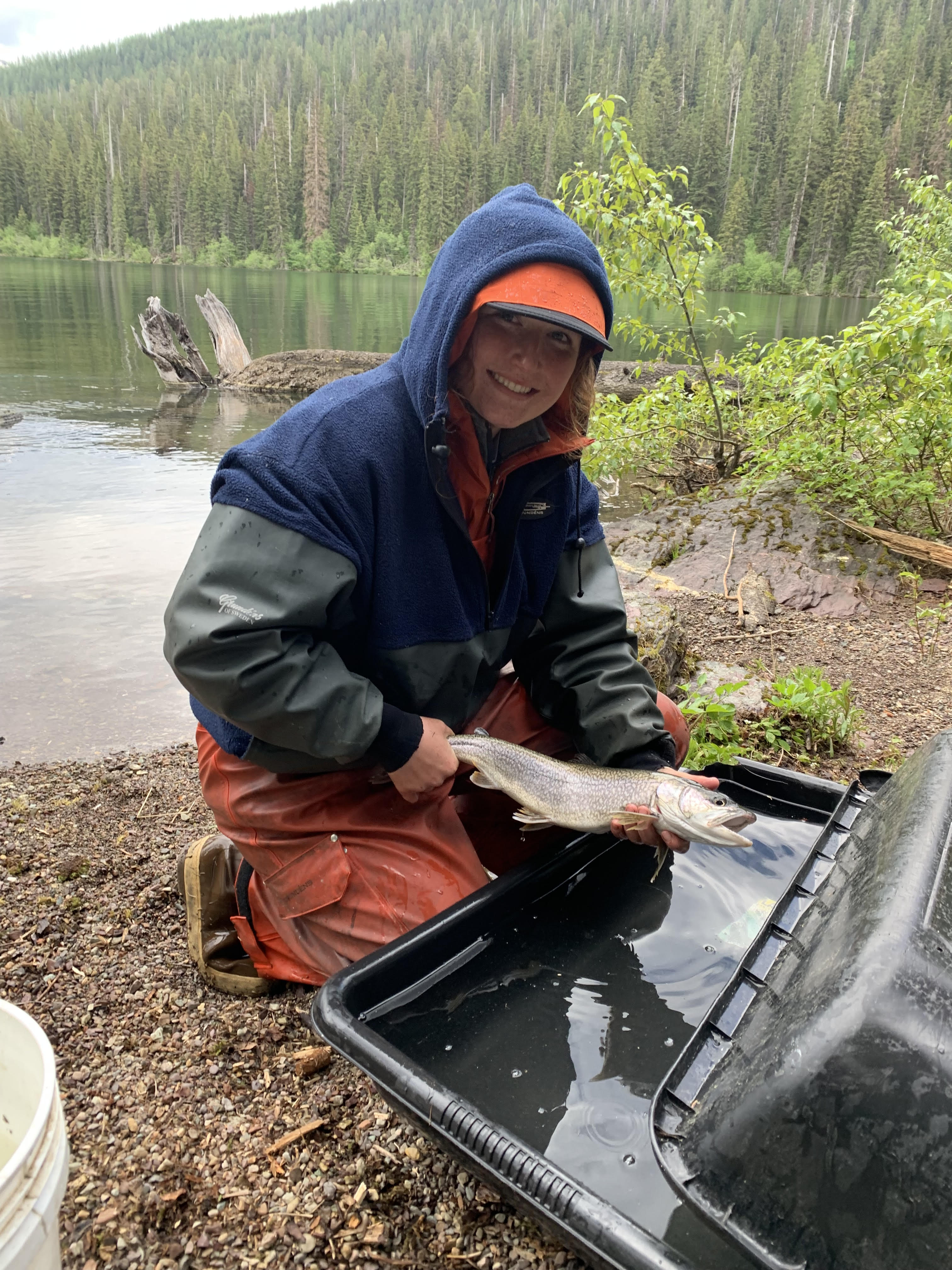 As a PhD student studying outdoor recreation and wilderness management and having received a dual B.S. in Wildlife and Fisheries Biology and Management and Environment and Natural Resources, Adalyn is striving to help bridge the gap between natural and social sciences. Growing up in Colorado with the Rocky Mountains as her backyard, she quickly became enthralled with the natural environment as well as the people who recreated within it. More specifically, she holds great pride as a woman angler and translates this identity into her drive to uphold the rivers and fisheries across the wilderness areas of Montana. Her academic and professional endeavors are all in pursuit of understanding the human dimensions of fisheries and empowering recreationists to embrace their role as conservation stewards.
Fisheries management in wilderness is becoming increasingly complex due to climate change and increased visitor use, requiring a challenging balance of wilderness character trade-offs, set against a background of maintaining healthy fisheries that are accessible to recreational anglers. Proposed actions including fish stocking and removal run counter to the untrammeled quality of wilderness yet help preserve natural qualities and opportunities for primitive recreation. While wilderness-administering agencies and various advocacy organizations litigate proposed actions situated along these trade-offs, angler attitudes and perspectives on management actions—and their impact on their recreational pursuits and perceptions of wilderness qualities—remain unexplored. This gap in understanding is critically important, as wilderness character is an inherently human construct, and thus, successfully navigating the trade-offs between the various dimensions of wilderness character requires the input of the wilderness visitor.
Thus, in her project, Adalyn will embrace a field-based study conducting interviews with recreational anglers in the Selway-Bitterroot and Scapegoat Wildernesses. Her goal is to better understand the complex attitudes and values anglers hold toward these increasingly frequent wilderness trade-offs presented across management actions. This study seeks to build understanding concerning the antecedent conditions which underlie anglers’ values concerning natural and untrammeled conditions and how it may impact their willingness to engage in recreational opportunities while prioritizing stewardship of the water and fish. Using the photos and stories she collects through her interviews, Adalyn aims to provide managers with vital data to help guide future fisheries decision-making.
2024: Josh Beisel
"Post-fire tree regeneration in subalpine forests: Implications for whitebark pine and wilderness"
 Hailing from Western Washington, Josh is a PhD student in the Systems Ecology program at the end of his second year. He earned his bachelor’s degree in biology from Occidental College in 2020 and has several seasons of work experience with the US Forest Service and National Park Service. His research interests include fire ecology, ecological forestry, dendrochronology, and global change impacts on forested systems, especially regarding the future of whitebark pine (Pinus albicaulis; WBP). When not doing fieldwork or measuring tree cores, he enjoys hiking, backcountry snowboarding, and cooking new recipes.
Whitebark pine populations have been in stark decline for decades and continue to face myriad threats. Half of all US WBP habitat is within congressionally designated wilderness, and future habitat under climate change is increasingly concentrated in wilderness. The recent designation of whitebark as Threatened under the Endangered Species Act underscores the need to fill knowledge gaps regarding its ecology, including how populations respond to climate change and shifting fire regimes. As an integral piece of high-elevation ecosystems in the Western US, the absence of WBP would constitute a significant ecological and cultural loss. A more comprehensive understanding of outcomes after fire in whitebark pine ecosystems will be necessary to ensure the persistence of WBP into the future.
Josh plans to leverage a dataset he collected in the high-elevation portions of the Selway-Bitterroot Wilderness to explore questions related to post-fire regeneration dynamics across the elevational range of WBP. The results of this project will provide knowledge supporting federal wilderness managers in making informed decisions regarding future trajectories of burned high-elevation forests.
2023: Brenna Cassidy
"Do wilderness areas provide refugia for wolves from human harvest?"
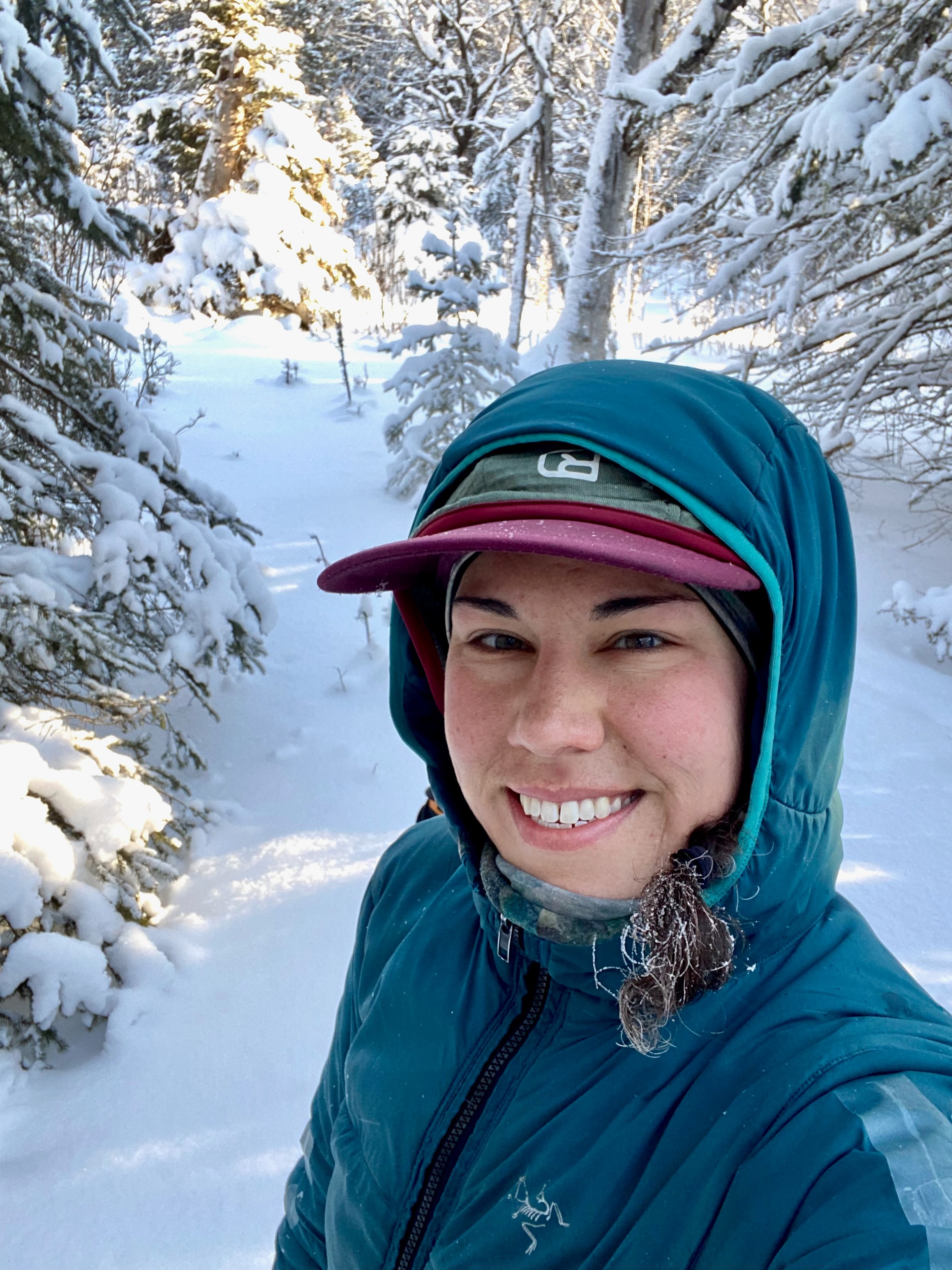 Brenna is from northern Illinois where her curiosity for the natural world grew in oak forests and tall grass prairies. She completed a degree in wildlife ecology at the University of Wisconsin-Stevens Point and spent summers during her undergrad in northern Wisconsin or Yellowstone National Park. After graduating in 2012, she returned to Yellowstone and worked on projects studying wolves, birds and cougars. She started at University of Montana in 2018. Her PhD research examines factors driving survival and population regulation of gray wolves in Yellowstone. Outside work, she can usually be found trail running, skiing, mountain biking or in the pottery studio.
Federally designated wilderness areas are often thought of as completely protected against human impact. However, wilderness areas are not immune to human influence. Even in the 22-million-acre Greater Yellowstone Ecosystem (GYE), effects of climate and land use change are quickly being realized. The heart of the GYE is Yellowstone National Park (YNP), which contains 2 million acres of recommended wilderness area, that while not officially designated, are managed as such to maintain their wilderness character.
Transboundary ecosystem management of wilderness areas is fraught with difficulty especially for charismatic, yet controversial, species such as gray wolves. Perhaps no species epitomizes wilderness better than the wolf, and yet, even in the GYE they face challenges. Since reintroduction in the mid-1990s, wolves have restored critical ecological processes, yet faced increasing harvest in the last 12 years in adjacent areas of Montana, Wyoming, and Idaho.
Protection afforded by wilderness areas to wolf population viability and the ecosystem function of wolves are at risk. Across North America, there are clear patterns of higher wolf survival in wilderness areas than non-wilderness, and loss of ecosystem processes such as trophic cascades. Therefore, the ecological function of wilderness areas, and the viability of wolves, could be under threat.
Using 26 years of wolf survival data, she will answer the question: Do wilderness areas provide refugia for wolves from human harvest by acting as buffer zones? Ultimately, the goal of her science is to help inform future GYE wolf hunting regulation decisions of the role wilderness areas.
Brenna published her findings that hunting and trapping of wolves that range outside Yellowstone National Park reduced overall wolf survival through additive mortality, highlighting the importance of coordinated management and limited harvest zones around protected areas to conserve large carnivores:
Cassidy, B., Smith, D. W., Cassidy, K., Stahler, D., & Hebblewhite, M. (2024). Harvest of transboundary grey wolves from Yellowstone National Park is largely additive. Journal of Applied Ecology, 61, 2180–2193. https://doi.org/10.1111/1365-2664.14720.