Project Leads
Kay Hajek
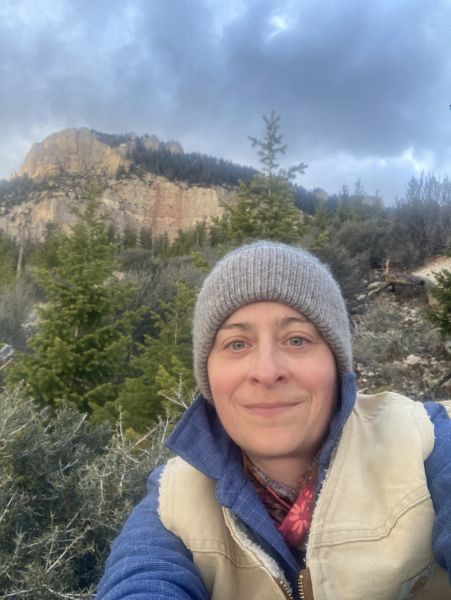
Kay Hajek is the Director of the OCRMW. Kay is a plant ecologist with experience and interest in research, land management, conservation and education.
Contact at: karyn.hajek@mso.umt.edu
Matthew Trentman
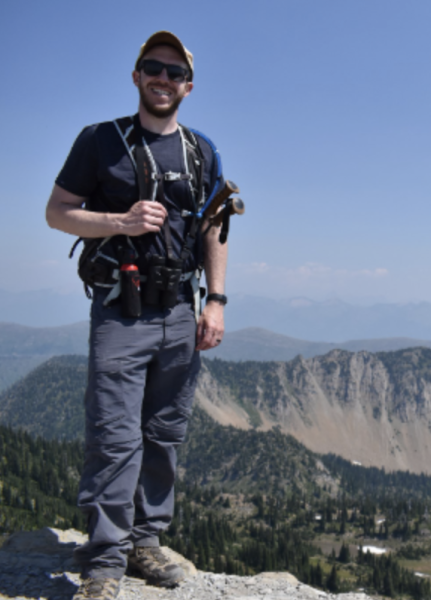
Matthew Trentman is the Associate Director of OCRMW. Matt is an aquatic ecologist with more than 10 years of experience monitoring streams and using monitoring data to inform land management decisions.
Contact at: matthew.trentman@mso.umt.edu
Jennifer Jones
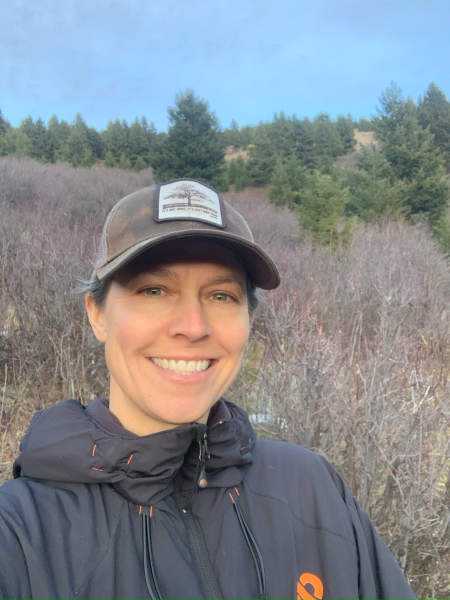
Jennifer Jones is a Project Manager with the OCRMW. Jennifer is a wetland and vegetation ecologist who oversees wetland and riparian-related projects and field work with Federal and State partners.
Contact at: jennifer5.jones@mso.umt.edu
Staff
-
Andrew Britton is an Ecologist and Crew Manager for the Lotic AIM project. Since joining the program as a field technician in the summer of 2019, Andrew has taken on various roles including Crew Lead, Crew Manager, Wetland Mapper, and Data Specialist. He enjoys the adventure and challenges associated with field data collection and is interested in applying field data from riverine systems to inform effective management decisions on public lands. He earned his B.S. in Biology from John Carroll University and plans to pursue graduate studies in stream ecology. Outside of work, Andrew enjoys golfing, fly fishing, and rafting on warm summer days and spends winters skiing or snowboarding in the mountains.
-
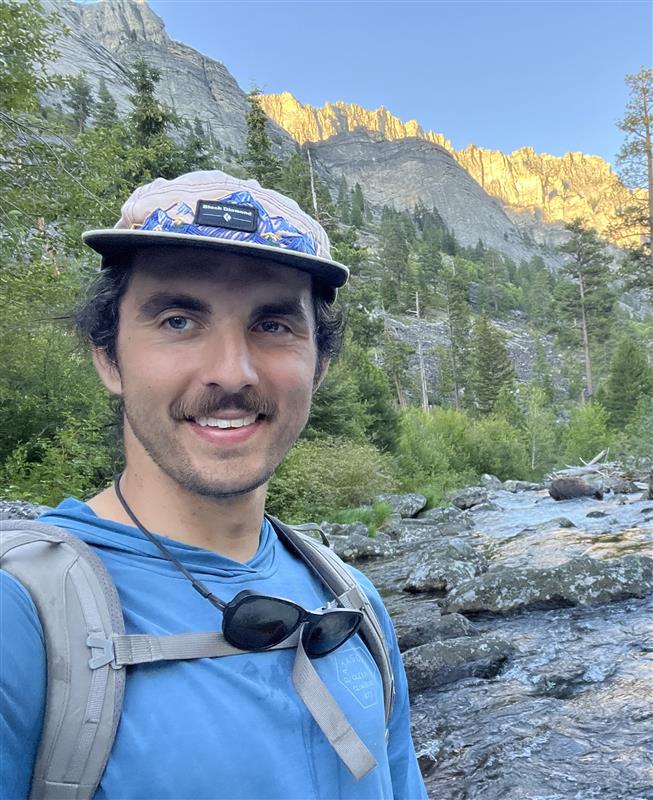
Brian is an Aquatic Ecologist and Crew Manager with the Lotic AIM program. He holds a B.S. in Environmental Science from The Ohio State University and an M.S. in Aquatic Entomology from Virginia Tech, where his research focused on using multivariate techniques to describe spatiotemporal changes in aquatic macroinvertebrate communities.
Brian first worked with the O’Connor Center in 2021 on a lotic crew in Elko, Nevada, and returned in 2022 with the Idaho project based in Salmon. After completing his graduate studies, he rejoined the O’Connor Center in the summer of 2025 as a Crew Manager. In addition to overseeing field data collection and management for the Lotic AIM program, Brian conducts analyses of Lotic AIM datasets, including assessments of forest fire impacts on aquatic ecosystems.
In his free time, Brian enjoys trail running, rock climbing, and gravel biking.
-
-
-
-
-
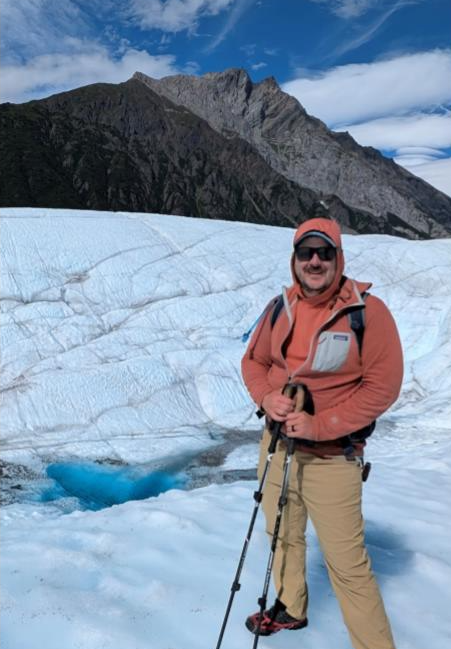 Eric Dressing is an Ecologist and GIS Data Manager with the Wetland and Riparian Mapping Program of the O’Connor Center for the Rocky Mountain West. He provides technical GIS support, ecological knowledge, and data integrity oversight on multiple wetland mapping projects throughout the West, with a focus on Alaska. With an interest in leveraging GIS techniques, Eric aims to improve the accuracy of wetland mapping and deliver value-added ecological data to State, Federal, and Tribal partners. He is experienced in multiple wetland classification systems and develops automation methods for modeling LLWW, NWI++, and Wetland Function data. Based in Helena, Montana, he enjoys exploring the outdoors and cooking for family and friends.
 -
Ian Hellman started with the O'Connor Center in 2022 as a Lead Crew Manager for Lotic AIM. He is now a Data Analyst developing tools to help land managers make evidenced based decisions. Ian is originally from the foothills of the Appalachian mountains in Virginia but moved to Colorado and graduated with B.A. in Physical Geography from Adams State College in 2011. A few years working and playing in the desert southwest was followed by a M.S. in Water Resources from the University of Idaho in 2019. Ian has over 10 years of experience in water-related monitoring including field data collection in ecosystems across the west, stream gauge and weather station installations, and R programming. Currently, Ian also works with the Autonomous Aerial Systems Office on campus providing high quality, UAV-based data products and geospatial analysis. When not at work, you'll mostly find Ian on a mountain bike, snowboard, or raft.
-
Celine Knudsen has spent two field seasons with the O’Connor Center for the Rocky Mountain West. She currently manages terrestrial AIM crews in Montana.
Celine has experience in plant ecology through an agricultural lens- with focus on greenhouse management and plant pathology. Celine hails from the Palouse Prairie of Northern Idaho and loves experiencing the diversity of rangelands through terrestrial AIM. Outside of work, she can be found hand-pulling weeds in the garden, hunting for huckleberries, or hiking with her hound dog.
-
 Kory Kolis is a Plant Geneticist/Biologist and Project Lead for the OCRMW. He currently manages the Terrestrial AIM project in Idaho.
Kory is a Plant Geneticist/Biologist and Project Lead for the O’Connor Center for the Rocky Mountain West. He currently leads the Terrestrial AIM project in Idaho. Kory’s research background ranges from long-term ecological and plant population dynamics to population genetics and plant adaptation/evolution. He is working to develop research projects and resources that will supplement and support ongoing monitoring efforts at the national and state level. Despite working in uplands his favorite tree is the cottonwood.
kory.kolis@mso.umt.eduEducation:
B.S. in Biology and Studio Art from Gustavus Adolphus College, St. Peter, MN, 2015
M.S. in Ecology and Evolution from the University of Montana, Missoula, MT, 2019
-
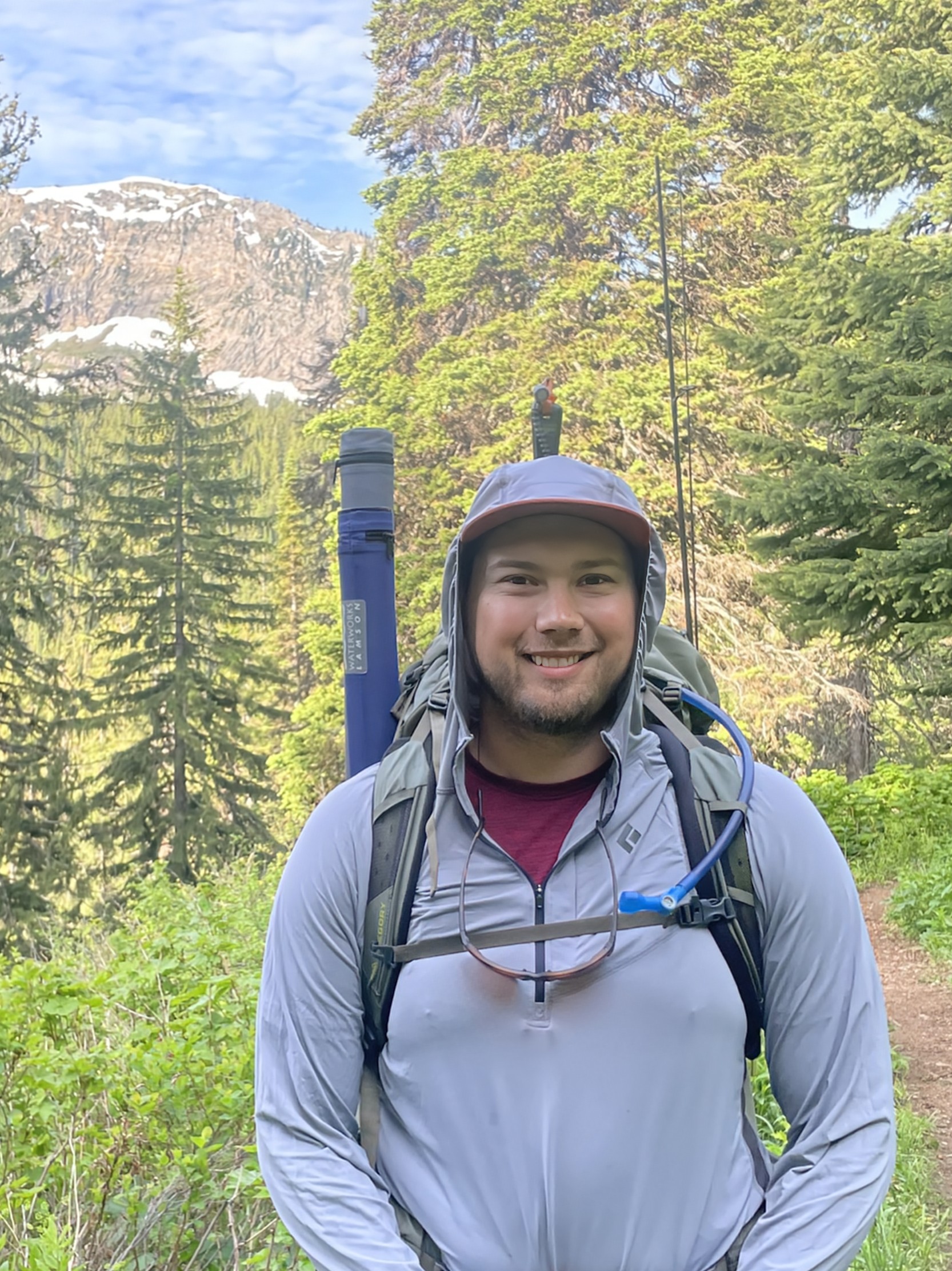 Jordan Rodriguez has been with the O’Connor Center for the Rocky Mountain West for two years. Starting as a crew lead, he now manages terrestrial monitoring crews in the Boise District.
Following his graduation from Oregon State University with a B.S. in Fisheries and Wildlife sciences, Jordan continued his education with an M.S. in Biology from California State University – Long Beach. Jordan has led research projects studying the effects of urbanization and human development on wildlife presence and activity. His favorite part about terrestrial AIM is getting to experience some of the most remote wilderness areas in Idaho. When not in the office or on hitch, Jordan can be found fishing one of the many rivers near Missoula or cheering on his favorite F1 or NASCAR driver. -
 Ryhan Sempler is a wetland ecologist and spatial analysis for the O’Connor Center for the Rocky Mountain West.
As a wetland ecologist, he focuses on understanding the different wetland habitats and the functions they provide for the ecosystem. This information is used to spatially map wetland and deepwater habitats across the western United States. Ryhan’s early education and career started in wildlife biology where he spent 10 years working in land and wildlife management. Part of his work was managing wetlands for waterfowl production and migration. This led to a natural transition into wetland ecology. He still has a special interest in land management and wildlife conservation today. When he’s not at work you typically will find him wading a river or deep in the mountains. -
 Lauren Sinclair is an Ecologist and Project Manager with OCRMW. Lauren has experience working with long term ecological monitoring projects as well as a dedicated interest in plant ecology and education. She has been with OCRMW since 2019 and manages projects focused on monitoring upland ecosystems. Lauren has a special interest in projects that include providing educational experiences such as mentorship opportunities for early career professionals and hands-on workshops related to plant identification and field data collection skills and techniques.
 -
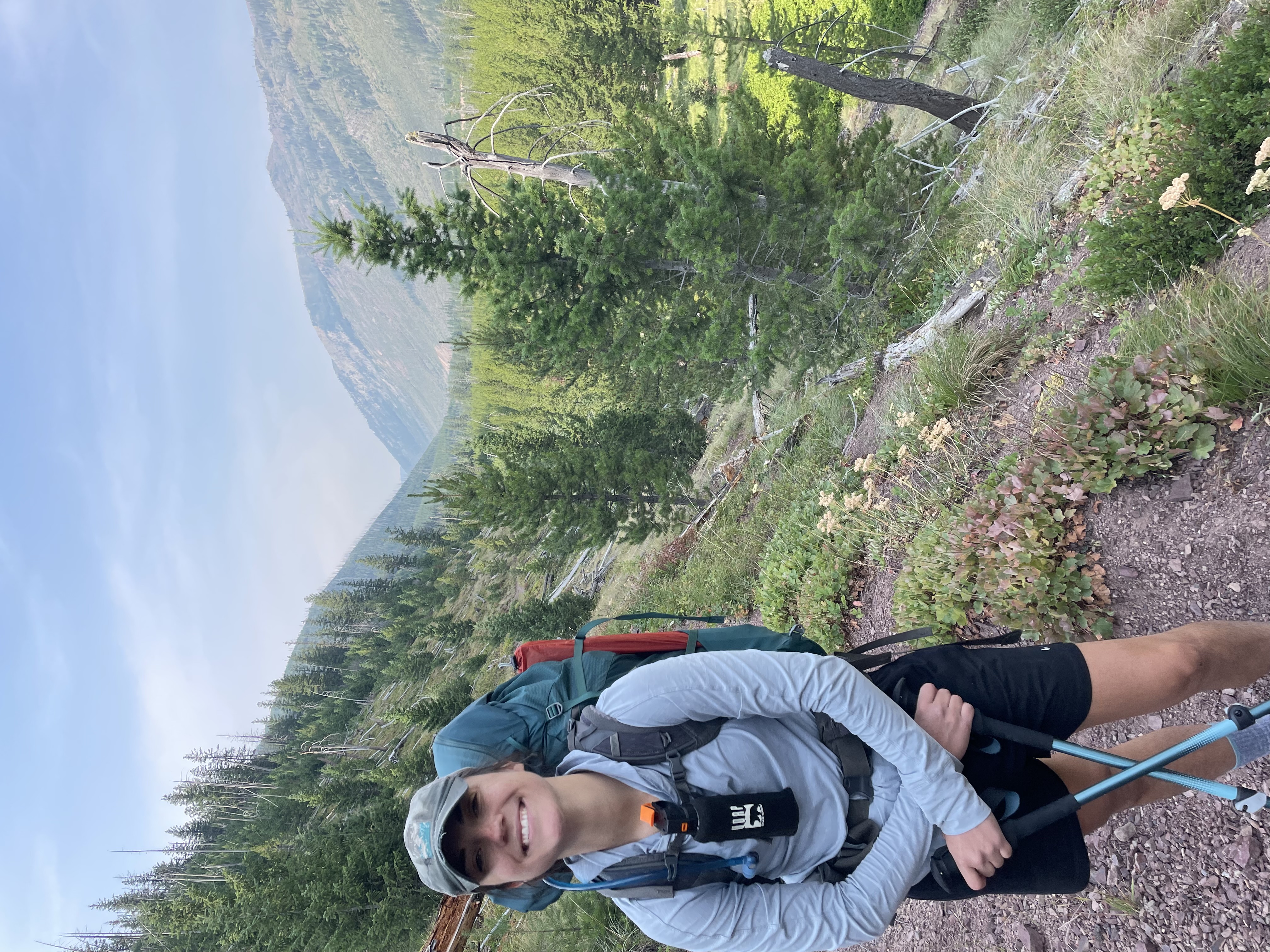 Lauren Snobl is an Ecologist and the Lead Crew Manager for the Riparian and Wetland AIM Projects. With a MS in Wildlife Biology from the University of Montana, Lauren specializes in wildlife ecology, spatial modeling, and environmental data analysis. Lauren seeks to utilize her technical expertise in RStudio and spatial modeling to assist land managers in making data-driven decisions. Whether through leading field teams in remote areas or synthesizing complex ecological data, she is committed to advancing ecological knowledge and contributing to land management practices.
 -
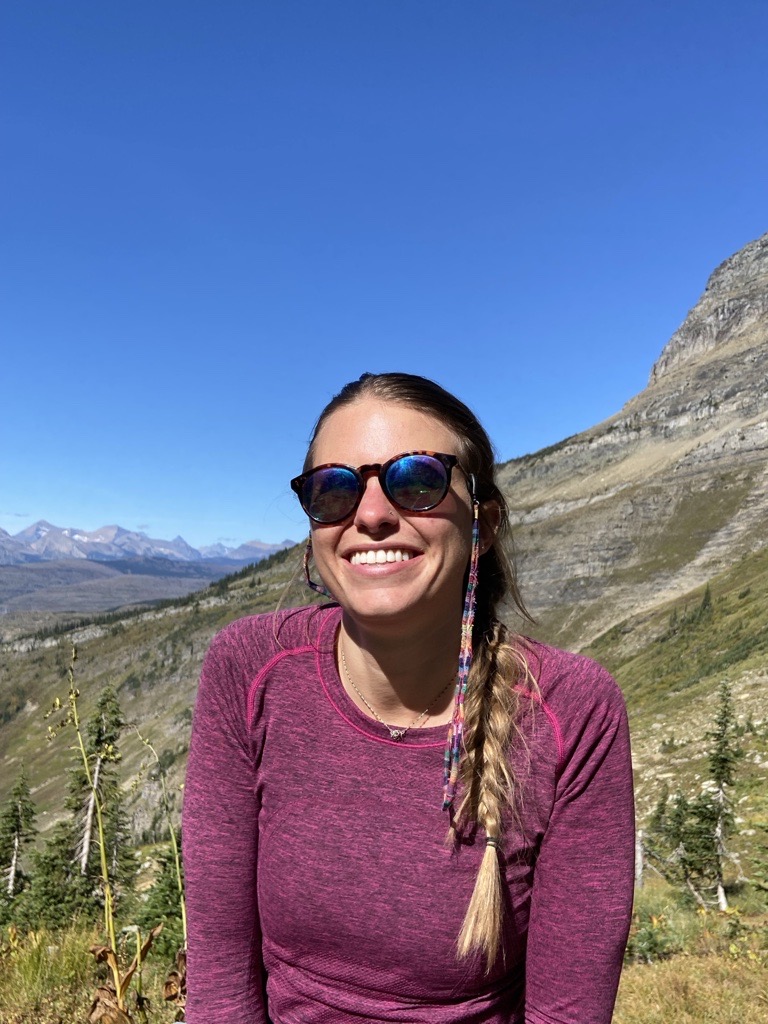 Grace Stavich (she/her) first became involved with the O'Connor Center for the Rocky Mountain West as a field technician in 2020. She currently works as a Terrestrial AIM Crew Manager and GIS Analyst.
Grace holds a B.S. in Resource Conservation from the University of Montana and has gained extensive experience in plant ecology and botany work throughout the western U.S. Her work has spanned rangeland, forests, and riparian ecosystems, with special interests in community-based conservation, collaborative approaches, and integrated systems ecology. She loves that the O’Connor Center allows her to blend ecological principles with practical fieldwork to enhance sustainable land management practices. Outside of work, Grace enjoys exploring new trails, playing pick-up soccer, and reading by the river, always eager to connect with people and place. -
Kaitlyn Thomas has been with the O’Connor Center for the Rocky Mountain West since 2022 when she started as a lotic field technician. She is currently the data specialist for the BLM Idaho Lotic AIM program.
Originally from Gettysburg, PA, Kaitlyn completed a BS in Biology with a focus in ecology from Temple University (Philadelphia) in 2020. She made her way westward working with Idaho Fish and Game in their anadromous fish program before taking a position with the OCRMW. With the center, Kaitlyn has worked as a lotic stream tech, crew lead, wetland mapper, and now as the BLM Idaho Lotic AIM data specialist. She is broadly interested in stream ecology and utilizing available monitoring data to inform the management and restoration of streams in light of disturbance such as fire. When she is not in the office or on hitch, Kaitlyn can be found hiking, rockhounding, snowshoeing, or crafting.
-
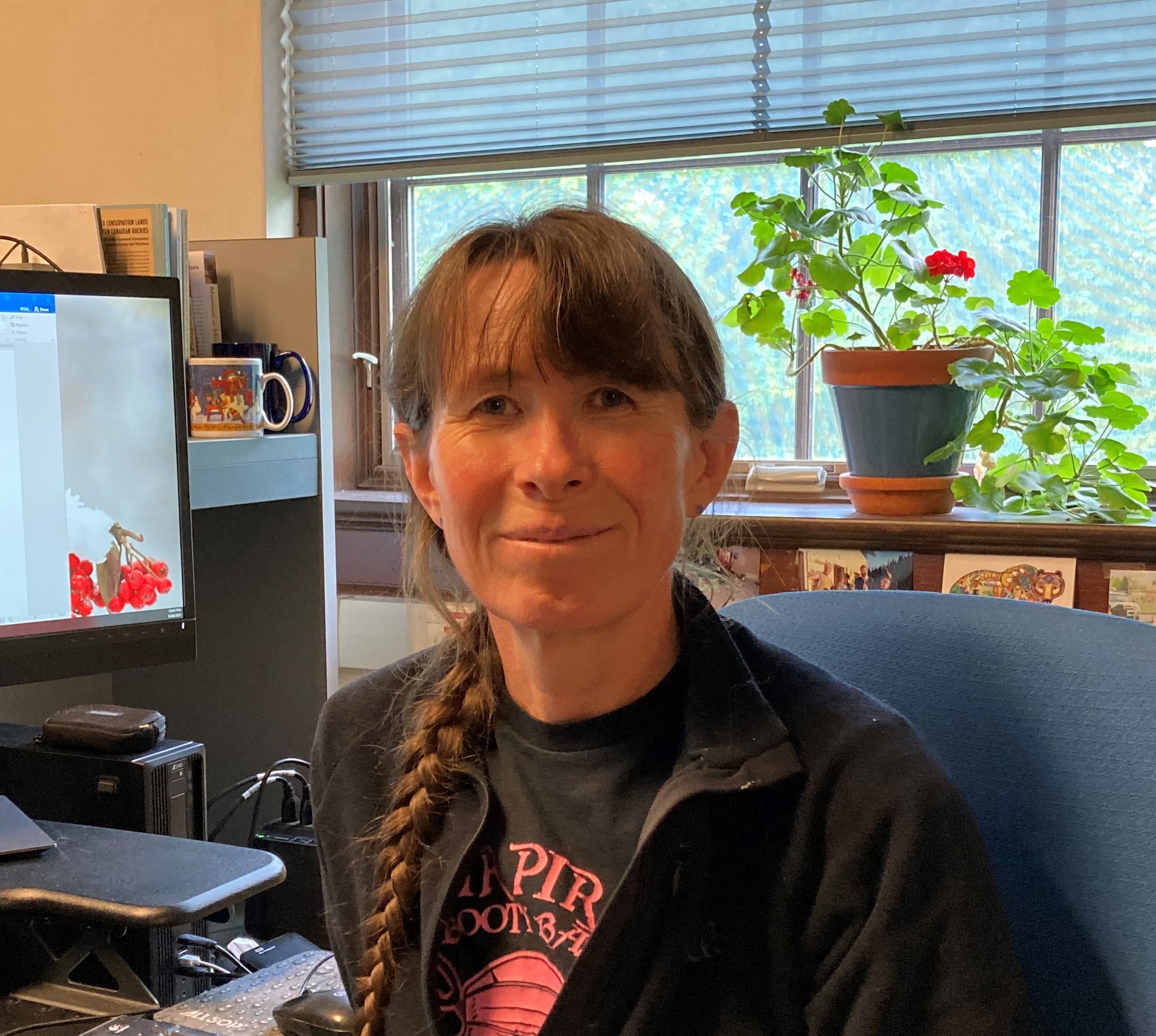 Claudine Tobalske has been a wetland mapper for the O’Connor Center since April 2023, assisting with GIS analyses and report writing. Much of her recent work with the organization has been spent interpreting the North Slope of Alaska.
Claudine has over 30 years of GIS experience in the field of natural resources conservation and management, starting as a Ph.D. student in Wildlife Biology working for the Wildlife Spatial Analysis Lab at the University of Montana, then as a GIS analyst and ecologist for the Oregon Natural Heritage Information Center and Montana Natural Heritage Program, on to her current position as GIS Analyst for the O'Connor Center. She also collaborates with the University of Guam on GIS applications for the conservation and management of endangered endemic fruit bats. She enjoys all aspects of GIS analysis, from data sleuthing to technical problem solving. If not stuck behind a computer, you're likely to find her climbing on a sunny local cliff, or hiking, biking or skiing near her home base of Missoula, Montana.