
NIH Funded Pilot Projects
-
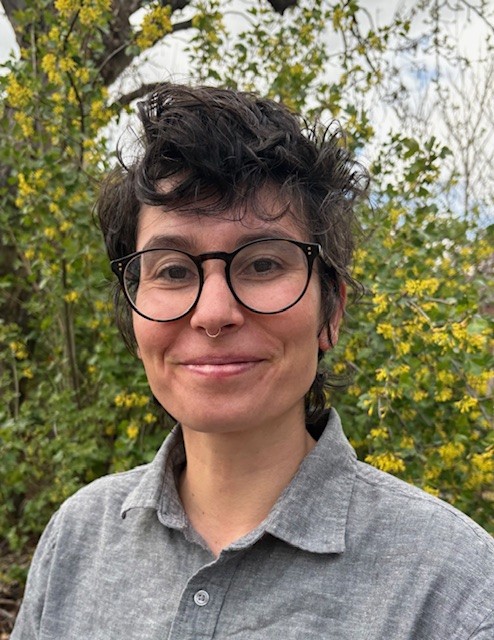
Dr. Hall is research faculty at the University of Montana and a pediatrician by training.
The objective of this pilot project is to determine the readiness of parents and medical providers in rural Montana to implement group well child checks. A group well child check is a healthcare delivery redesign from the traditional medical provider - parent - child encounter to a group format with similar age children addressing parent concerns with a medical professional team.
This format is more common Internationally and has demonstrated impact in urban underserved but has not been studied or sustainably implemented in a rural context.
Through this pilot work, we will quantify and determine the readiness and capacity of pediatric medical providers and parents in rural Montana.
-
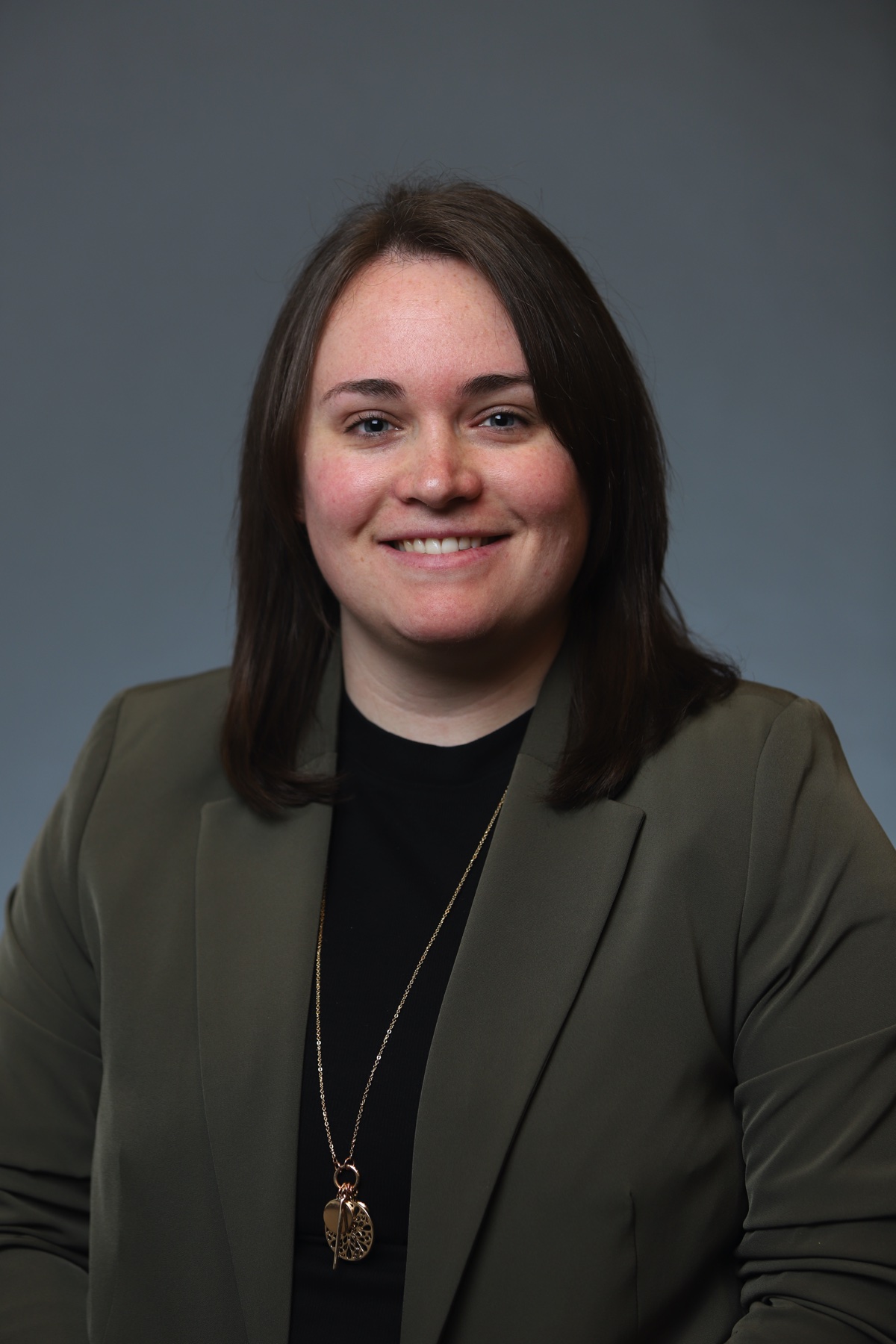
Dr. Olomi is an Assistant Professor at the University of Montana in the Department of Psychology. She is partnering with Providence Health on this project.
This feasibility pilot project, developed in partnership with First Step Resource Center, tests the implementation of a brief neuropsychological protocol to assess for intimate partner violence-related strangulation (IPV-NFS) in rural clinical settings. IPV-NFS affects 1 in 10 Americans and is associated with serious neurological consequences that are often delayed and sometimes fatal, including strokes and pulmonary embolisms that can develop long after the strangulation event itself. Despite its severity, IPV-NFS is significantly under-researched, with virtually no clinical guidelines for assessment or treatment. Ultimately, this work aims to establish a scalable, clinically relevant NFS response protocol that can improve care delivery in rural areas while generating large-scale data to guide treatment decisions for NFS in real-world contexts. In addition to feasibility testing, this project will identify system-level barriers and facilitators to care delivery through interviews with local health, social, and law enforcement providers, and will generate new data on the cognitive impacts unique to strangulation. Findings will lay the groundwork for a future multi-site study aimed at developing targeted treatments and improving outcomes for a critically underserved population.
-
Dr. Shayna Killam is a licensed pharmacist and postdoctoral fellow at the L.S. Skaggs Institute for Health Innovation at the University of Montana. Her research focuses on integrating pharmacogenomics into routine care to improve medication outcomes and expand access to personalized medicine in rural and Tribal communities.
In partnership with Shodair Children’s Hospital, this pilot project will establish a foundation for studying pharmacogenomics-guided treatment in community-based pediatric mental health care. Pharmacogenomics examines how genetic differences influence a person’s response to medications and can help inform medication selection and dosing. However, evidence supporting its use in pediatric mental health care remains limited, particularly in rural settings.
The study will examine existing outpatient health records to characterize patient populations, prescribing patterns, and clinical outcomes. The team will also pilot pharmacogenomics testing with individualized pharmacist recommendations for children and adolescents receiving outpatient psychiatric care, assessing research feasibility and workflows for returning results to patients and providers. Findings will inform a future clinical trial evaluating whether pharmacogenomics-guided prescribing improves treatment outcomes. This work will also strengthen the University of Montana–Shodair research partnership and build capacity for clinical research in community-based settings.
NIH Funded Developmental Projects
-
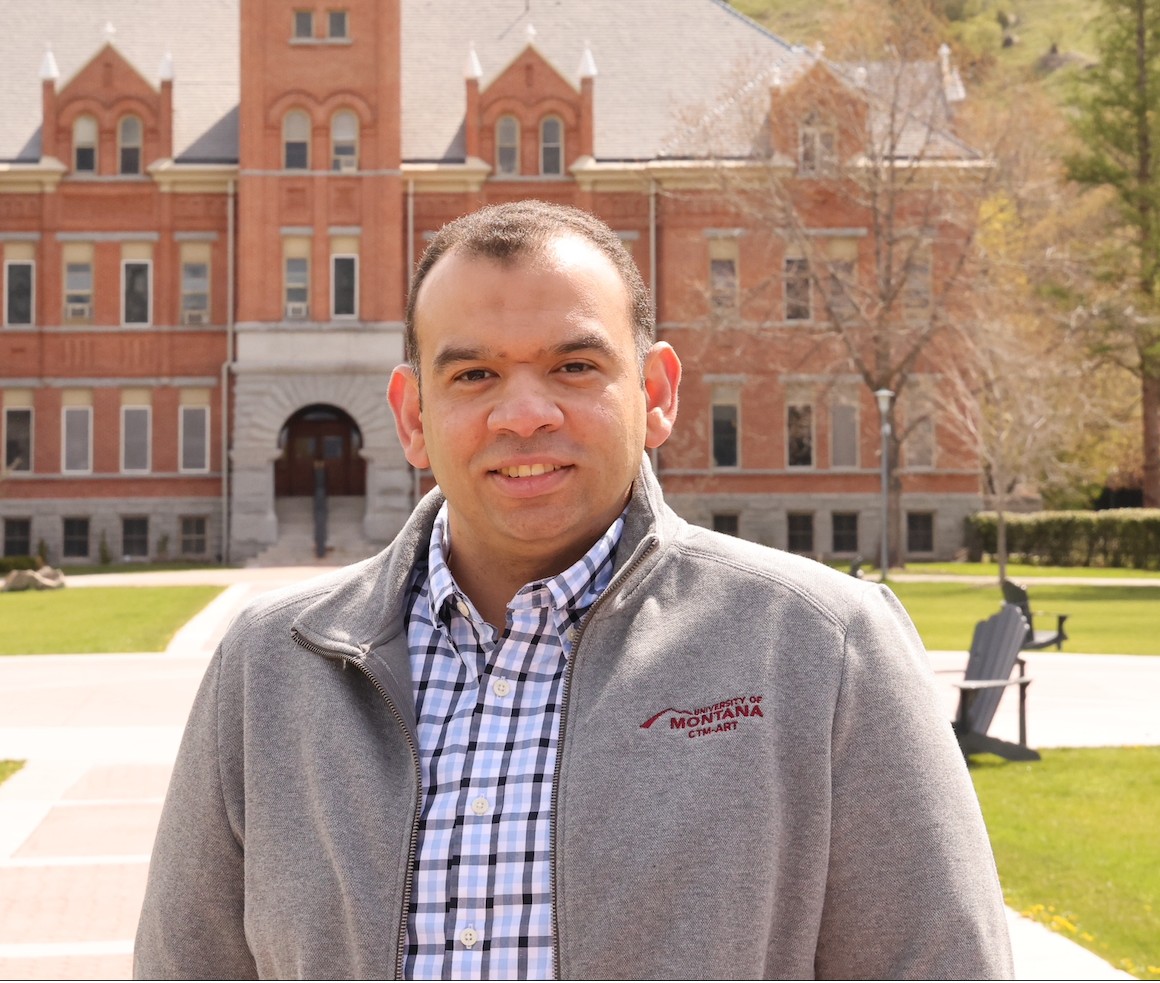
Dr. Abdelwahab is a Research Associate Professor at the University of Montana in the Center for Translational Medicine, where he leads the Formulations Group.
With a PhD in Chemistry and extensive experience in vaccine adjuvant development and pharmaceutical research, his work focuses on translating novel vaccines, immunomodulators, and delivery systems from early discovery through clinical and regulatory readiness. His research interests center on strategies to enhance the precision and durability of immune responses across infectious disease and cancer indications. Dr. Abdelwahab actively collaborates with academic, industry, and global health partners to accelerate the development of next-generation vaccines and immunotherapies.
There are currently no approved cancer therapies targeting Mincle, a key receptor on tumor-associated macrophages (TAMs) that promotes immune suppression and resistance to treatment. This project aims to enhance the efficacy of radiation therapy (RT) by targeting Mincle, a key driver of TAM–mediated immunosuppression. We will evaluate the novel Mincle antagonist UM-5133—alone and in combination with RT—in murine tumor models using advanced delivery systems. By reversing macrophage-driven immunosuppression and enhancing the immune effects of radiation, this work has the potential to improve treatment outcomes for patients with solid tumors and lay the foundation for a new class of immunotherapeutics.
-
Dr. Debuysscher is a Research Professor at the University of Montana in the Center for Translational Medicine.
As humans age, so does their immune response, which can increase severity of infections as well as decrease vaccination efficacy. RSV is a virus that is known to have a high risk of severity in older adults or immunocompromised individuals due to factors associated with weakening of the immune system.
Preliminary findings from my lab suggest that when vaccinated against RSV, aged mice have similar levels of antibody titers compared to young mice, however these antibodies fail to effectively neutralize RSV. Because approved RSV vaccines target the induction of protective antibodies as the main mechanism of protection, we hypothesize this will limit the efficacy and durability of RSV vaccination in aged adults. By targeting this phenomenon, we aim to better understand the decrease of function seen in aged mice and apply that knowledge to human therapeutics. This work will lead to isolating and producing monoclonal antibodies for potential use as treatment to aid the aged immune system during RSV infection.
-
Dr. Stierle is a Research Professor at the University of Montana in the Biomedical and Pharmaceutical Sciences Department.
The Stierle and Priestley Research Labs are advancing development of a novel family of antibiotics, the berkeleylactones.
Berkeleylactone A (BPLA), first isolated from extremophilic fungi in the Berkeley Pit Lake in Butte, Montana, exhibits potent antibacterial activity with a unique mechanism of action. It targets multidrug-resistant Staphylococcus aureus (MDRSA), including vancomycin-insensitive strains (VISA), and both disrupts and prevents biofilm formation—one of the greatest challenges in treating persistent infections.
Because BPLA is not stable in plasma, the team synthesized a more durable lactam analog (BPLmA) with improved pharmacokinetic properties.
Their current goals are to produce sufficient quantities of BPLA and BPLmA for testing, generate new analogs informed by structure-activity relationships, and assess absorption, distribution, metabolism, and excretion. Advancement of this work could establish the berkeleylactones as a new class of antibiotics against resistant bacterial pathogens.
Center Funded Mini Grants and Other Projects
-
Jessica Fleser and the RESOLVE Team at Providence Health received $10,000 to further rural health research planning in Montana in partnership with UM and MCTRC.
-
Received $5,000 for project development and partnership with the Montana Department of Public Health and Human Services and Providence Health to develop a coordinated post-stroke aphasia care pathway in Montana.
-
Received $5,000 for project development and partnership with the Montana Department of Public Health and Human Services to work on a program to assess and mitigate the cumulative effects of wildfire smoke exposures in local communities.
-
Received $5,000 for project development and to work on the project: Tolerability and Dosing of Amphetamine-based Psychostimulants when Co-prescribed with or without a CYP450 2D6 inhibiting Antidepressant: A Retrospective Review
-
Received $5,000 for project development and partnership with the Montana Department of Health and Human Services to work on the project: Virtually Assisted Schools Teams (VAST) tele-mental health.
-
Received $5,000 for project development and partnership with Logan Health to train for point of care ultrasound for rural Montana.
-
Received $60,000 for a feasibility study to help evaluate the operational, clinical, and regulatory feasibility for a future clinical trial with Dr. Alex Kraev researching the utilization of deep parasternal intercostal plane blocks for postoperative pain management during sternotomy.
-
Received $5,000 to help project development and partnership with Providence for the project, ARCHES: Addressing Rural Community Health and Emergency Services
-
Received $5,000 to help create partnerships,mentorship, and project development opportunities with Providence Oncology for Translational Cancer Research
-
Received $5,000 to support of a psychology internship in the Medical Genetics Department at Shodair Children's Hospital.
-
Received $5,000 to help project development and partnership with the University of Montana for the project, ARCHES: Addressing Rural Community Health and Emergency Services
Research reported on this website was supported by the National Institute Of General Medical Sciences of the National Institutes of Health under Award Number P20GM155895. The content is solely the responsibility of the authors and does not necessarily represent the official views of the National Institutes of Health.