
Classes Session 1
-
Using poems or short prose selected by each participant, we will concentrate on the poster or broadside; the rectangular sheet that converts into a folded booklet (also known as an “8-fold”); and variant folded sheet shapes and permutations that slow down reading and allow for innovative inserts, vernacular impressions, and the integration of printing and painting.
The two instructors will demonstrate the fundamentals and finer points related to hand-setting metal type, and printing on the flat-bed press. They will address the process of constructing and printing a variety of relief plates and show how they have served as illustrations, visual sequences, book covers, print highlights, tint blocks, landscapes, and abstractions, as well as the contexts in which they were presented. Various papers, grounds, inks, pigments, modifiers, oil paints, acrylic polymer mediums, and other materials and supplies will be investigated and discussed, as they relate to each process.
Printing and painting have much in common, and in particular, we will explore mediums, forms, materials, and methods that lead to producing unique images, pressure prints, collagraphs, paste papers, trace monotypes, stencils, and other ways of mark-making onto paper directly or with traditional, innovative, and experimental print media. While the overall objective of this workshop is to produce works of art with the single sheet as its focus, participants from diverse backgrounds, education, and experiences will also have the chance to gain new insight from dedicated print professionals on how to edit, plan, design, layout, print, produce, and distribute a small publication.
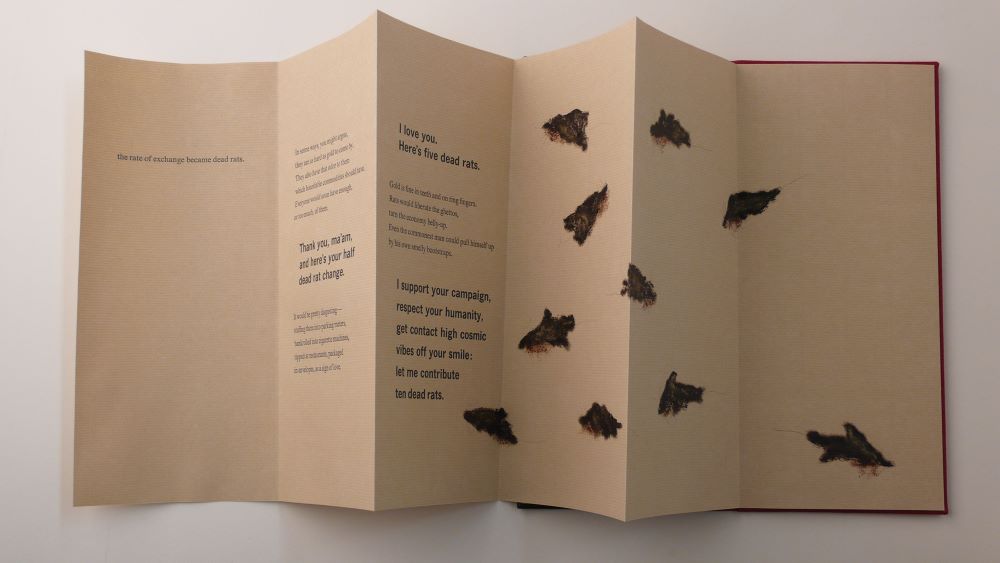 Above: The Standard, a collaboration featuring a poem and drawings by Harry Reese and a conceptual binding by Sandra Liddell Reese. The type is handset Times New Roman and Franklin Gothic printed on MacGregor handmade paper. From the Turkey Press catalog.
 -
Students will learn the art of wood engraving, an extremely accessible process that you can complete at your own home studio. A refined form of block printing, wood engraving offers a full range of tonality and exquisite control over mark-making. During this four-day workshop students will learn a brief history of the art and its materials, practice techniques, and develop their own design.
Finally students will produce a limited edition of prints in the Bear Scratch Press studio, using their own woodblocks on one of our three printing presses.
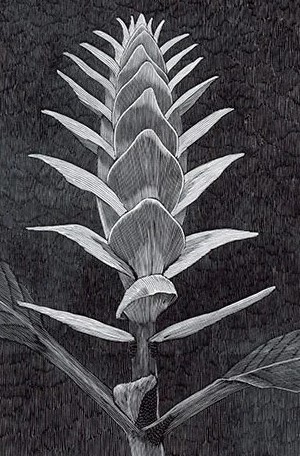
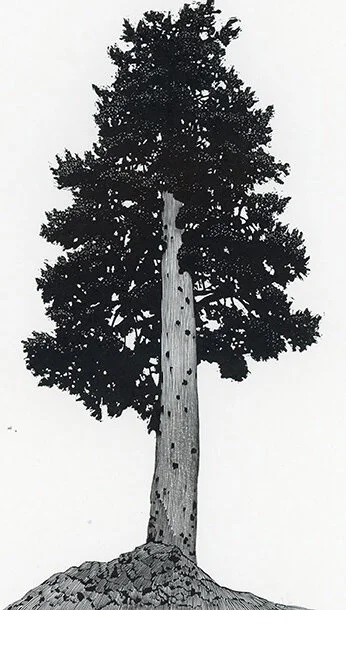
Above left to right: Aphelandra flava; Olympic Tree, both prints by Richard Wagener from his archives.
-
This class is an introduction to the fundamental building blocks of bookmaking. Each student gains an understanding of paper and paper grain, tearing and folding, cutting, gathering, and sewing. Best practices, posture, and essential aspects of materials are covered. The class begins with a simple pamphlet binding, expanding into double-section bindings and casework, and ends with various multi-signature flatback case binding constructions. The foundational considerations of design, tools, and materials are taught in this introductory course. Tools and materials common to bookbinding are covered, with many opportunities to explore the variety of results they offer. The last part of the class discusses essential tools for a home studio in order for students to practice and explore the bookbinding skills they have developed.
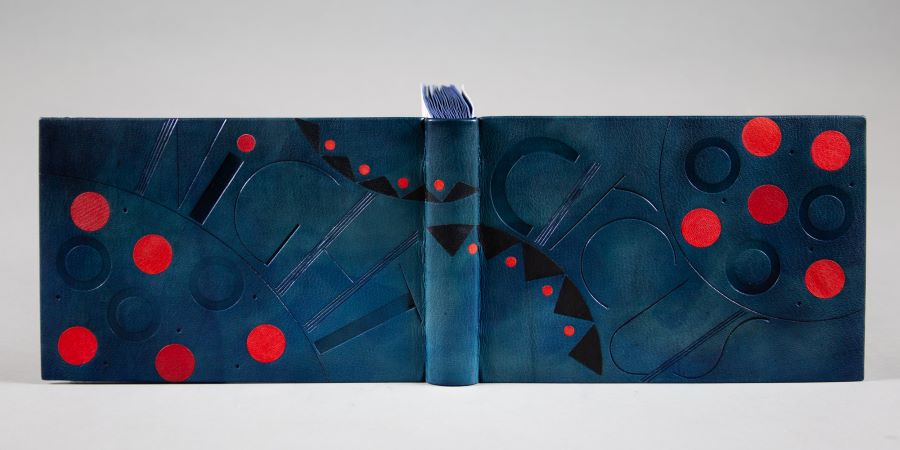
Above: Brenda Gallagher's Night Circus, 2024.
Below: Brenda Gallagher's hand bound, wood burned book.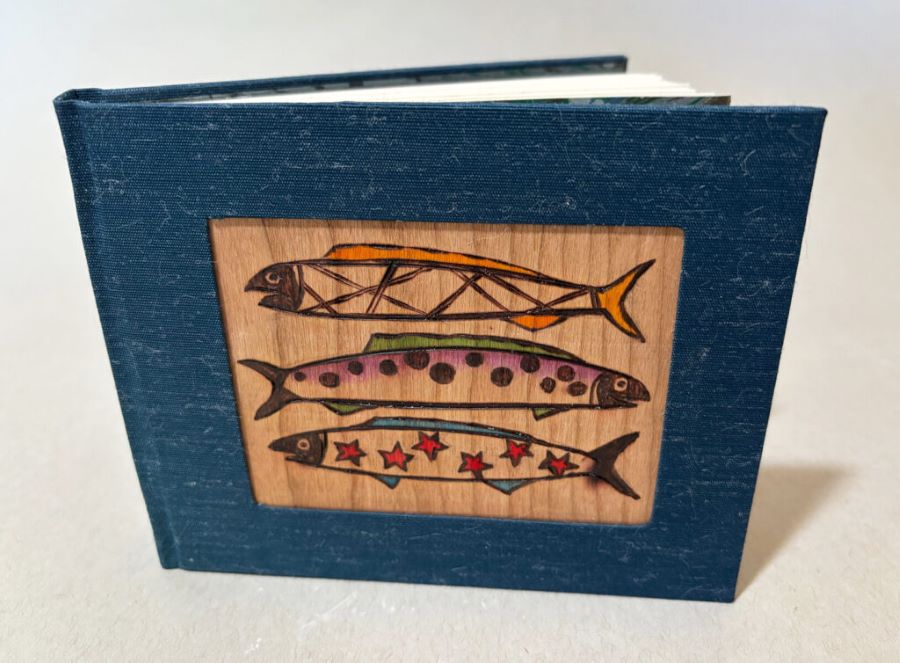
-
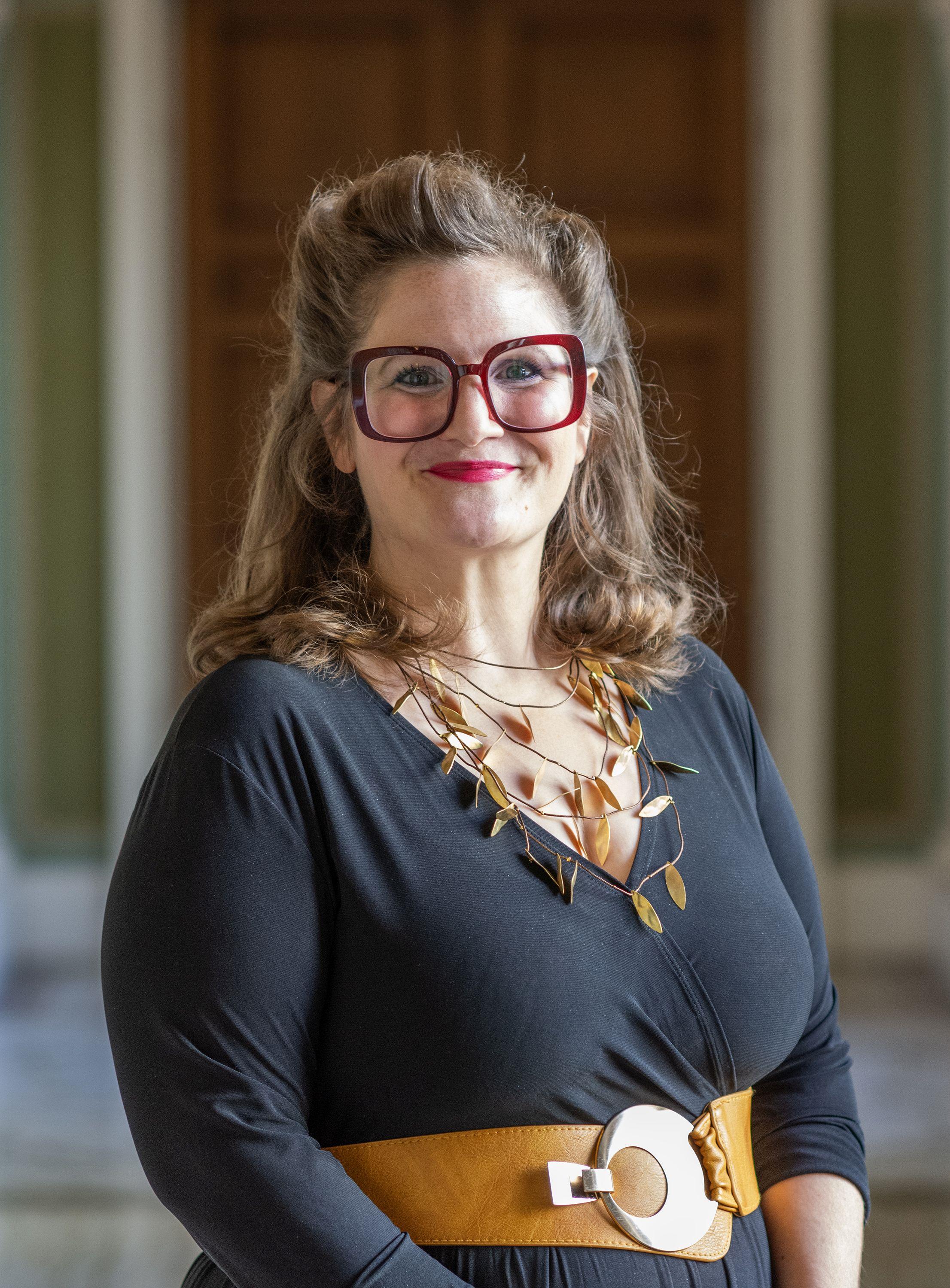
Stephanie Stillo is the chief of the Library of Congress's Rare Book and Special Collections Division. She will discuss her work at the Library of Congress, as well as the crucial role of physical books in the digital age.
Cristina Favretto is the Head of Special Collections at the University of Miami Libraries, and the founder of Tropic Bound Artists' Book Fair. She will speak about her work in curation, especially as it pertains to education, and the use of artists books in teaching both children and adults.

Classes Session 2
-
Students will learn the ancient process of stone carving, a tradition that began before the Romans carved the great Imperial caps of the Trajan inscription. After a brief history of the form and materials, students will start with a drawn letter on a piece of paper, transferring the layout to a piece of stone, then carving, with hammer and chisel, said letter into that hard slab.
Students will learn the basics of stone-carved letter design and how to apply this craft to a variety of materials, including local Montana stone. They will also gain an appreciation of the stone carving in every day life, on headstones, buildings, and works of art.
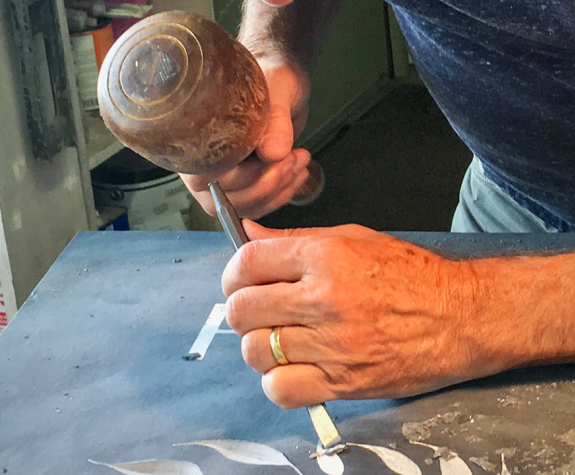
Above: Stinehour at work.
Below: The Goudy award, stonecut by Stinehour in 2015.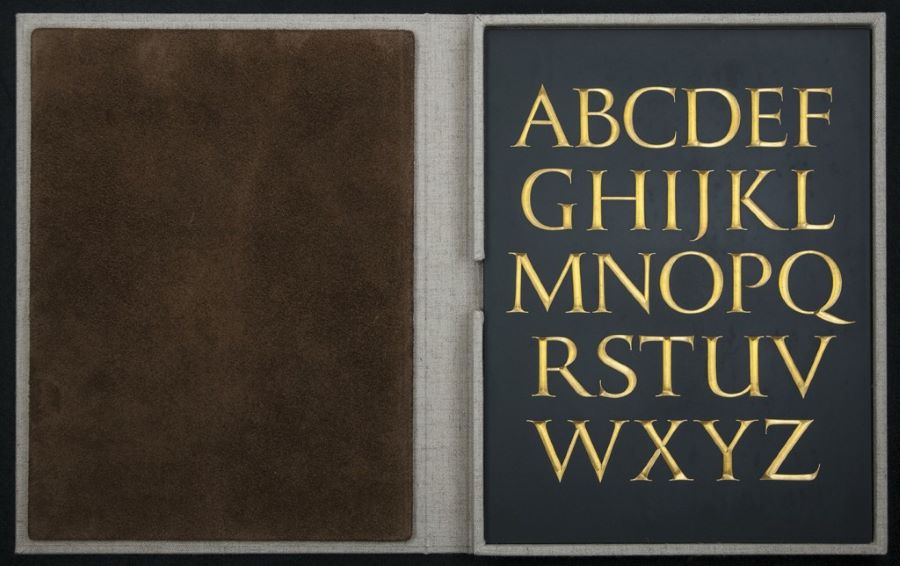
-
Amanda will introduce you to natural dyeing and surface treatments on already made flax papers. You will be encouraged to integrate your indigo, walnut and persimmon dyed paper into book covers in your other classes. These dyed papers are special because of the crackling, layering and combined effects resulting in dark, durable papers. There are no trade secrets and a sample book will be made. We will work on an 11” x 17” scale so paper can fit at the bottom of a suitcase. Participants will be happy with the quantity and quality of your papers. This is an ideal session for teachers, bookbinders, creative artists, and anyone who likes strong dark papers.
No prior experience is necessary; all skill levels are welcome. You should bring a water-resistant apron along with footwear that can get colored and wet.
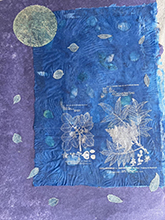
Above: "Wet", handmade paper by Degener.
Below: Donation print, handmade paper by Degener, from HMP Editions website.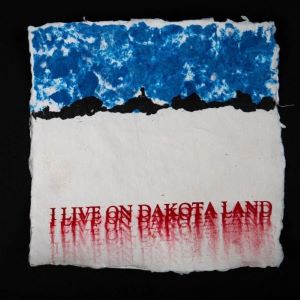
-
Paper in Motion: Getting Up off the Page
Movable devices in books have had a job to do from the very start. As early as the 14th century, these devices helped the viewer calculate religious holidays with a volvelle or go on a pilgrimage with lift flaps, and in later times they were used for scientific and educational purposes. Paper engineering can play a primary role in the presentation of content to the reader. In this session, participants will explore various moveable devices and structures, while considering how to make use of these techniques in their own work. A variety of movable, sculptural, pop-up and dimensional possibilities such as wheels, flexagons, flaps, pull-tabs, pop-ups, tunnels, and other aspects of paper engineering will be presented. The emphasis will be on experimentation and creating models rather than finished products. We will also discuss how the content of an artist’s book can be reflected in its form and view examples of pop-up and movable artists’ books.
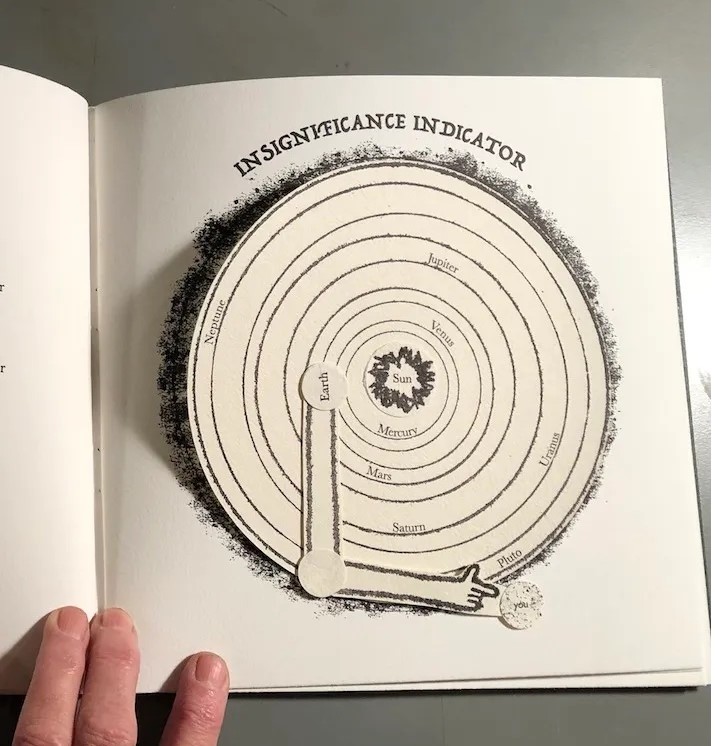
Above: Navigational Tools for the Willfully Lost, Emily Martin, 2024
Below: 2011 print by Emily Martin, from her website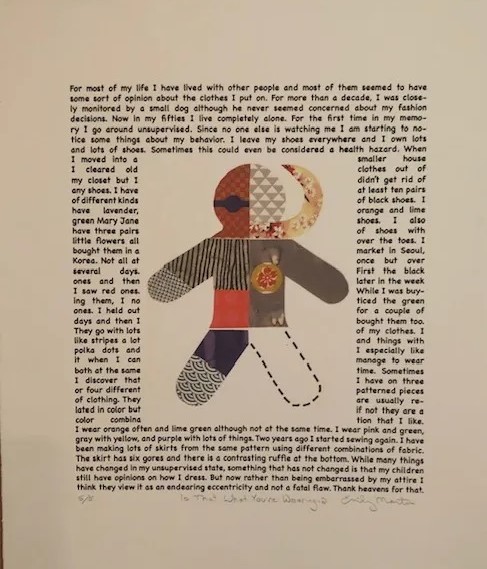
-
Peter Koch and Debra Earling are two Montana icons with long literary careers. Master printer Peter Koch is the cofounder of the Codex Foundation and a renowned maker of artist books. Debra Earling is the author of Perma Red and more recently, the Lost Journals of Sacajewea. The latter was the fruit of a years-long collaboration between Debra and Peter. They will discuss their work, and the role of collaboration in art more broadly.