People
Dr. Angela Luis, Associate Professor
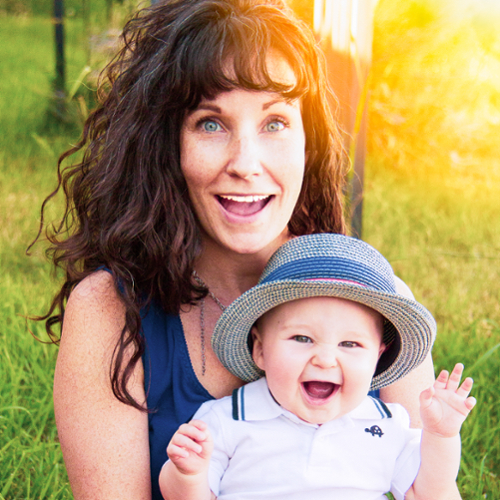
Angie is broadly interested in the ecology of infectious disease in wildlife. She studies the impact of wildlife host ecology on disease dynamics across scales, from within-host processes, to population-level and community-level interactions, up to broadscale, world-wide patterns of disease dynamics and emergence. See our Research page for more details.
Angie is originally from Oklahoma, where she was not taught evolution in public schools. So to be rebellious, she did some reading on her own and found evolution to be utterly fascinating and fell in love with biology. She received her B.S. in Zoology from the University of Oklahoma, then worked in an immunology lab for 5 years. Although the interactions between microbes and their hosts was interesting, she found her love with the bigger picture of disease ecology. She received her PhD in Ecology from Penn State University in 2010. She then did postdoctoral research at Colorado State University and Princeton University before joining the faculty at UM in 2014. In her free time, she enjoys the great outdoors of Montana (hiking, climbing, snowboarding), local craft beers (especially dark beers and sours), and experiencing life through the eyes of her toddler.
Savage Cree Hess, Research Lab Manager
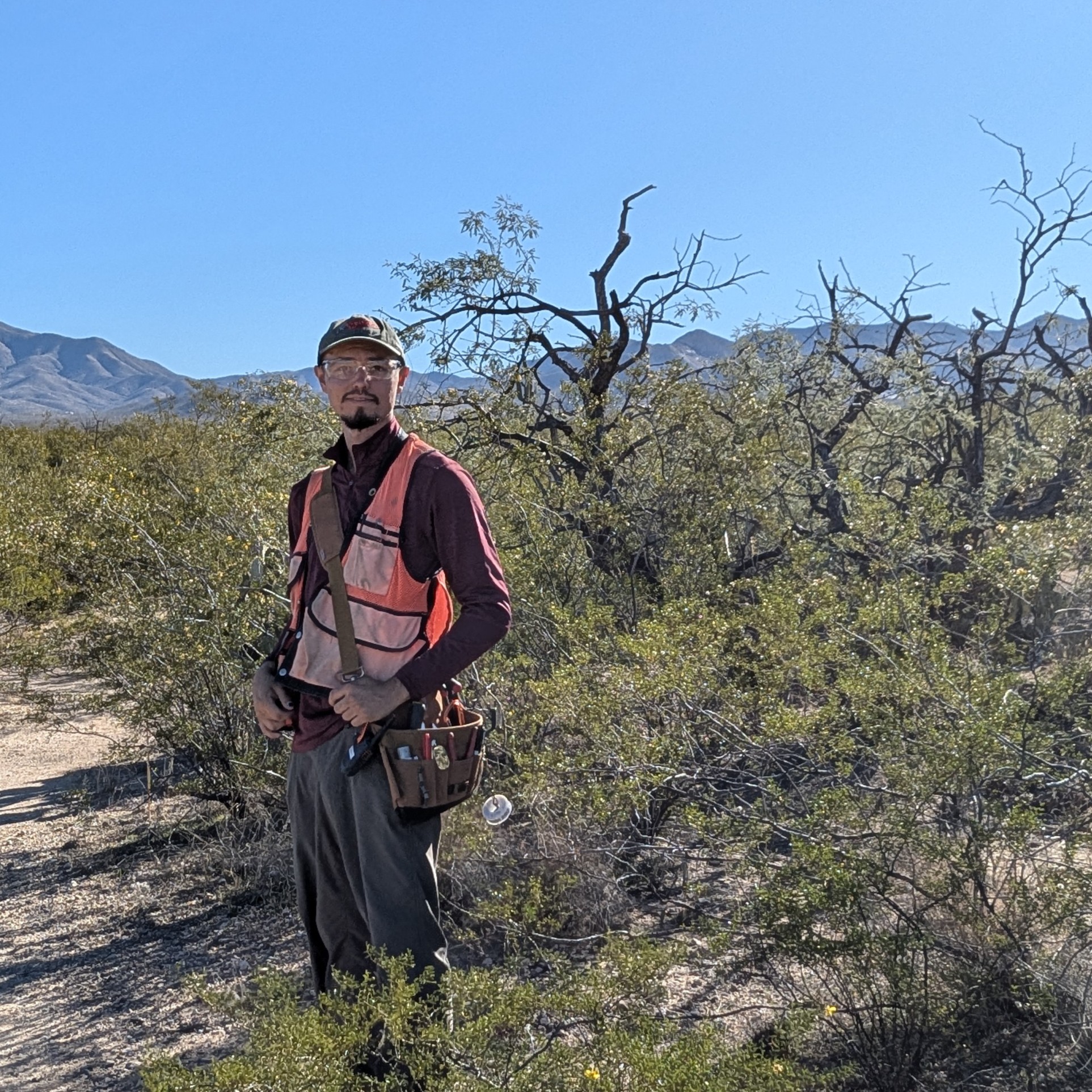
Savage Hess is deeply interested in the intersection of population ecology and genomics with relation to microbial studies. Their research spans from the identification of novel viruses in coyotes, broadening our understanding of pathogen reservoirs, and addressing how Mammalogist recognize and name species. Currently, he's investigating the potential to modernize aging rodents from their dentition.
Savage has obtained his B.S. in Biology and M.S. in Molecular and Cellular Biology from Arizona State University. There, he was a research assistant to the university's natural history collection and aided in urban ecology research. He would go on to work as a Field Ecologist at the National Ecological Observatory Network in the Southwest, leading technicians in the field and maintaining the research infrastructure.
Savage is proud to focus on creating a safe lab environment where mentorship is prioritized. He works with graduate students and undergrads alike to ensure they are able to accomplish their research goals without burning out. Outside of work, Savage is often found creating art from a wide range of media. Notable projects include a board game (Living Lands), a radio play (Sister Salt), and is currently writing a screen play for a short horror film (Saint Nicholas).
Nelle Jenkins, PhD Candidate
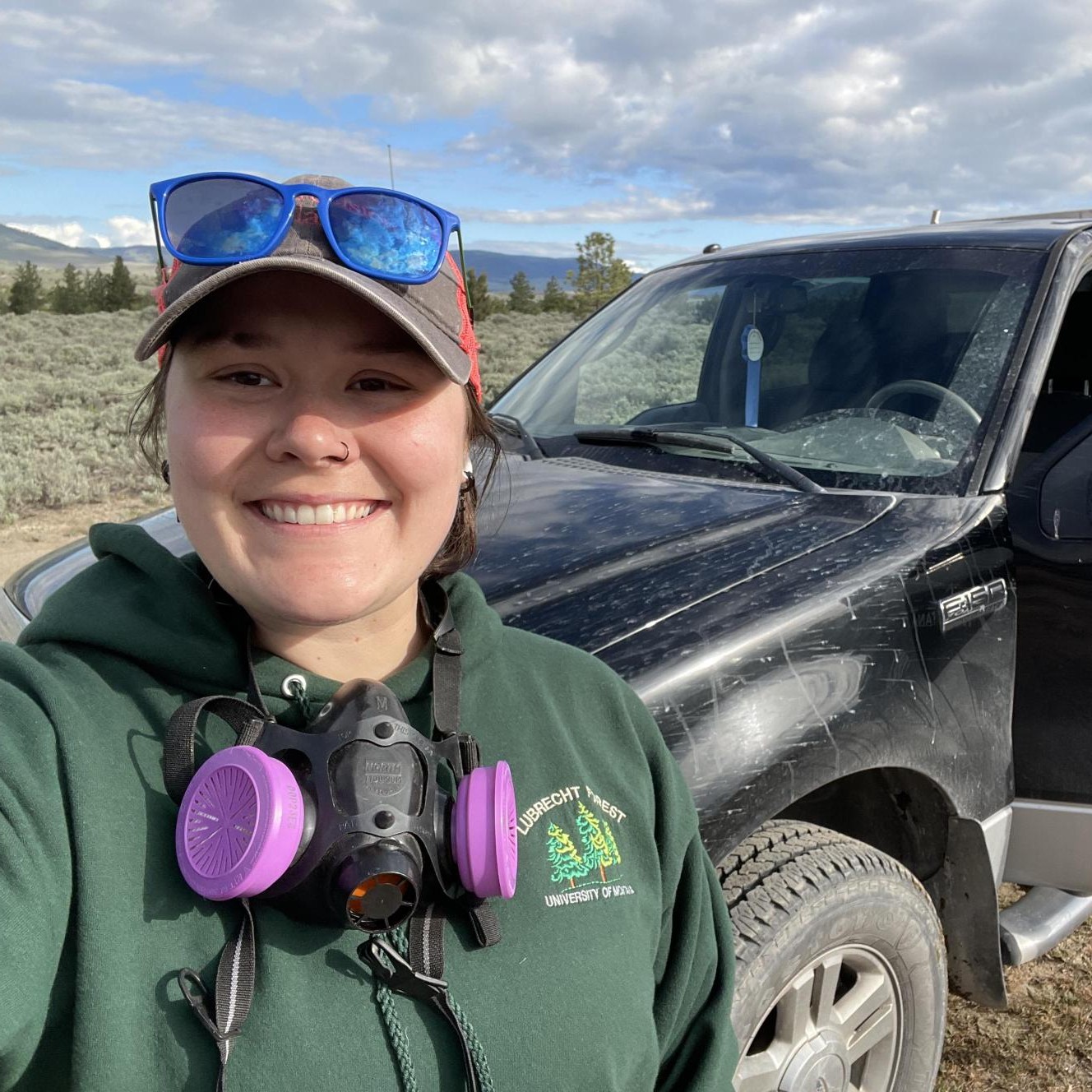
Nelle Jenkins is broadly interested in wildlife disease ecology and the physiological mechanisms that influence host–pathogen interactions. Her dissertation research uses the deer mouse–Sin Nombre virus system to investigate how physiological stress influences immune function and susceptibility to infection in wild populations. Through this work, she hopes to better understand the physiological factors that shape pathogen persistence and transmission.
Originally from Texas, Nelle earned both her B.S. and M.S. in Biology from the University of Louisiana Monroe. During her undergraduate years, she balanced work in a veterinary clinic with wildlife research, combining her interests in animal health and wildlife biology. She continued along that path during her master's research, which characterized an emerging shell disease affecting freshwater turtles in northeast Louisiana, before joining the University of Montana to pursue her Ph.D. in Wildlife Biology.
In addition to her research, Nelle is passionate about training the next generation of scientists and making research accessible through teaching and outreach. She hopes to build a career that combines research, teaching, and mentorship to advance our understanding of wildlife health and disease. Outside of work, she enjoys hiking, camping, baking, and exploring Montana with her wife and their dogs.
Caroline Karnatz, PhD Candidate
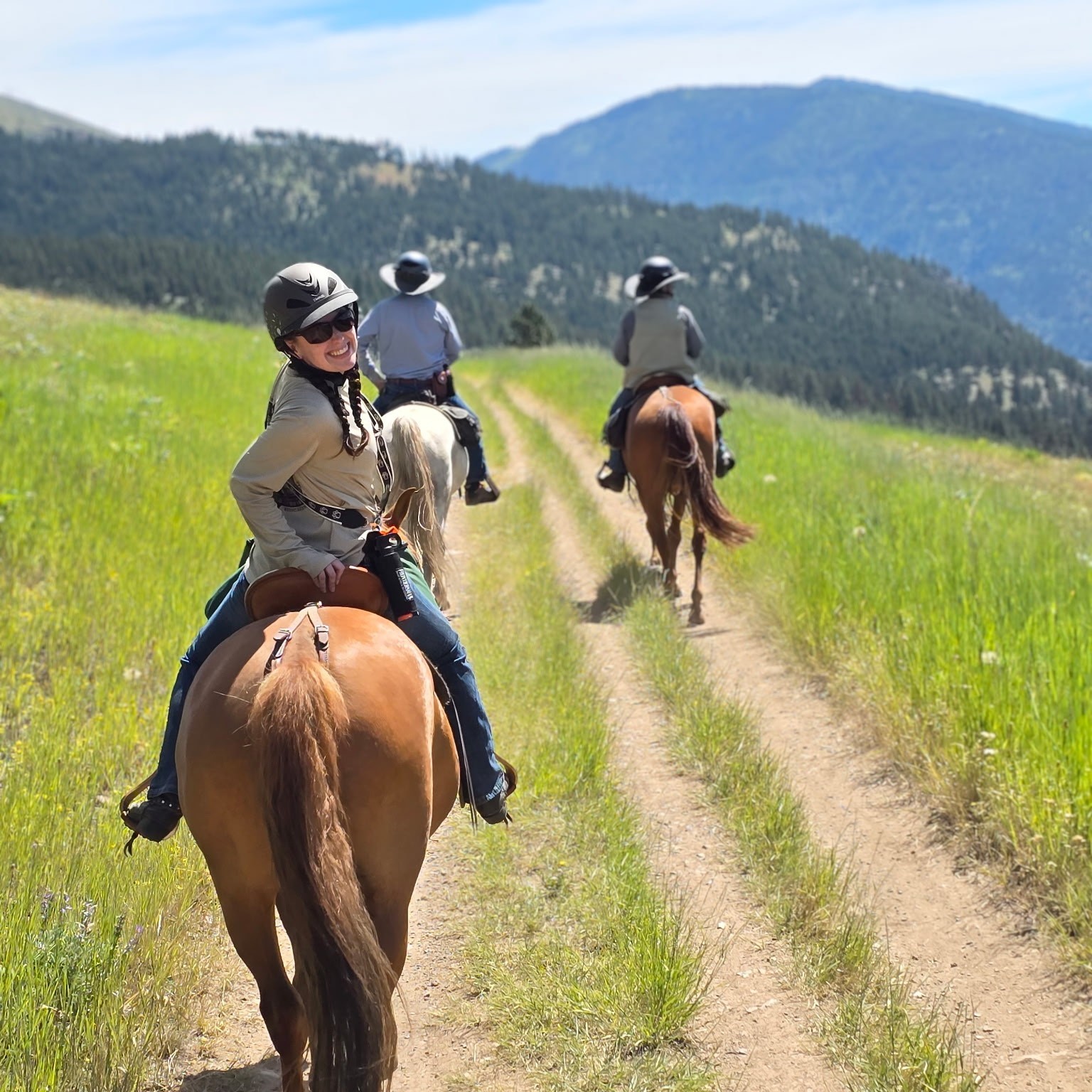
Caroline is an ecologist interested in how biotic and abiotic factors influence wildlife disease transmission (and vice versa). She is especially interested in the role of community-level species interactions and changing environmental conditions within and among sites over time to quantify patterns in Hantavirus transmission. She is currently a PhD candidate.
Caroline is originally from the Appalachian foothills of Georgia, where she received her MS in natural resources at the University of Georgia and her Bachelors in English/Creative Writing at Georgia College & State University. She has worked as a park ranger in the Blue Ridge Mountains, a guide in the Northern Rockies, and is also an author. In her free time Caroline can be found horseback riding, hunting, and hiking on public lands, usually with her dogs and a cup of tea. For more information, please visit her website.
Leah Rensel, PhD Candidate
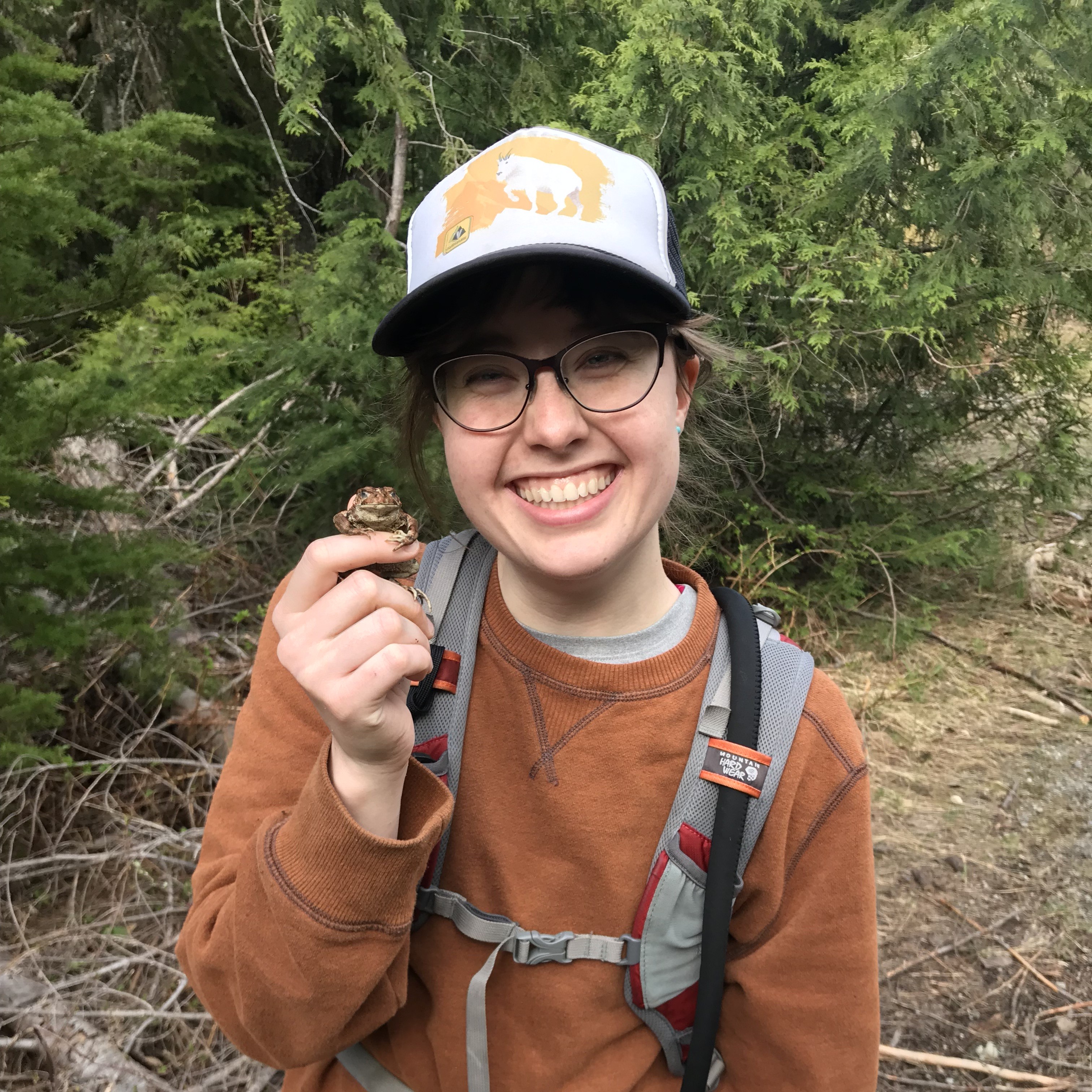
Originally from the Washington State, Leah received her BSc. in Biology from Linfield College. Leah got her start volunteering for the Washington Department of Fish and Wildlife, and eventually became a technician for several agencies and non-profit organizations. During this time, she worked on a variety of wildlife projects across the western half of North America, including a wide variety of taxa from raptors to snakes to big horn sheep. She developed a keen interest in disease ecology and management working on plague in prairie dogs and white-nose syndrome (WNS) in bats. She received her MSc. Degree in wildlife biology from the University of British Columbia Okanagan, where she studied Yuma and little brown maternity colonies in human-made structures and assisting with WNS mitigation efforts.
An ecologist at heart, Leah’s research interests broadly include the intersection of animal behavior, community dynamics, and disease ecology for management and conservation of wildlife species. Leah’s dissertation aims to quantify contact rates of deer mice to predict transmission dynamics of Sin Nombre Virus (SNV) in the western United States. She is using a variety of modeling techniques to ascertain deer mouse spatial behavior and identify the drivers that might contribute to SNV transmission across several ecosystems, including community interactions like intra-specific and interspecific, predation and grazing.
In her free time, Leah is an avid outdoor recreationist, including alpine hiking and skiing, and dabbles in artistic hobbies like jewelry, crochet and music. Her superpower is defying the laws of vehicle storage by fitting an impossible amount of gear into a surprisingly small car.
Maddy Rowland, PhD Candidate
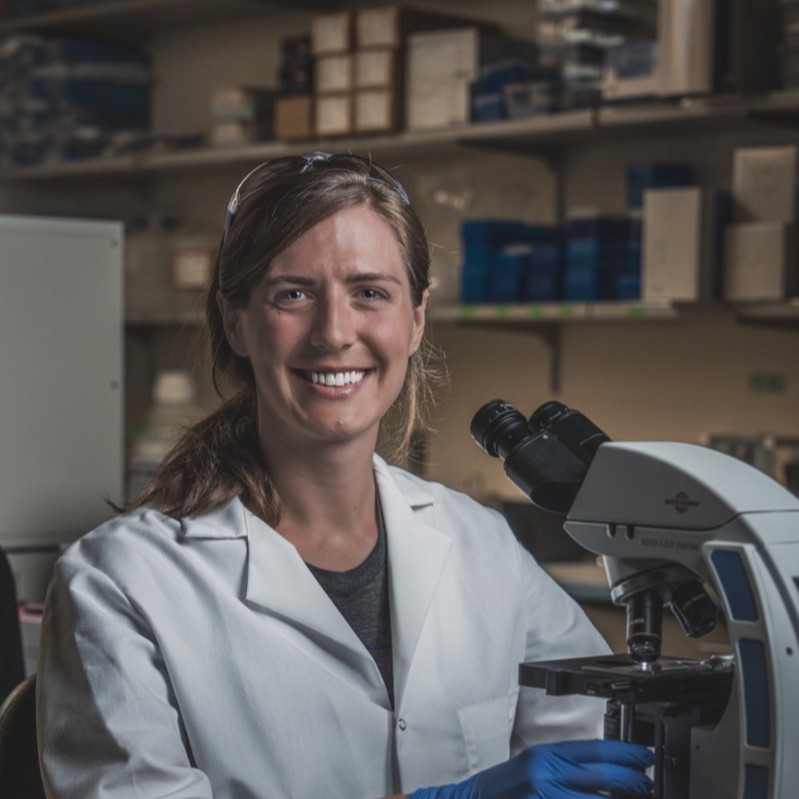
Maddy is interested in understanding species interactions and their consequences for wildlife populations and disease dynamics. After studying predator-prey interactions in the forests of northern Minnesota and Yellowstone National Park, she started to wonder how parasite species might interact within their shared host. She is particularly interested in how within-host parasite interactions influence host populations and disease transmission over time. Maddy’s research in the Luis Population and Disease Ecology Lab addresses these questions by studying parasite co-infections in the deer mouse-Sin Nombre virus model system. More broadly, she is interested in wildlife disease ecology and in developing field, laboratory, and statistical modeling approaches to address her questions about wildlife disease dynamics.
Mya Asanovich, Lead Research Technician
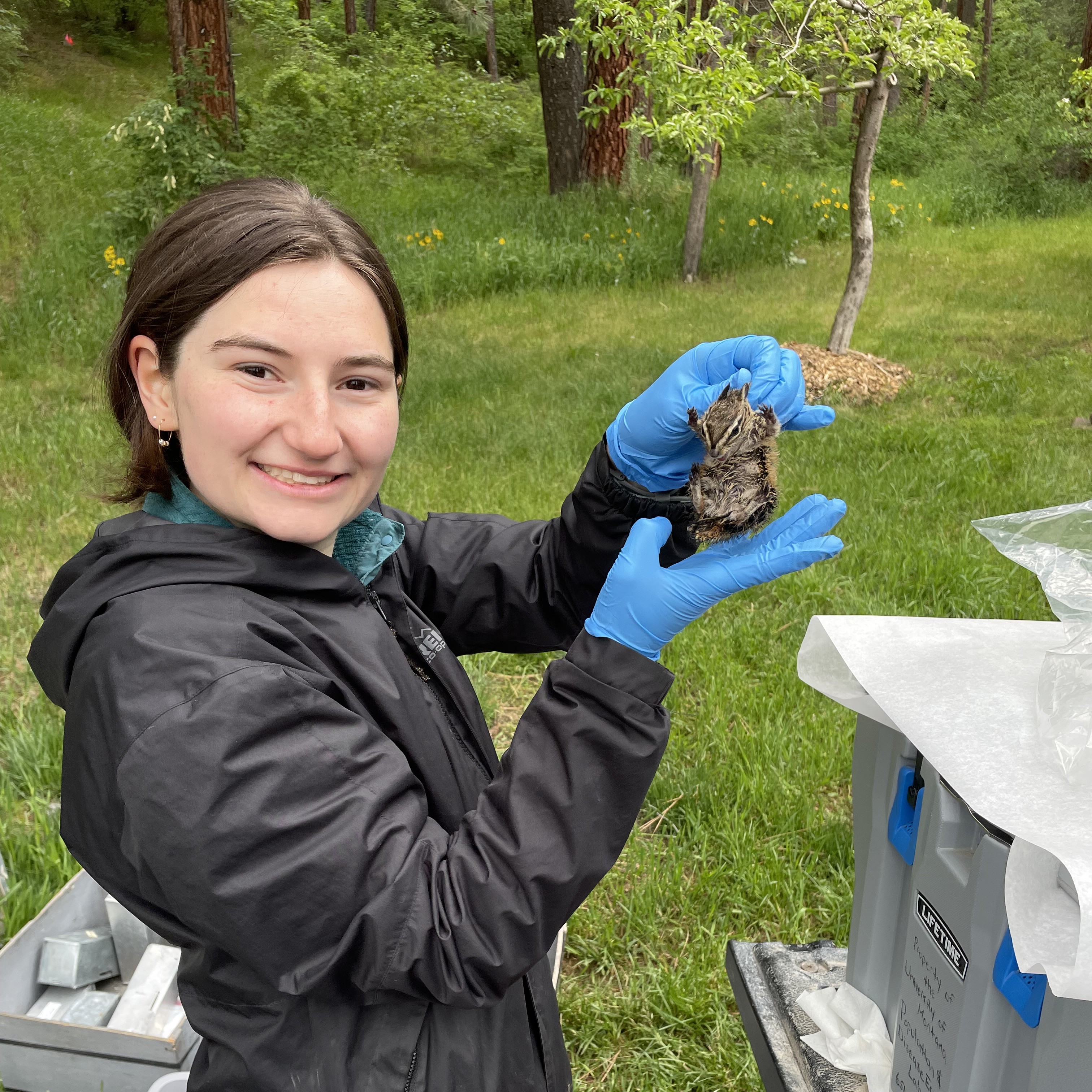
Mya Asanovich is a fourth-year undergraduate student pursuing a degree in Wildlife Biology and a minor in Climate Change Studies. She has spent three years working in the lab and one summer in the field, assisting Maddy Rowland's research. She is working towards her senior thesis investigating the connection between the reproductive status of female deer mice and parasite load.
Mya was born and raised in Missoula, MT, and stayed for the University of Montana’s wildlife biology program. Growing up in Montana, she was exposed to the natural world and wildlife, which inspired her to pursue a degree working with animals. She is currently looking into pursuing a graduate degree and is excited about what opportunities await her.
Skylar Nelson, Lead Research Technician
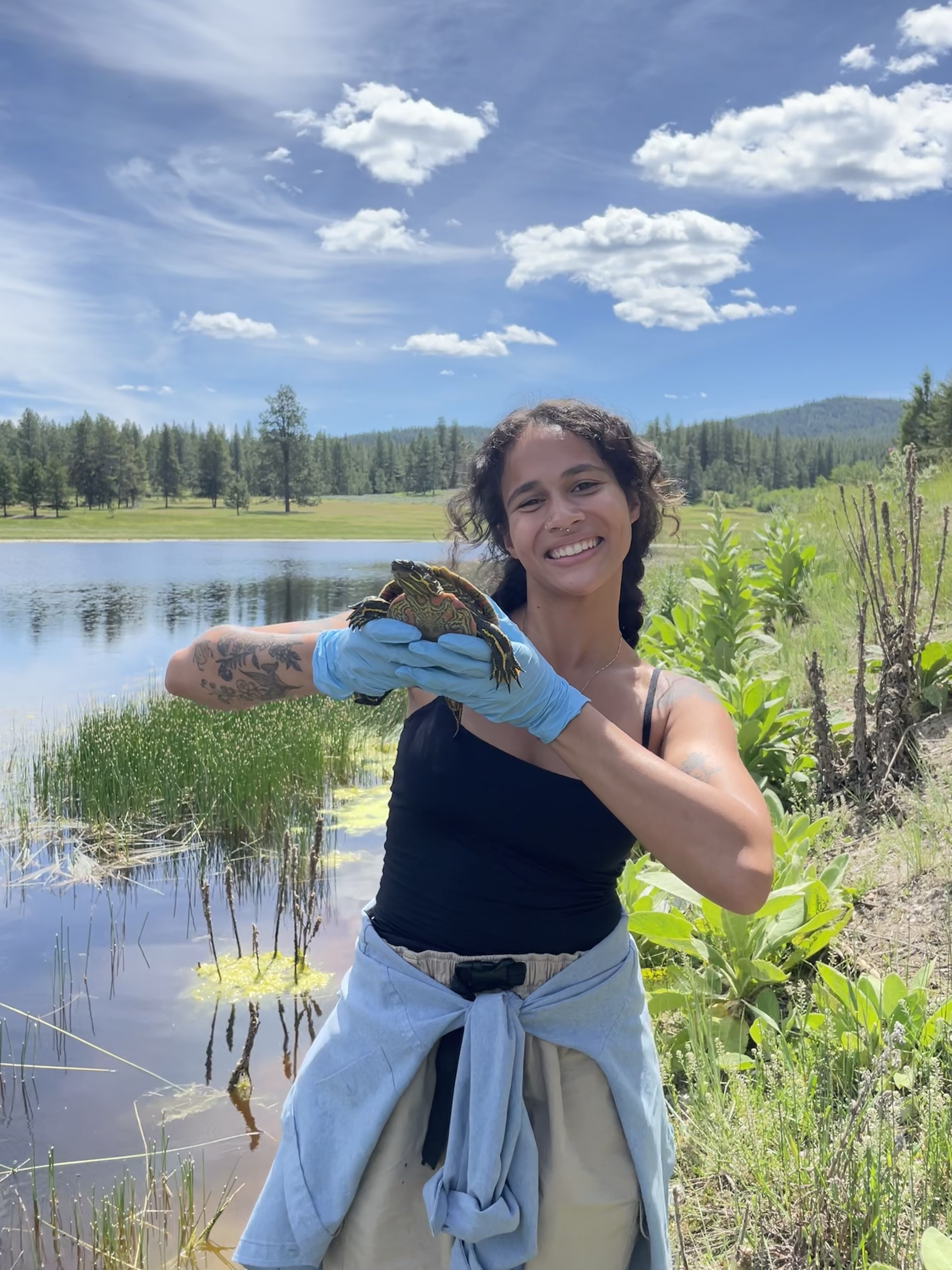
Skylar Nelson is an undergraduate senior in the Wildlife Biology program who joined the lab at the end of her junior year in addition to volunteering in other labs on campus. Originally from Augusta, GA, she has been passionate about conservation and environmental science since grade school. Her interest in bats and how their populations are affected by disease and anthropogenic changes is what drew her towards the Luis Lab. As she finishes up her degree and starts thinking about graduate research, she is finding that she enjoys learning more about genomics and how it plays a role in conservation of wildlife populations.
Past Lab Members
Dr. Andreas Eleftheriou, Ph.D. student
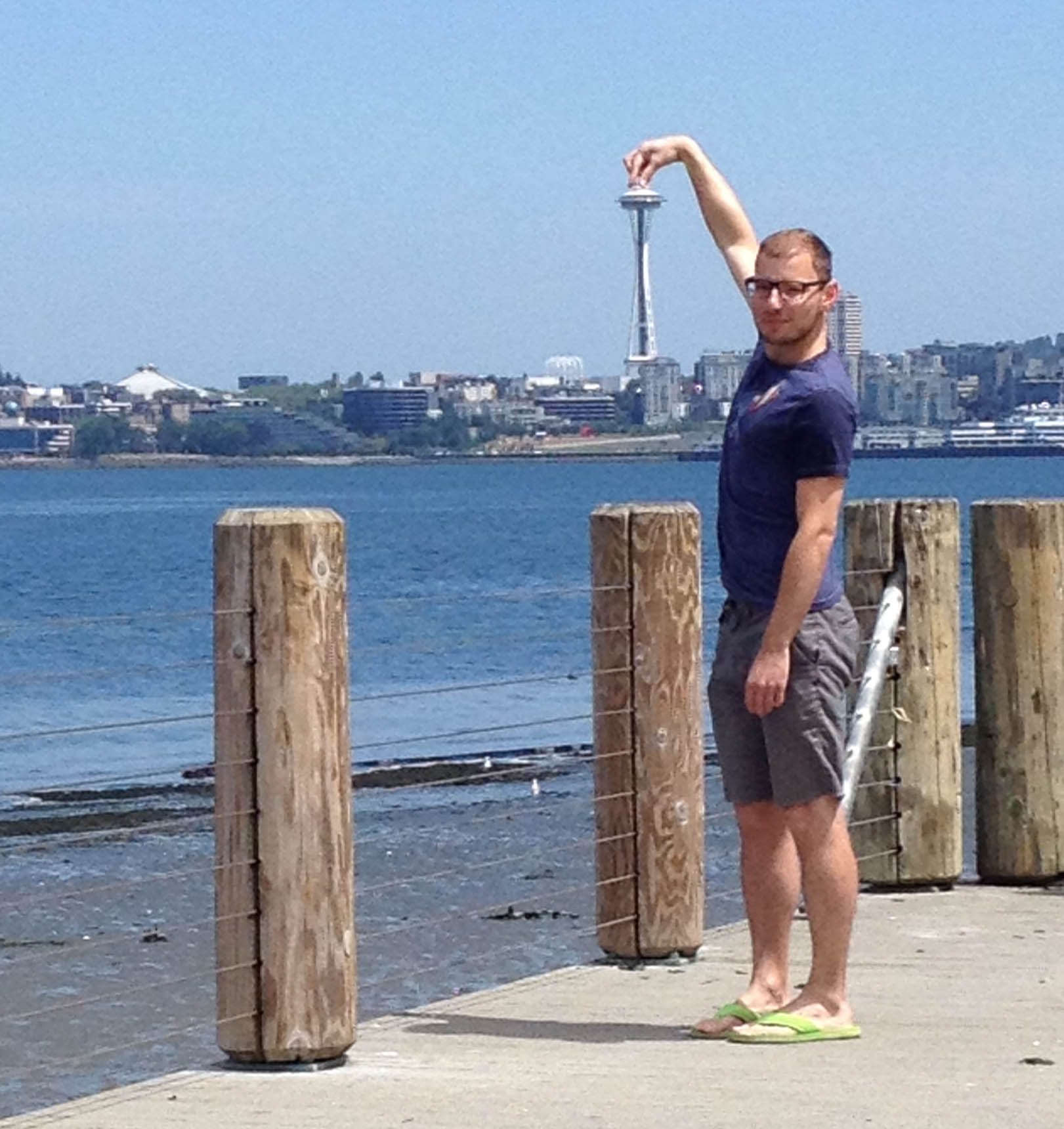
Andreas is generally interested in wildlife disease ecology, ecotoxicology, and conservation medicine. He decided to pursue and expand on his research interests by joining the Luis lab while he employs his veterinary knowledge and skills. His dissertation research aims to characterize the effects of stress and biodiversity on the prevalence of pathogens in wildlife species by using the deer mouse-Sin Nombre virus system as a model disease system. Andreas is particularly interested in combining field, laboratory, statistical and modeling work in his research.
Andreas came to UM from the Northeast USA, but he is originally from Cyprus. He received a B.A. in Biology with a specialization in Ecology and Conservation Biology from Boston University. Subsequently, he received an M.S. in Biological Sciences from the University of Massachusetts-Lowell and a D.V.M. from Cummings School of Veterinary Medicine at Tufts University where he pursued his interests in exotic pet, wildlife and conservation medicine. After a one-year veterinary training internship at the University of Pennsylvania’s Matthew J. Ryan veterinary hospital, he went on to work briefly as a Faculty Associate at Elmira College. He is now a Ph.D. candidate in Wildlife Biology in Dr. Luis’ laboratory at UM. Email: andreas_dot_eleftheriou_at_umontana_dot_edu
See his thesis here: https://scholarworks.umt.edu/etd/11742/
Emily Weidner, M.S. student

Broadly, Emily is interested in wildlife disease epidemiology and the ecology of zoonoses. Her work in the Luis Lab centers around a large dataset from the southwestern United States, where she is examining potential environmental drivers for deer mouse (Peromyscus maniculatus) survival. Her work fits into the larger context of the deer mouse Sin Nombre virus-system, where deer mouse demography plays important roles in disease transmission dynamics.
Emily is originally from Iowa but has lived in Bend, Oregon, for the past 11 years. She received a BS in Fish and Wildlife Science from Oregon State University with a specialization in wildlife management and habitat conservation. Immediately after graduation, Emily spent time with the US Forest Service and the Bureau of Land Management before starting graduate school at the University of Montana. In addition to graduate school, Emily works for US Fish and Wildlife Service as a wildlife biologist. The core species with which she works include greater sage-grouse, golden eagles, wolves, forest mesocarnivores, spotted owls, and bats. In her free time, Emily enjoys wildlife photography, visiting remote locales, fly-fishing, geeking out on taxonomy, and hiking with her German shorthaired pointer, Hintza.
See her thesis here: https://scholarworks.umt.edu/etd/11654/
T.J. Clark, Ph.D. student
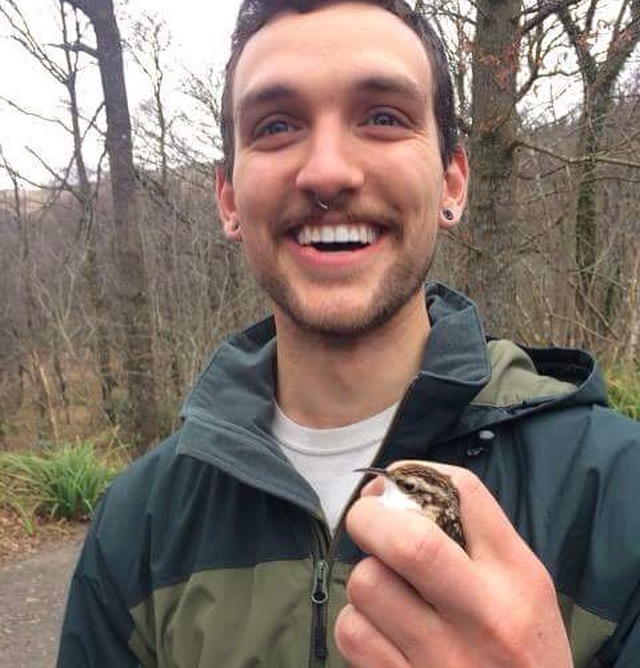
T.J. was born in Martinsburg, Pennsylvania and found an interest in wildlife while hiking and exploring the valleys and mountains of the Appalachians with his dad. He completed his degree in Zoology and Neuroscience at Ohio Wesleyan University in 2015, where he studied the invasive New Zealand mud snail in the Great Lakes’ region. T.J. then moved abroad to bonnie Scotland where he completed his Masters in Ecology at the University of Glasgow with Ewan Wakefield and Jason Matthiopoulos. His thesis focused on developing habitat and occupancy models to conserve and manage the threatened sooty shearwater in the Falkland Islands. T.J.’s current research is focusing on developing predator-prey population models of large carnivores and ungulates in multi-predator, multi-prey systems with the Idaho Department of Fish and Game. In his free time, T.J. enjoys trail running, cooking vegan food, cross country skiing, expanding his record collection, and birding.
Email: tjclark1873@gmail.com
Twitter: @teejclark1873
Rachel Throckmorton, Research Technician
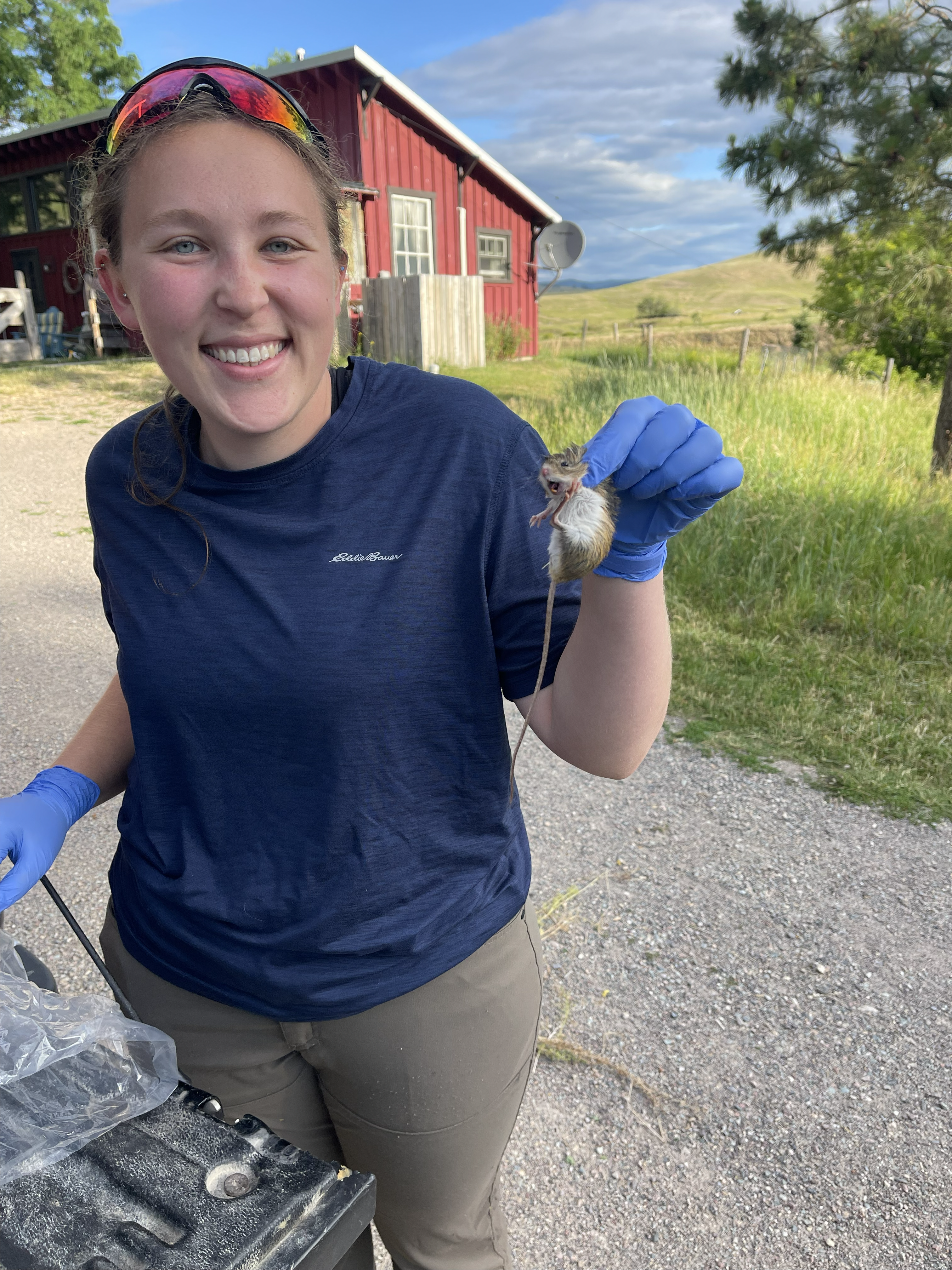
Rachel Throckmorton recently graduated with honors from the University of Montana with a B.S. in Wildlife Biology and a minor in Ecological Restoration. She was also a member of the Davidson Honors College. During her undergraduate studies, she spent two summers as a field technician and one summer as a laboratory technician in the Luis Lab, where she developed a keen interest in wildlife disease ecology and research. For her senior thesis, she investigated how individual and environmental covariates impact the immune response of deer mice in western Montana.
Rachel is originally from Newman Lake, Washington where she grew up constantly seeing wildlife in the backyard. This ultimately sparked her interest in wildlife and influenced her decision to have a career focused on conservation. She is currently in the process of applying to be a game warden but in the future hopes to continue her education in wildlife disease and conservation.
See her thesis here: https://scholarworks.umt.edu/utpp/596/
Iris McKean, Research Technician
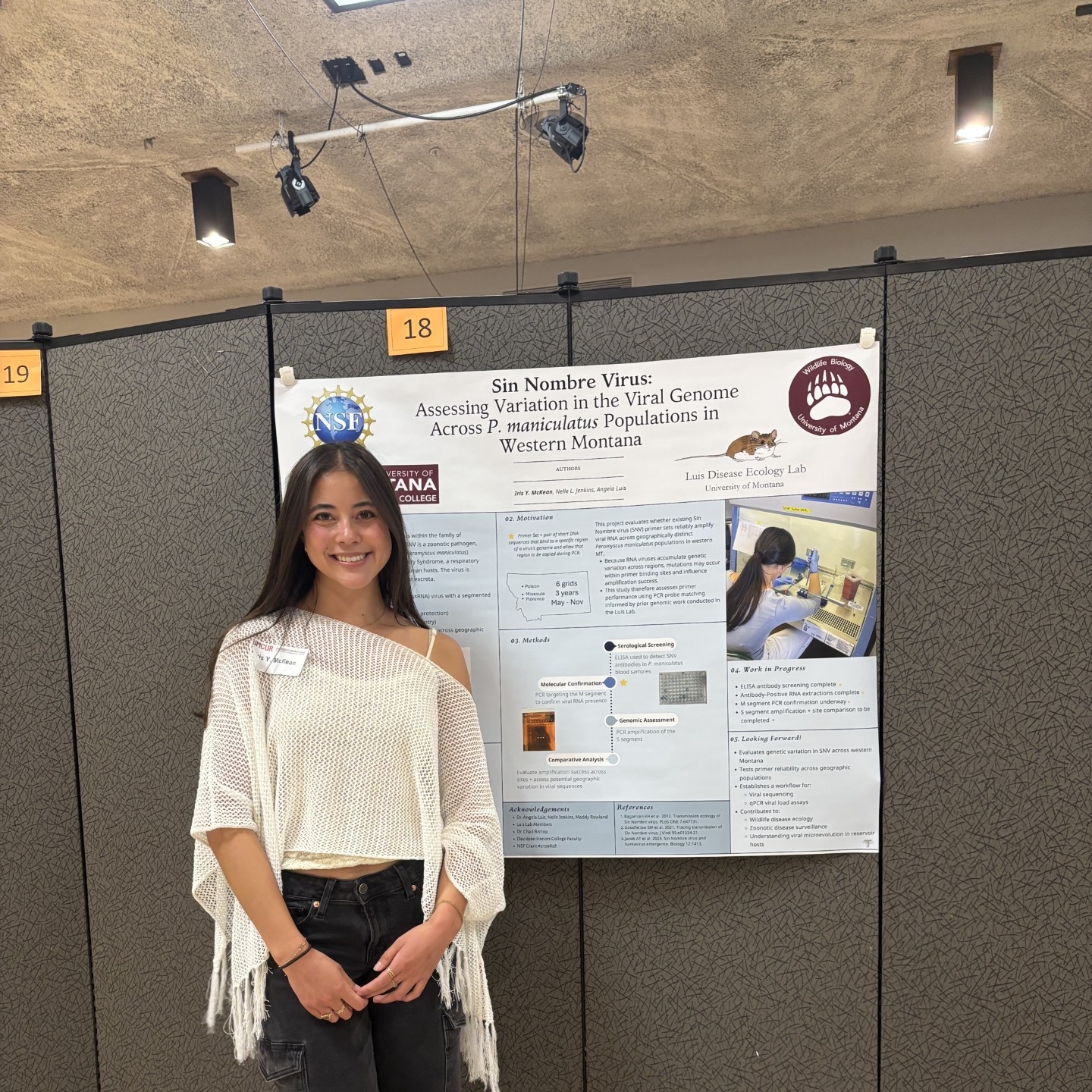
At the University of Montana, Iris McKean studied Wildlife Biology on a Pre-Medicine academic track and developed an interest into how infectious pathogens cross species boundaries during zoonotic spillover events, particularly between wildlife and humans. Beyond her studies and undergraduate research, she was a member of the Davidson Honors College and competed for the Grizzlies as a student-athlete on the cross-country and track teams.
With the Luis Lab, Iris worked on an honors capstone with PhD student Nelle Jenkins to investigate how the SNV viral genome varies across isolated deer mouse populations throughout western Montana. She grew more passionate about understanding how the population-level science of disease transmission can be informed by underlying molecular and immunological processes.
Iris will be pursuing graduate studies in Biomolecular Engineering & Bioinformatics at UC Santa Cruz, where her research will use protein engineering to investigate how viral surface proteins interact with human and wildlife immune systems in the context of zoonotic spillover.
See her thesis here: https://scholarworks.umt.edu/umcur/2026/pmposters/8/
Leah Joyce, Ph.D. student
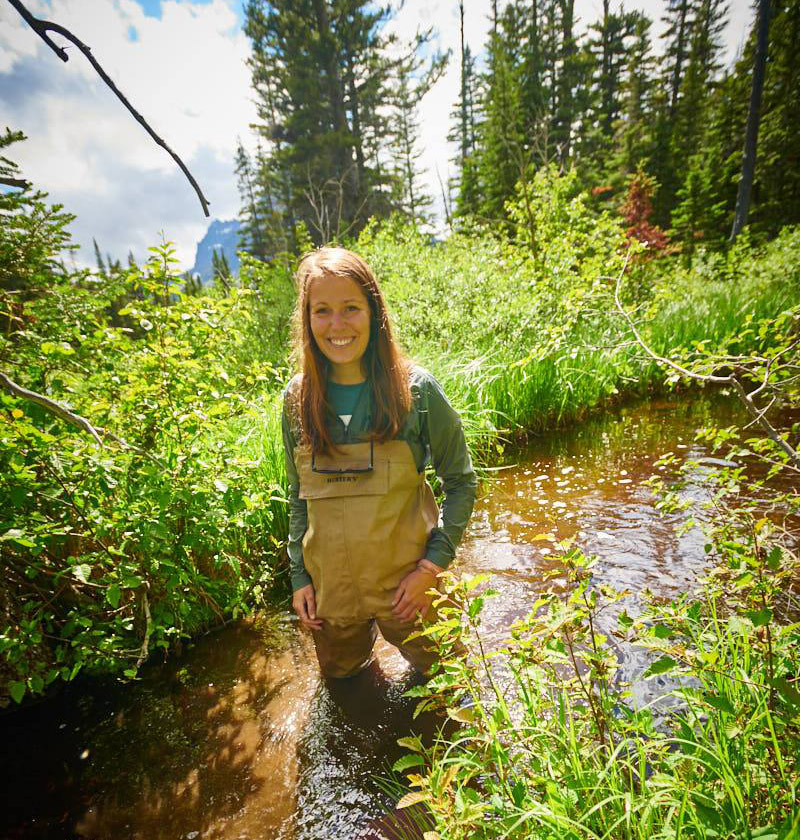
Leah is broadly interested in the ecology of emerging infectious wildlife diseases. Her research focuses on measuring and modeling various habitat and community-level factors that shape infection dynamics and allow them to persist as an endemic, specifically with chytrid fungus infections in amphibians. She is currently working with the USGS National Wildlife Health Center to understand the accuracy of water filtering detection techniques and how they compare to the traditional amphibian skin swabbing techniques. She is a NSF Graduate Research Fellow and a Glacier National Park Conservancy Research Fellow. In addition to her dissertation research, Leah monitors chytrid fungus in amphibian populations in western Montana with the USGS.
Originally from Ohio, Leah received a B.S. in Marine Science and Biology from the University of Tampa and attended the University of South Florida for a year in the Integrative Biology master’s program. In the past, Leah's research has focused on non-amphibian hosts of chytrid fungus and ecotoxicology. In her free time, Leah enjoys hiking with her dog, mountain biking, backpacking, skiing, and taking road trips to towns where she can visit new breweries and distilleries.
Sarah Twoteeth, M.S. student
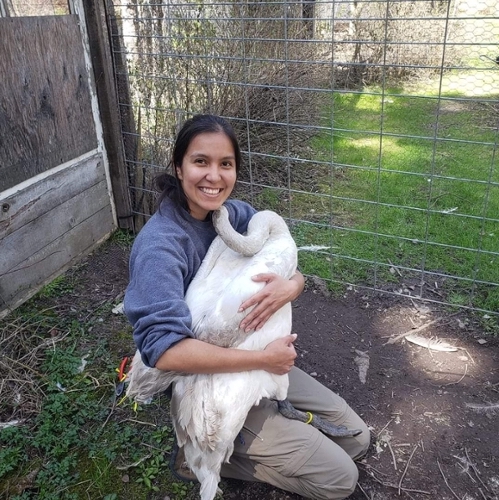
Sarah is a member of the Confederated Salish & Kootenai Tribes, and she has lived on the Flathead Indian Reservation for majority of her life. The Mission mountains are sacred to the CSKT people and the Mission’s are important to the elders, Sarah, and their cultural way of life. Her belief system is what drives her ambition and passion to ensure wildlife remain on the landscape.
She completed her associate degree in hydrology & bachelor’s degree in Wildlife & Fisheries at the Salish Kootenai College in 2019, where she studied wintering bats at hibernations sites (1 cave & 4 mines) on the Flathead Indian Reservation using bat acoustic detectors. Sarah’s current research focuses on how competition affects contact rates of deer mice (Peromyscus maniculatus) in outdoor enclosures under different densities and in the presence of voles (dominant competitor). Sarah is a UM SIGP graduate fellow and a wildlife biological trainee for CSKT.
In Sarah’s free time she enjoys baking sweets, making wine, being in the outdoors camping, hiking, swimming, and berry picking with family and friends.
Parker Todd, Undergraduate Thesis Student
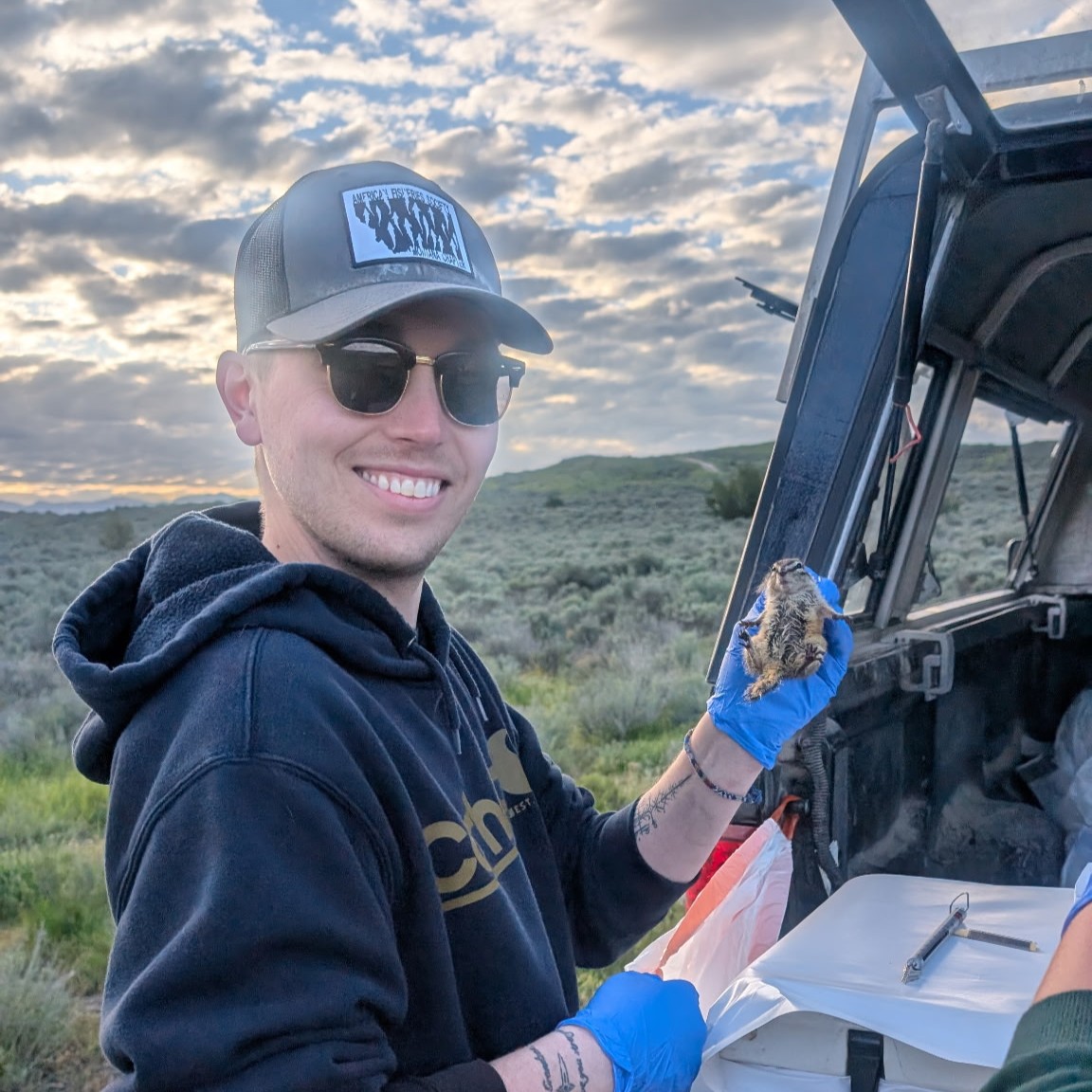
Parker recently graduated from the University of Montana with a B.S. in Wildlife Biology. During his time as an undergraduate at UM, he spent two years as a disease research technician in the Luis Lab, where he developed interests in wildlife disease ecology, host-parasite interactions, and the ecological factors that influence disease transmission in wildlife. His research focused on small mammals and their ectoparasites, which included investigating the ecological factors that influence flea parasitism on deer mice for his undergraduate thesis.
Parker is particularly interested in understanding how environmental conditions and host characteristics influence wildlife health and disease dynamics. He hopes to continue working in wildlife disease ecology and pursue opportunities that combine field-based research, laboratory techniques, and quantitative analysis.
Born in South Dakota but raised in Las Vegas and Kansas City, Parker went on to play junior hockey in several cities across the United States, including Missoula, where he developed his love for wildlife and the outdoors. Outside of the lab, he enjoys golfing, fishing, and exploring the outdoors. He hopes to continue building a career in wildlife disease ecology while pursuing opportunities that allow him to combine his interests in wildlife, research, and conservation.
See his thesis here: https://scholarworks.umt.edu/utpp/595/