
MPHTC Staff

Tony Ward, Executive Director
Tony Ward, PhD, is a Professor in the School of Public and Community Health Sciences at the University of Montana. He serves as the Executive Director of the Montana Public Health Training Center (MPHTC) and the Director of the Montana Clinical and Translational Research Center (MCTRC), a high-impact research hub dedicated to addressing health disparities across the state. Dr. Ward holds a doctorate in Chemistry and has spent over two decades leading community-engaged research in rural and indigenous communities throughout the northern Rockies.
As the lead of the $11 million MCTRC, Dr. Ward coordinates statewide partnerships to solve pressing health issues in Montana's most isolated regions. His work is central to stakeholder support and dashboard reporting strategy, as he bridges the gap between academic research and actionable public health policy. Dr. Ward regularly collaborates with the Montana Department of Public Health and Human Services (DPHHS) on workforce development and state health improvement initiatives, providing the high-level coordination necessary to modernize and strengthen Montana's public health systems.

Kristen Cram, Technical Assistance Manager
Kristen Cram, a Missoulian, earned a Bachelor of Science in microbiology from Montana State University in 2020 and dual master’s degrees in public health and public administration from the University of Montana in 2023. Following graduation, she joined the University of Montana’s REACH program as a program manager and, in June 2025, accepted the role as Prevention Specialist Technical Assistance Manager with the University of Montana Technical Assistance Center.

Aimee Elliott, Operations & Fiscal Manager
Aimee Elliott serves as Fiscal Manager for the Montana Public Health Training Center and is the current Operations and Fiscal Manager for the Montana Clinical and Translational Research Center. She has worked at the University of Montana for 18 years and brings a diverse professional background spanning academia, program and curriculum development, workforce training, and adult education. Aimee also holds a master’s degree in Hospitality Management and previously worked as a trained and certified chef, teaching culinary and food service education. She is passionate about problem solving, operational excellence, and lifelong learning.
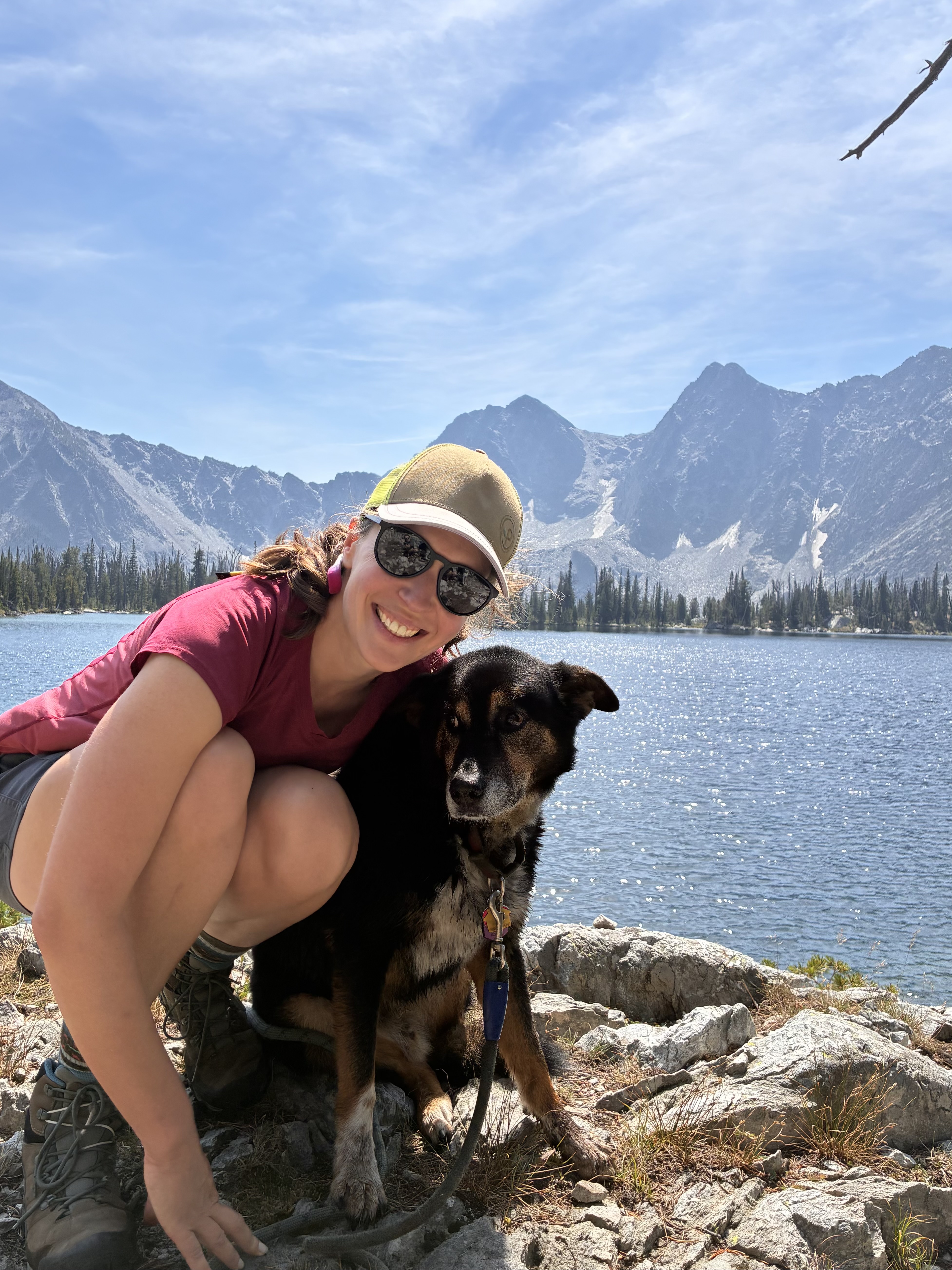
Maria Hamm, Technical Assistance Manager
Maria Hamm has worked in the Public Health field for over a decade with a focus in adolescent health and sexual and reproductive health. She received her MPH as a Bloomberg Fellow from Johns Hopkins University. Her passion for training and education led her to working with the University of Montana Technical Assistance Center.

Todd Harwell, Research Specialist
Originally from Akron, Ohio, Todd came to Montana in 1997 to work in public health at the Department of Public Health and Human Services (DPHHS). In his 27-year career at DPHHS he worked in a number of roles, most recently in leadership as the Administrator of the Public Health and Safety Division. He received his master’s degree in Public Health (Epidemiology) from the University of Pittsburgh and Undergraduate degree from The University of Akron (Biology/Microbiology). He has three sons and enjoys hiking/backpacking, fishing and playing music.

Greg Holzman, Research Specialist
Dr. Greg Holzman moved to Montana from Michigan to become the State Medical Officer for the Montana Department of Public Health and Human Services. In 2021, he decided to step down from this position and started working as a consultant. Greg has worked in medical and residency education, clinical care, research, and public health. Dr. Holzman is board-certified in both family medicine and preventive medicine. A graduate of the University of Florida's College of Medicine, he completed his family medicine residency at Carolinas Medical Center in Charlotte, North Carolina, and his preventive medicine residency at the University of Washington in Seattle, Washington.
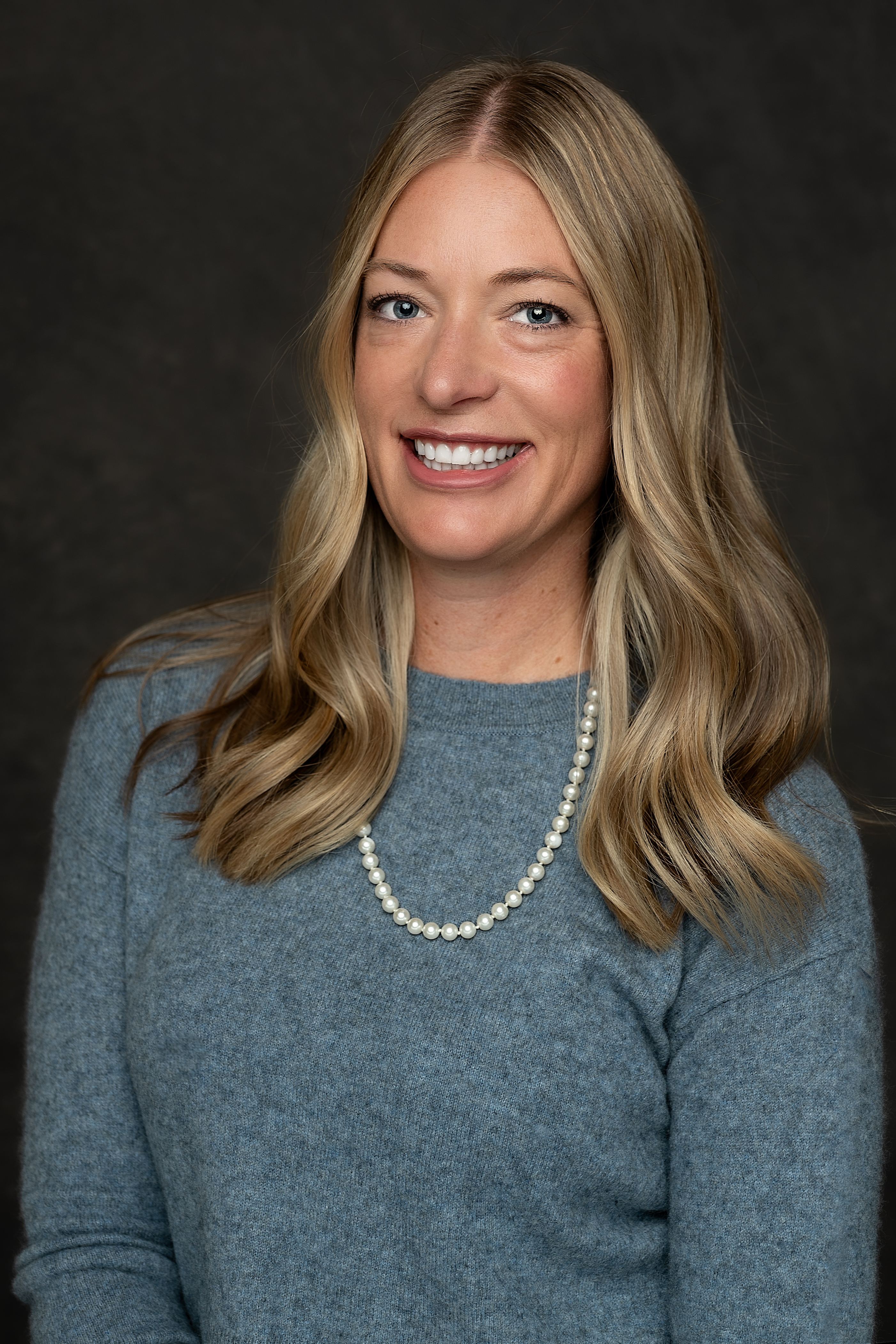
Anna Kiley, Manager of School-based Programs and Partnerships
Anna Kiley, MEd, is the Manager of School-Based Programs and Partnerships at the University of Montana, where she leads initiatives that connect public health, education, and community engagement. Her work focuses on expanding public health learning opportunities for K-12 students and educators across Montana and our region through programs such as the Public Health in Schools initiatives and the NIH-funded SPARK (Students Participating in Air Research and Knowledge Translation) program. A former middle and high school science teacher, Anna is passionate about creating meaningful educational experiences that inspire the next generation of public health leaders.

Shari Morin-Degel, Wellness Program Director
Shari Morin-Degel is the Wellness Program Director in the Montana Public Health Training Center. She is a Licensed Professional Counselor and former nonprofit executive with over 20 years of experience in mental health leadership. She is the creator of My Work BALANCE, a burnout prevention program that combines in-person training, ongoing mentorship, and digital tools to support sustainable cultural transformation. Her trauma-informed, CBT-based approach equips both individuals and organizations to reduce stress and build high-performing, fulfilling work environments. Shari specializes in supporting professionals and leaders in health and human service fields. Her work is rooted in the belief that burnout is not a personal failure, it’s a call for systemic and personal change.
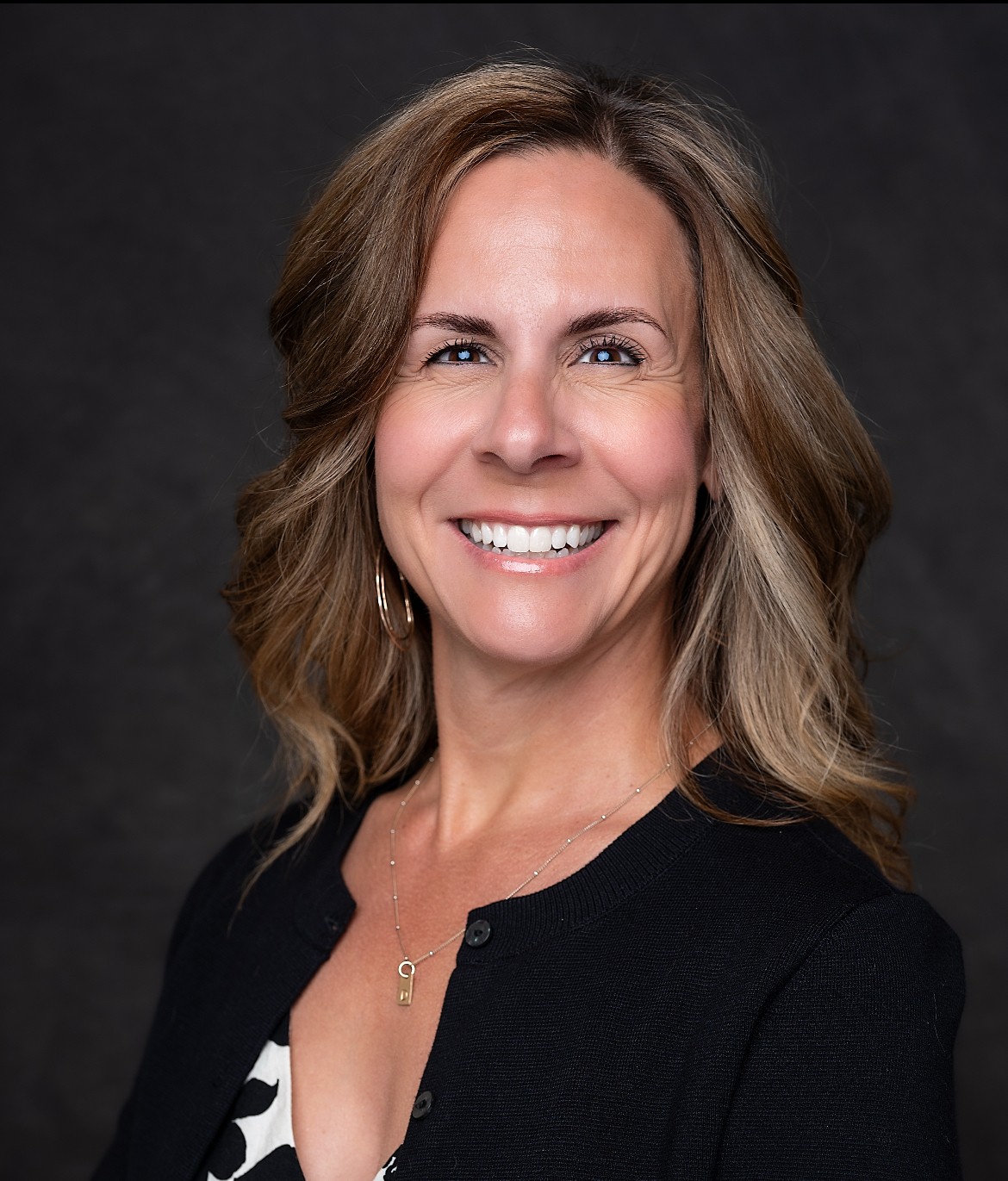
Desiree Restad, Training Development Manager
Desiree Restad, Training Development Manager, brings more than two decades of experience working alongside Tribal and rural communities in southeastern Montana. She is currently pursuing a PhD in Indigenous and Rural Health at Montana State University and has developed and led community-informed health programs grounded in relationship, trust, and collaboration. Her work centers on prevention education, workforce wellbeing, and building meaningful partnerships that support healthier communities.
Desiree holds a Bachelor of Science in Health Promotion from Montana State University Billings and a Master of Public Health from the University of Montana. She is passionate about helping people and programs work together in ways that improve health outcomes, strengthen community voice, and reduce health disparities.