Undergraduate Research
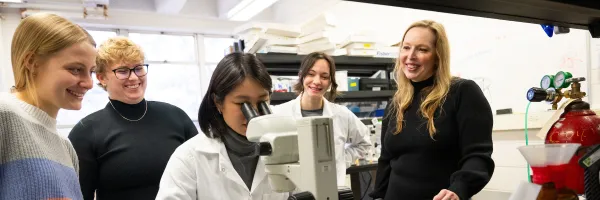
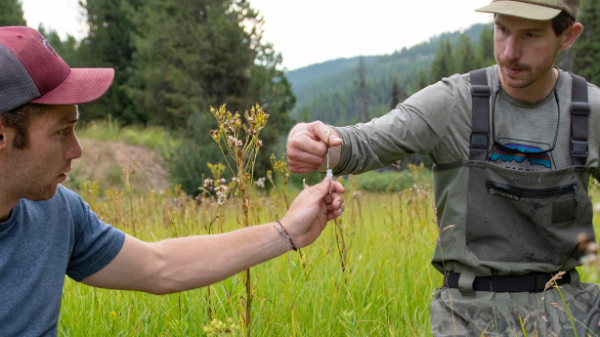
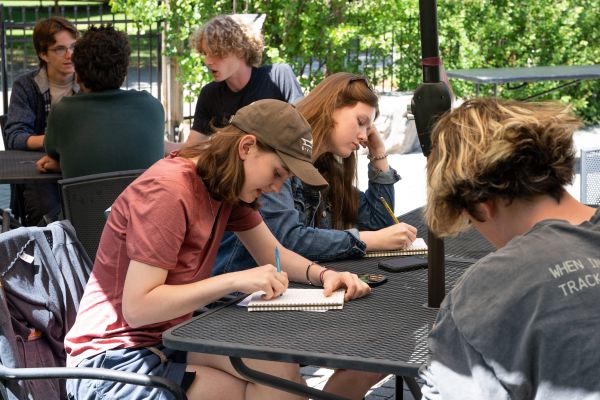
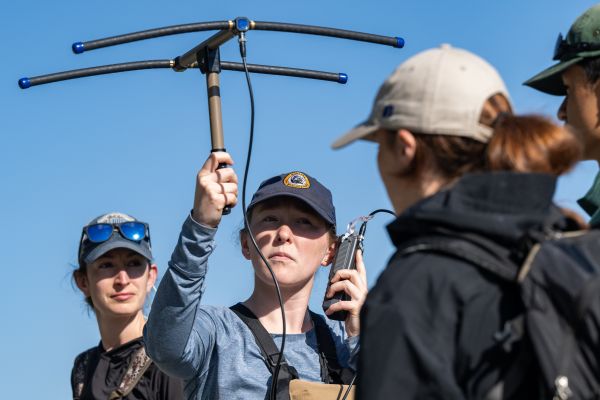
The Office of Undergraduate Research (OUR@UM) supports UM undergraduate projects across the disciplines, using a broad understanding of research that encompasses scholarly and creative work in STEM, arts, social sciences, humanities, and professional schools. OUR@UM provides advising and support at all project phases, from first developing a research question and connecting with a faculty mentor to preparing the final version of a project for sharing publicly.
Research & Creative Scholarship Resources
Whether you are just beginning to explore research and creative scholarship or are already developing a project, OUR provides resources to help you move forward. Start with one of the three most commonly asked areas below based on where you are in your process:
UMCUR
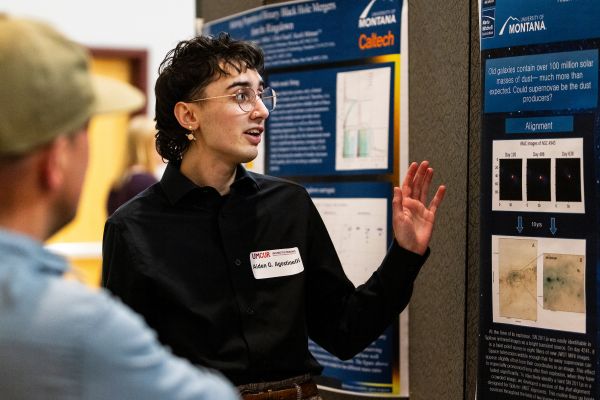
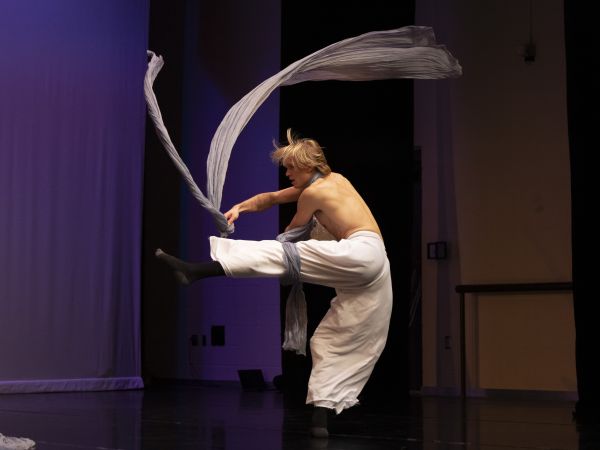
The UM Conference on Undergraduate Research (UMCUR) provides a lively venue for showcasing student research, creative scholarship, and experiential-learning projects. Undergraduates from all academic disciplines and all UM campuses are encouraged to apply and to share their work at UMCUR. Formats and approaches include poster and oral presentations, performances, art exhibits, journalistic reporting reflections, storytelling, and works in progress. Please join UM students, professors, and staff members, as well as community members beyond UM, to honor and learn with undergraduate presenters and performers, as we mark the conference's 26th anniversary!