Integrative Physiology FAQs
-
It prepares students for graduate or professional programs in medicine, physical therapy, occupational therapy, physician associate studies, and chiropractic — as well as direct-entry careers in exercise physiology, personal training, and strength and conditioning.
-
Core content includes human anatomy and physiology, kinesiology, motor control and learning, exercise physiology, exercise metabolism, nutrition, and sport psychology — providing a broad scientific foundation in human movement and health.
-
Students complete supervised practical experiences as part of their degree preparation for entry-level professional work or advanced study. The College of Health also connects students with interprofessional education opportunities alongside pharmacy, physical therapy, social work, and other health professions students.
-
Health and Exercise Science is pre-professional — aimed at students heading toward graduate clinical or research programs.
-
Graduates pursue M.D., D.P.T., D.O., physician associate, chiropractic, and M.S. in Integrative Physiology programs, among others. UM offers an M.S. in Integrative Physiology for students who want to continue at the same institution.
University of Montana Professor Brent Ruby studies movement and the boundaries of what the human body is capable of in his lab, the Montana Center for Work Physiology and Exercise Metabolism.
IPAT Research Centers
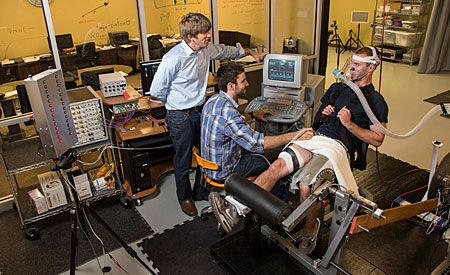
Biomechanics Laboratory
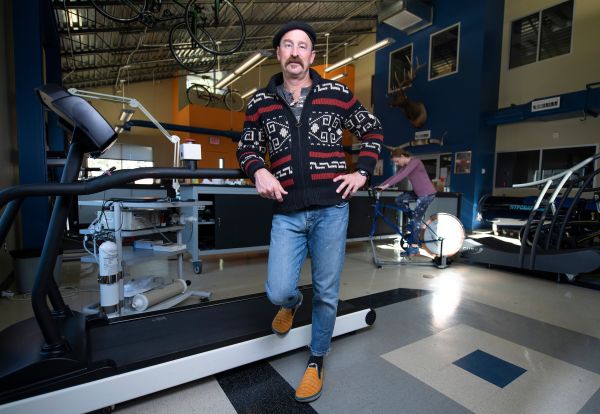
Montana Center for Work Physiology and Exercise Metabolism
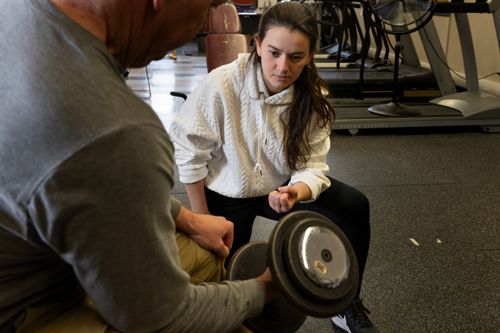
Cardiopulmonary and Cancer Rehabilitation Lab

Montana Youth Sports Safety Institute
Explore Classes in the Integrative Physiology Major
Students in UM's Integrative Physiology - Health and Exercise Science Bachelor of Science program learn to analyze the theoretical foundations of integrative physiology, critically appraise and evaluate current research, conduct valid assessments of physical fitness, movement, and health indicators, effectively communicate health and exercise science concepts and more. Undergraduate courses include Basic Exercise Prescription, Legal and Ethical Issues Health and Exercise Professions, Motor Learning and Control, as well as Human Anatomy and Physiology and more.
See all classes for the bachelor's degree in Integrative Physiology - Health and Exercise Science.