The following resources draw from community-engaged and collaborative engagement across the disciplines.
Resources from the Biomedical Science and Healthcare Fields
Within the biomedical research and healthcare fields, community (or consumer) advisory boards took root amidst the HIV/AIDS epidemic to protect the safety and well-being of human subjects and are designed to build trusting relationships between researchers and communities, align research studies with community concerns and priorities, and ensure that study designs respect participants’ values, cultures, and lived experiences (Green & Mercer, 2001). By engaging lay community members in the research process, community advisory boards help researchers shape questions that are relevant and important to the community they seek to study while also leveraging that community’s knowledge and values to design effective studies.
Resources
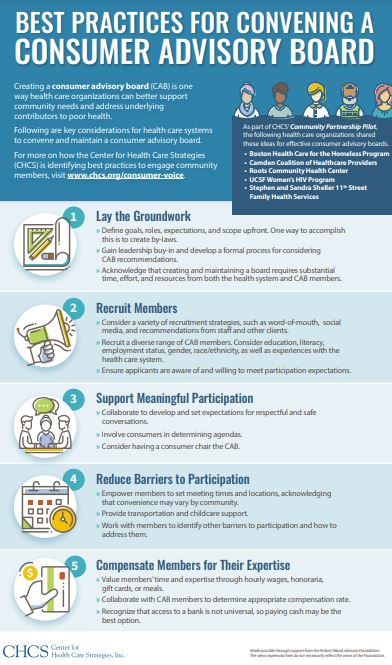
Best Practices for Convening a Community Advisory Board (Center for Health Care Strategies)
While created through a biomedical research lens, this concise guide translates well into other disciplines and includes valuable strategies for ensuring broad, equitable participation in a community advisory group.
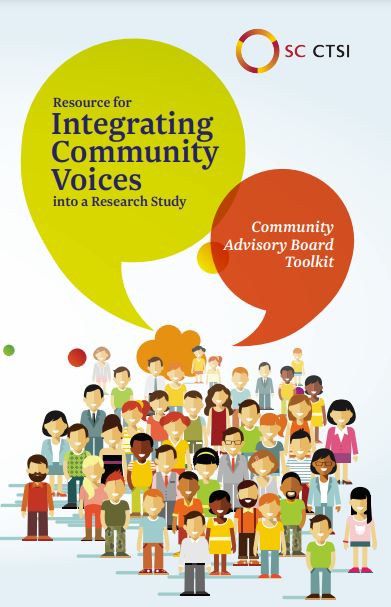
Resource for Integrating Community Voices into a Research Study: Community Advisory Board Toolkit (Kubicek, K. and Robles, M., Southern California Clinical and Translational Science Institute)
This more in-depth resource, grounded in community-based biomedical research, shares useful experiences and recommendations, including a granular checklist for agenda and meeting planning and tips for recruitment and facilitation.
Co-Design Resources
CAGs can be a powerful asset in co-designing broader impacts products and engagement that are relevant to your intended audiences. There are many effective approaches to co-design; below is a sampling of field-tested resources.
Resources
The Big Idea (Beverly Serrell)
This brief and user friendly eBook (purchase required) provides a roadmap to exhibition design through activities, discussion tools, and examples. While PIs and CAGs interested in developing an exhibition will likely want to partner with a museum or other organization with relevant expertise, this guide can be a valuable tool for introducing partners to the design process and contains transferrable ideas and approaches that could be applied to other deliverables.
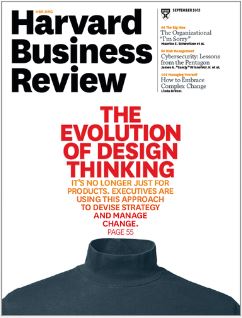
"Design Thinking Comes of Age" (Jon Kolko, 2015)
Written through a corporate lens, this Harvard Business Review piece provides just a snapshot of design thinking. But in brief, digestible form, it outlines strategies--such as prototyping and iterative design--that mission-driven teams can adopt to develop products (or programs or experiences) that meet the needs of their audiences and users.
Case Studies and Lessons Learned from the UM Broader Impacts Group
The University of Montana Broader Impacts Group, with spectrUM Discovery Area, has nearly a decade of experience facilitating and collaborating with community advisory groups in rural and tribal Montana communities. The selected articles below describe approaches, experiences, and impact from these collaborations.
Resources
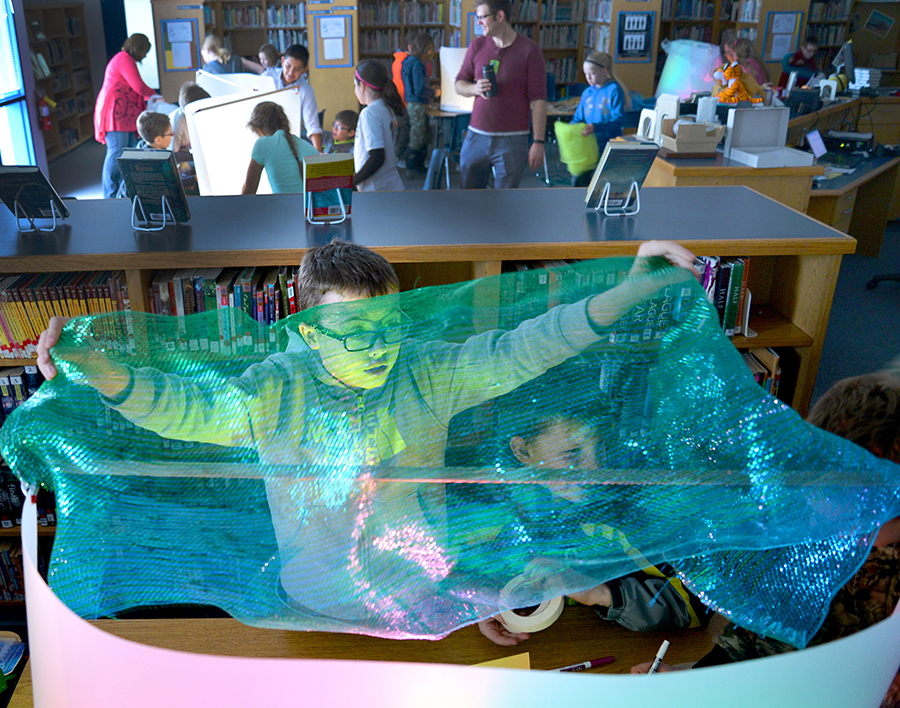
Design Elements from a Rural, Multi-Organization Collaborative: The Bitterroot Valley Learning Ecosystem (Covitt, Mortimer, Wethington, and Wolfram in Connected Science Learning, 2019)
This article, co-authored by partners from the University of Montana and a K-12 school in the rural Bitterroot Valley, takes a deep dive into the experiences and lessons learned through community-based broader impacts collaborations, including with a long-standing CAG.
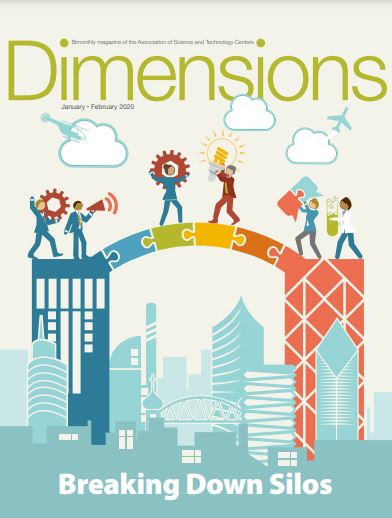
Breaking Down Silos...and Moving in Together (Allred, Brock, Duley, Herbert-Meny, and Wolfram in Dimensions, 2020; reprinted with permission)
The Broader Impacts Group and spectrUM Discovery Area, the University of Montana's hands-on science center, partnered with Missoula Food Bank and Community Center and Missoula Public Library to co-develop EmPower Place, a free, hands-on learning center embedded in the Food Bank. This article documents the collaborative process behind EmPower Place, which was seeded with a National Leadership Grant from the Institute of Museum and Library Services and was recognized in 2019 with a Roy L. Shafer Leading Edge Award for Visitor Experience (small museum category) by the Association of Science and Technology Centers.
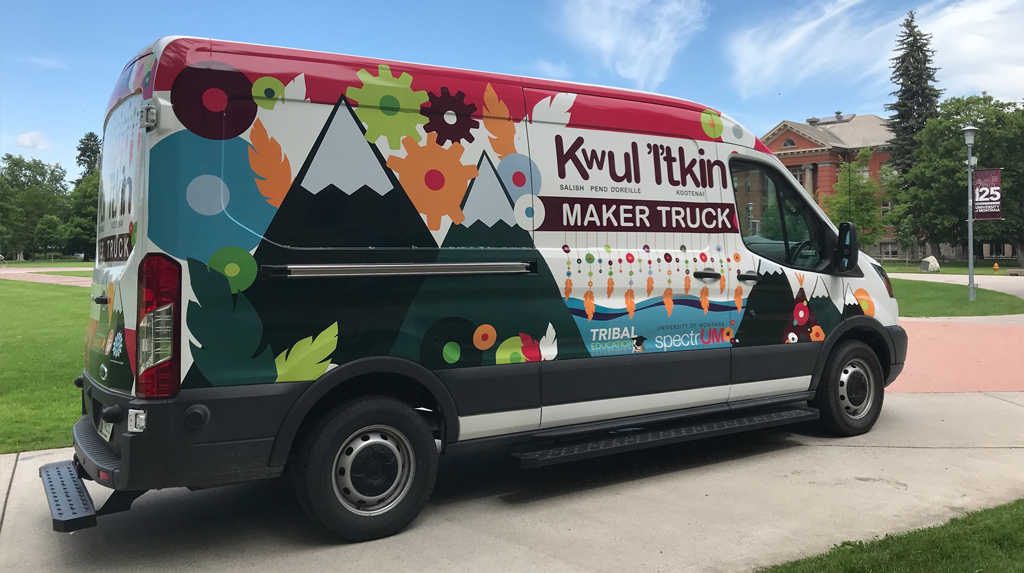
Co-Creating Transformative Change: Making Collective Impact with the Flathead Nation (Swaney, R., Swaney, W., Truitt, Wethington, and Wolfram, 2018)
The University of Montana spectrUM Discovery Area, part of the Broader Impacts Group, has partnered with its SciNation advisory group on the Flathead Indian Reservation since 2014. This article documents the collaborative, culturally responsive approach that spectrUM and SciNation took to co-develop the Kwul 'I'Itkin Maker Truck, a mobile, cultural makerspace funded by the National Science Foundation (EEC1623554).