JULIE WORKMAN - ALUMNI UPDATE
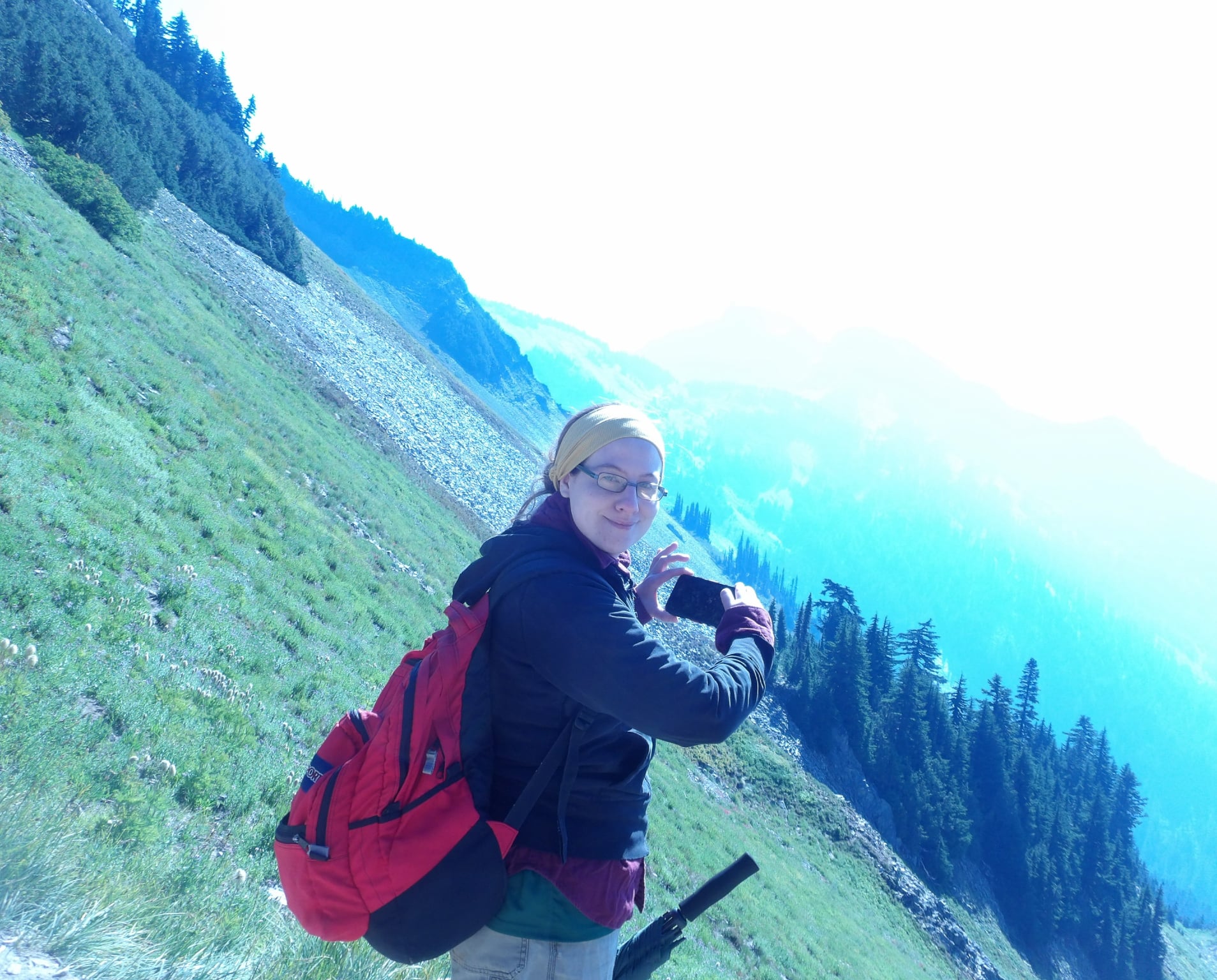
Julie Workman received an MA in Linguistics from the University of Montana in 2013. She currently lives in Seattle, working as a paralegal. We interviewed Julie about her current job and how linguistics training impacts her current work.
1. Please introduce yourself
My name is Julie and I attended the University of Montana's graduate program in linguistics from 2011 to 2013. I earned my Bachelor's in the same field from the University of Pittsburgh. After graduating I moved to Seattle, fell in love with the Pacific Northwest and ended up staying here.
2. What is your job title and what does your job involve?
I am a Paralegal, which broadly means I assist attorneys with managing their cases. At times I handle litigation work like drafting documents, selecting exhibits, and having subpoenas served. I spend most of my time reviewing large volumes of case records, identifying information relevant to the legal questions at issue, and creating resources with this information for attorney reference in their analysis.
3. What was your major/minor at UM? What role did linguistics have in your studies?
I obtained my Master's degree after two years of study with the faculty of UM's Linguistics department. I attended classes that dug deep on topics like syntactic theory, field methodology, historical linguistics, and linguistic anthropology, among others.
4. In what ways does your linguistics training impact your work?
There are so many ways a strong academic background is beneficial in a legal support position, but I think in particular a background in linguistics is an excellent basis for developing skills used on a daily basis, like data management, analysis, and writing. I practiced analytical skills investigating underlying grammatical structures in Syntax. In both Phonology classes and linguistics Field Methodology I reviewed language data sets and was required to create tabulate information I could use to support my analyses. More generally, drafting research papers provided an opportunity to practice my writing, taught me the critical importance of the editing stage, and of course the necessity of good time management in order to get all the work in. Research I was able to do in my Linguistic Anthropology and previous Sociolinguistics courses has informed my career (and my life) by giving me an understanding of how language intersects with politics, culture, history, and law.
5. What advice would you give to someone considering a degree in linguistics?
Linguistics is a very fulfilling area of study for someone interested in the history or structures of languages. Your interest in language will carry you a long way but so will the discipline to buckle down and lock in for many hours. Remember: the ability required to form a hypothesis from data and the ability to present that hypothesis in a structured way are different skills, and you'll be practicing both. Prepare your mind (and your spine) for a lot of reading and writing. My advice to anyone seeking any degree is to remember that rest is a necessary part of work.
6. Please share any other thoughts or comments about your experience studying linguistics at UM.
UM works with speakers of Native languages such as Blackfoot so that linguistics students are able to study these languages, which is an incredible opportunity and an honor. I was also honored to be able to study linguistics with such a knowledgeable group of professors. I was exposed to new ideas and new teaching styles, and feedback that challenged and improved my writing. I frequently reflect on advice I received during my program when writing professionally. The beautiful campus and town were a bonus!