UM Professor’s Book Examines Tensions Between Politics, Farmers, Changing Climate
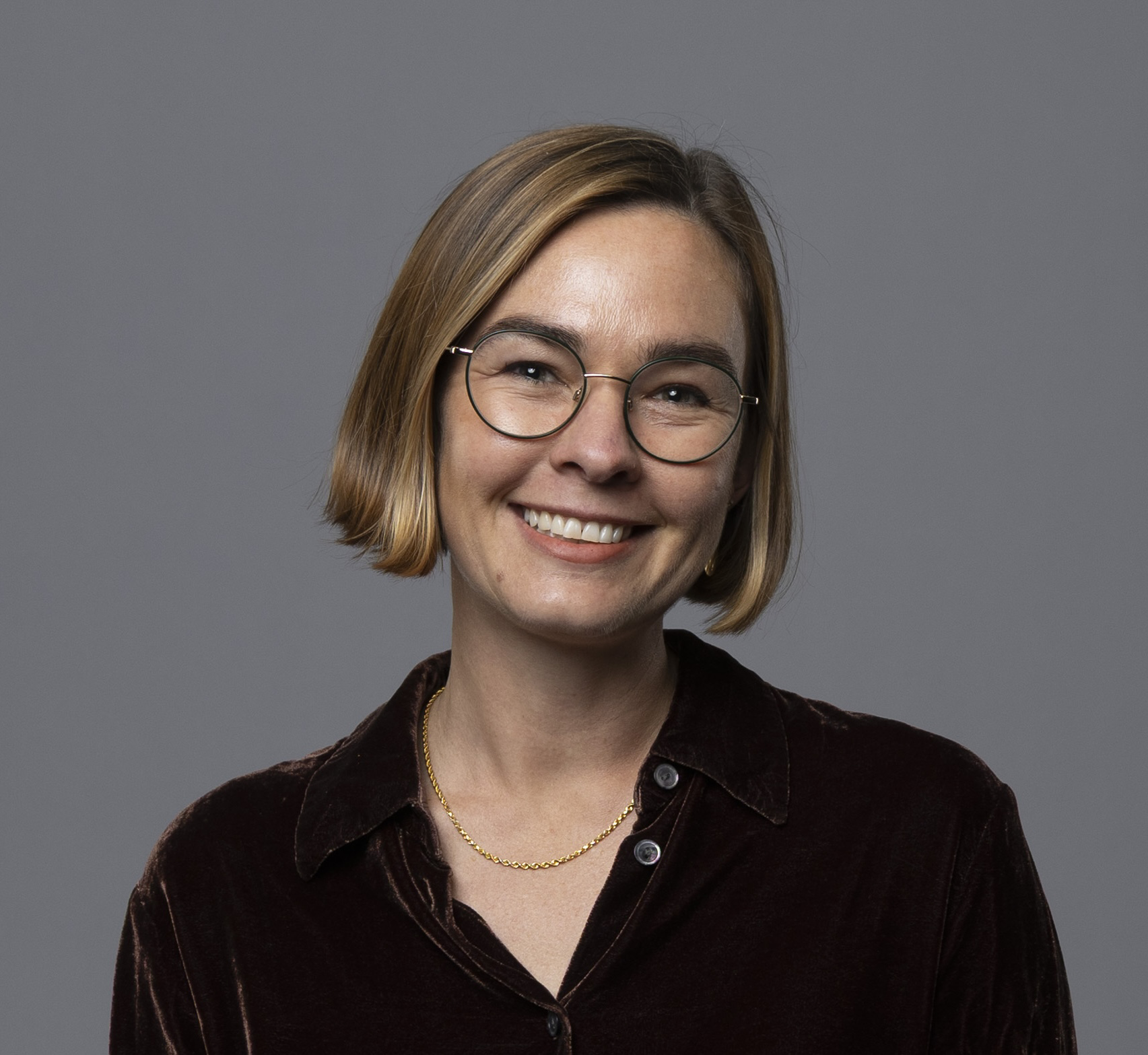
MISSOULA – Margiana Petersen-Rockney grew up on a farm, growing vegetables and raising hogs and chickens. In 2016, she sold her tractor to attend graduate school in California. Now an assistant professor of environmental studies at the University of Montana, she studies climate change and its effect on rural communities like the one she came from.
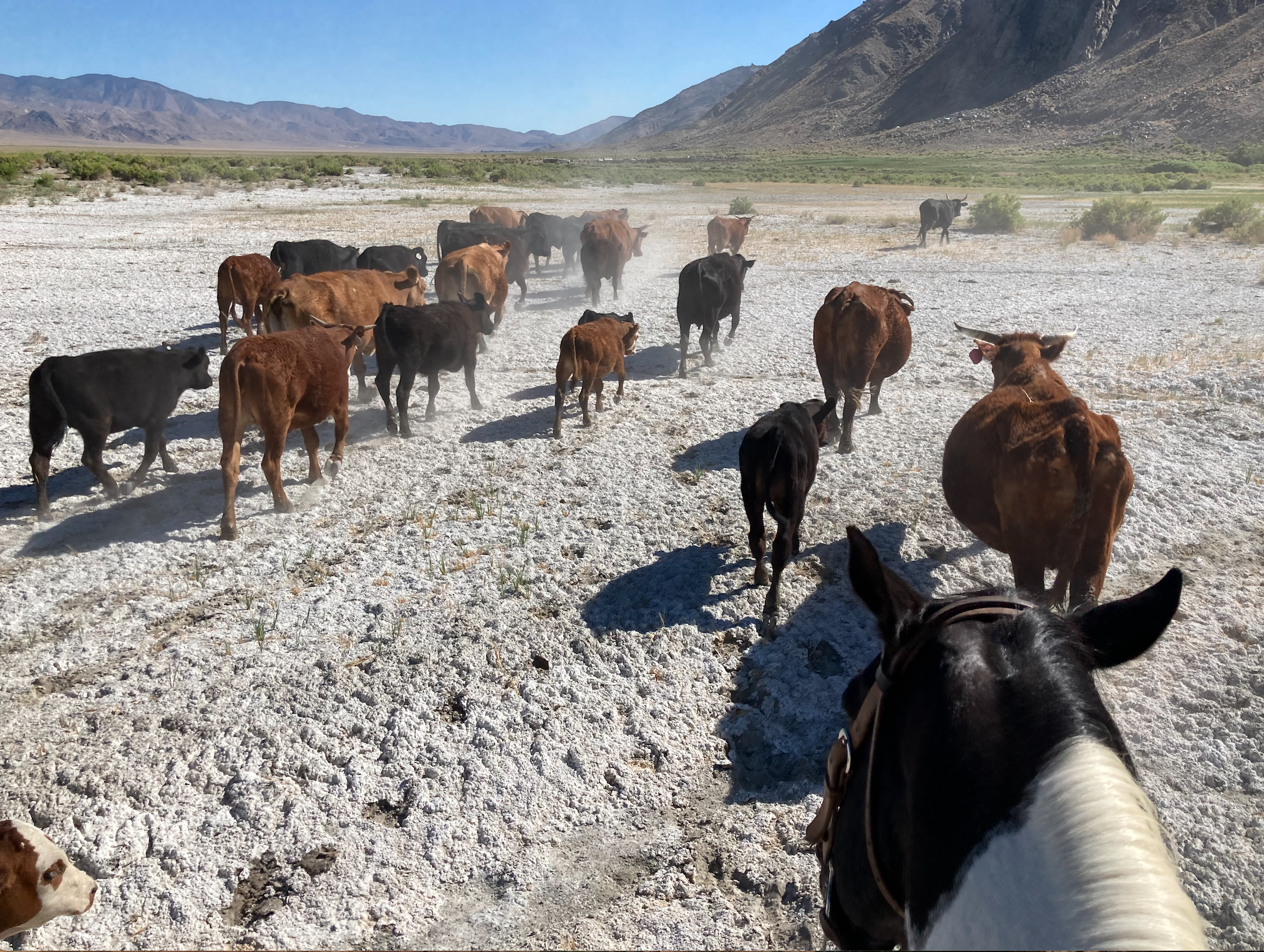
Her new book, “Farmers and Climate Change: Agricultural Adaptation in an Age of Rural Polarization,” is the first ethnographic study on how U.S. farmers are adapting to climate change amidst intense political polarization. The book contextualizes decades of policy decisions that continue to amplify political polarization and hinder climate action in rural America.
“Farmers hold complex and sometimes contradictory values and visions for the future,” Petersen-Rockney said. “Community dynamics and in-group/out-group status are tied to political beliefs. Those who are considered outsiders because of how they farm or the beliefs they hold may not have access to community support when they need it.”
She said community reciprocity is necessary for survival, so farmers must carefully manage their social standing within power relationships that shape rural responses to climate change.
“Adaptation,” said Petersen-Rockney, “is not just technical, but political.”
Working in Siskiyou County in Northern California, Petersen-Rockney returned to the land – not as a farmer, but as an ethnographer. She interviewed people from small family operations and large-scale commercial agriculture.
“Farmers are on the front lines of climate change,” she said. “The complexities of rural politics and how farmers respond to changes in the climate, like drought, in Siskiyou are echoed in other rural places across the country.
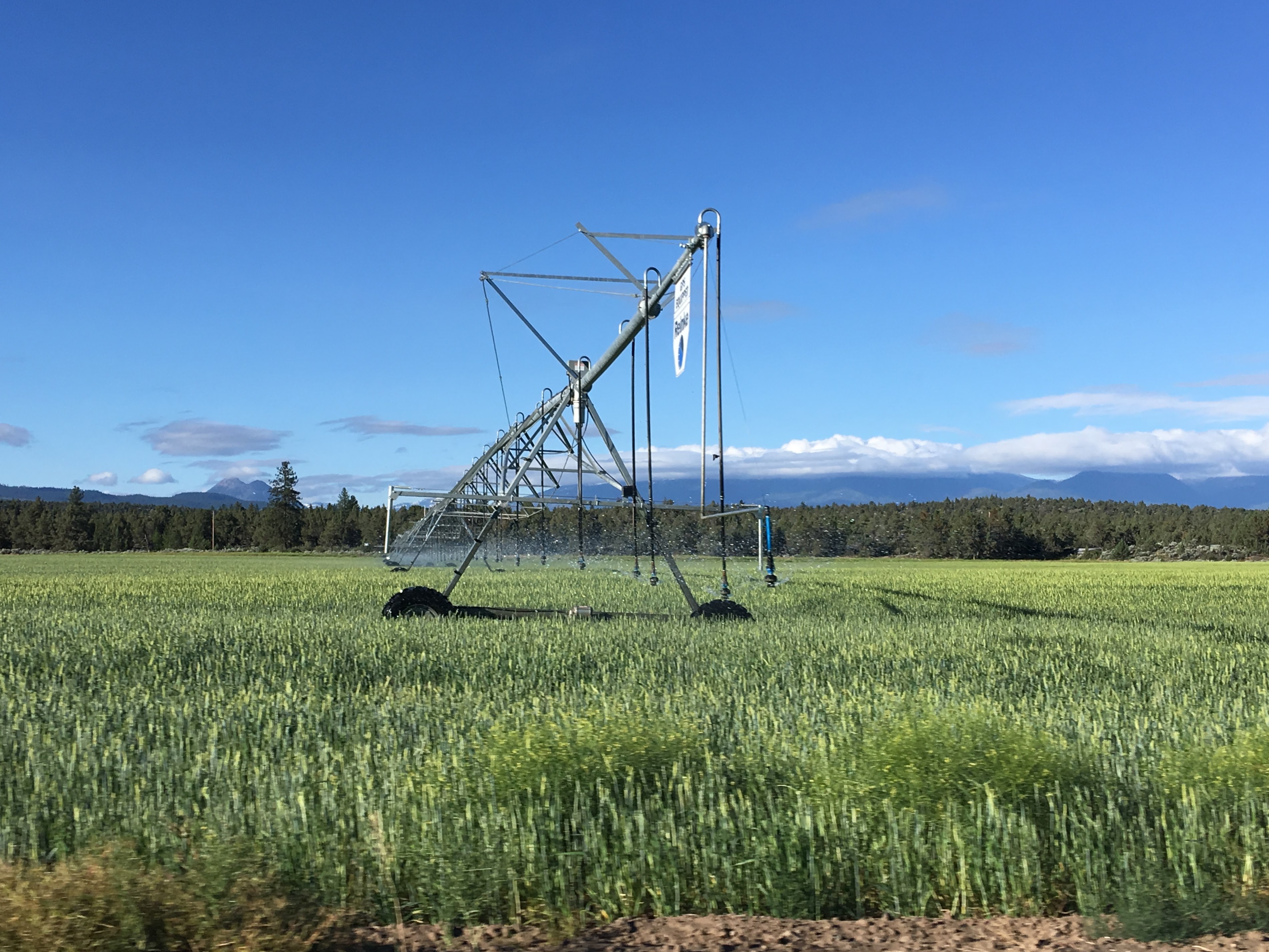
“In my farming community in Massachusetts, my mother cautioned me not to share our belief in climate change with our farming friends,” Petersen-Rockney said. “We were dependent on them, and they on us, and climate change was becoming a cultural and political wedge issue.”
At the same time, she remembered summers grew hotter and springs wetter, once-rare storms became regular events and the farm pond she skated on stopped freezing over.
“Farmers and Climate Change” offers a path forward in a time of deep political division by cultivating empathy for rural experiences. Effective climate adaptation – and avoiding worst-case scenarios – requires working with farmers and other natural resource managers while navigating a fraught political landscape.
Petersen-Rockney said meaningful engagement with rural communities depends on a deeper understanding of farmers’ experiences with climate change. Her timely book provides exactly that.
###
Contact: Margiana Petersen-Rockney, UM assistant professor. W.A. Franke College of Forestry and Conservation, 406-243-2153, margiana.petersen-rockney@umontana.edu.