
 Science
~ Light & Truth ~
Inaugural Issue 2026
FROM THE DEAN
Welcome to the College of Science 
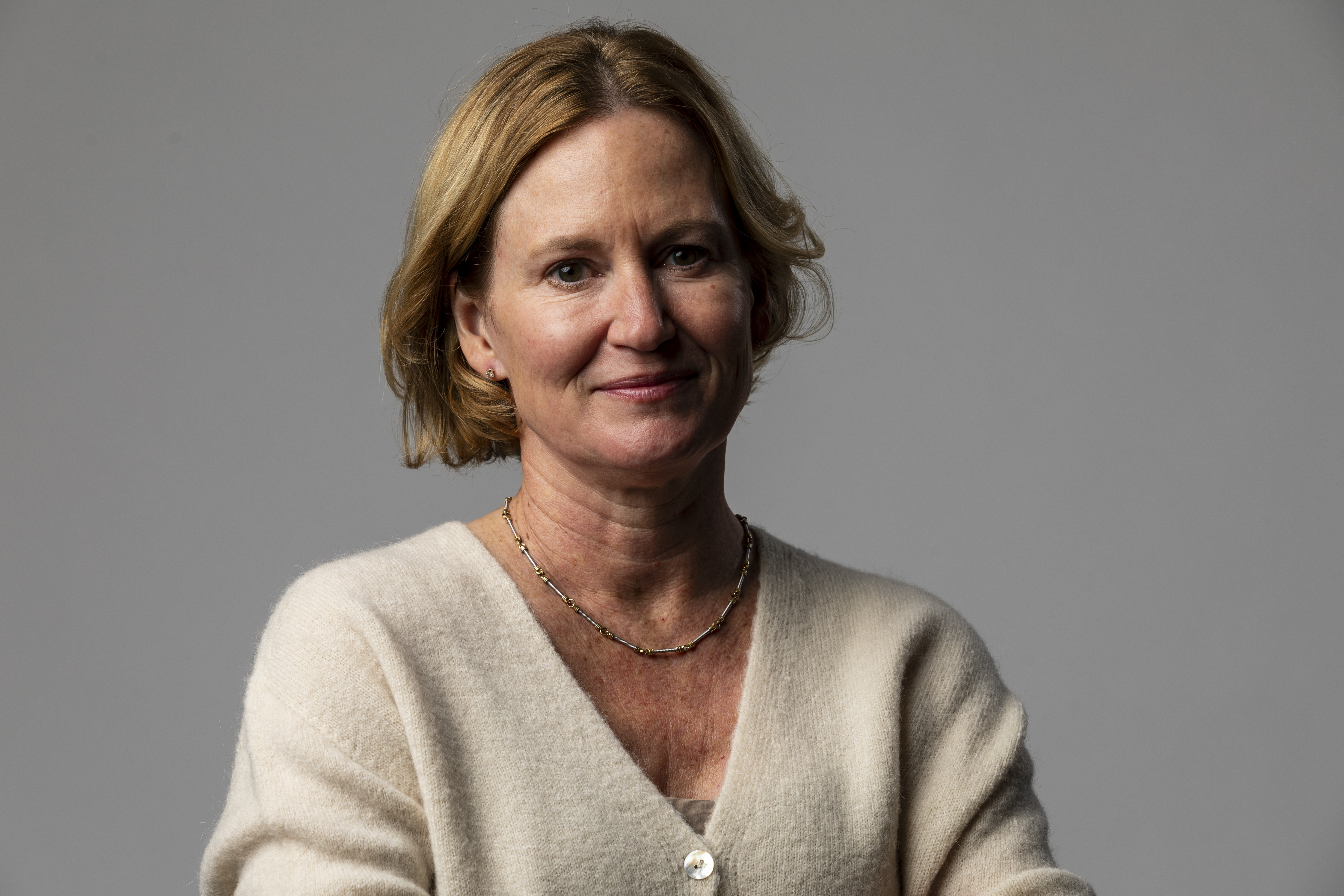
Welcome to the first official newsletter of the University of Montana's College of Science. I am excited to share some of what makes me proud and honored to serve as the inaugural dean of this new college. In these pages, you'll meet faculty, students, and alumni who make this college, and this university, a beacon of ingenuity, innovation, and integrity.
Before coming to UM, I spent over a decade at the National Science Foundation, creating programs and leading the people who help select the nation's most meritorious research. I know what world-class science looks like, and I see it here every day. I see it in our alumni, too, who are using their training at UM as a springboard to build companies and lead institutions that make a difference in the world.
Science matters to me because it is, above all, a way of understanding the world. UM’s own motto, Lux et Veritas, ‘light and truth,’ is an apt one for science itself. Science illuminates what was unknown and helps us separate what is true from what we wish were true. We need it now more than ever.
A science education opens doors. Some 36 million Americans, a quarter of the U.S. workforce, hold STEM jobs, and those jobs are projected to grow twice as fast as jobs overall over the next decade, according to the National Science Board's Science and Engineering Indicators 2026. But a good job is only part of the payoff. I believe each of us has a duty to put our talents and education in service of our communities, whether that community is a small Montana town, our nation, or the world.
That conviction is as old as this university. When UM opened its doors in 1895, two years after its founding, one speaker urged the pursuit of learning for its own sake: “Hold not up to these pupils hopes of money or office,” for “their high service is to save the world from shame and thrall.” More than a century later, that charge still guides us. A university is a place to dream, to discover, and to grow, where students do real science with the people pushing back the frontiers of knowledge. Many of the discoveries that change the world begin not with a product in mind but with a question, and universities are where those questions are asked. That work has rarely needed champions more than it does today.
I'm deeply grateful to our faculty, staff, and students, and to the alumni and friends whose loyalty and generosity have carried UM science this far. Now biology, chemistry and biochemistry, computer science, mathematics, and physics and astronomy share one home, joined by neuroscience, a program we share with the College of Health, and wildlife biology, which we share with the W.A. Franke College of Forestry and Conservation. Together we have one ambition: science that doesn't simply happen in Montana, but leads from Montana.
Our faculty hunt gravitational waves, decode genomes, uncover how the brain learns, track wildlife across continents, prove new mathematical theorems, analyze wildfire smoke, and model the future of Earth's ice sheets. They publish their discoveries in the world's top scientific journals and write the textbooks that teach the next generation of scientists. Our undergraduates build instruments for particle accelerators and win national scholarships. They do all this with lean resources. Imagine what they could do with the support they deserve.
A college has only one first year. Let's make ours count, embracing all that science can do for our university, for Missoula and Montana, and for our nation.
With gratitude,
Leslie J. Rissler
Dean, College of Science
A HISTORIC FIRST
The Batts Graduate Fellowships
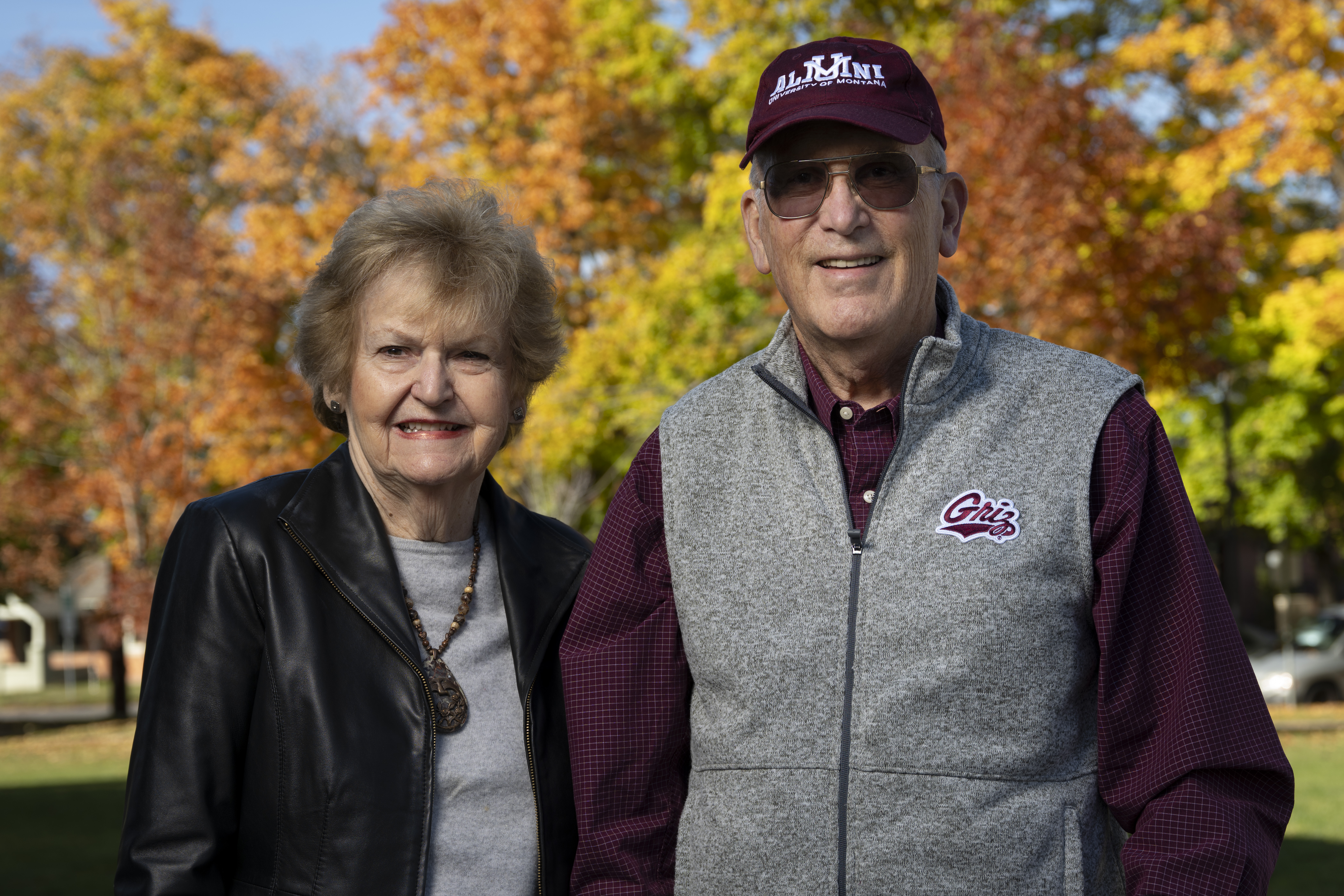
The College of Science received a transformational gift from Joe and Lana Batts, who are creating graduate fellowships in Ecology and Evolution. Their generous gift focuses on one of our star programs, and it enables the College of Science to recruit and retain outstanding students from across the country.
Joe and Lana are investing in a program of national distinction. UM's Ecology and Evolution program ranks in the top 3% of institutions worldwide. Its students have earned 19 National Science Foundation Graduate Research Fellowships in the past two decades, and graduates now teach at UC Davis, the University of British Columbia, and Cambridge University. We are thrilled that the Batts have chosen to support the new College of Science, and we hope their example inspires others to invest in our students, our faculty, and the bold new ideas that will shape this college.
“We're excited about the new College of Science because we believe in science. We have been impressed by the quality of research that has been and is currently being conducted at the University of Montana. We wanted to support tomorrow's scientists.”— Lana Batts
Science that builds Montana's economy
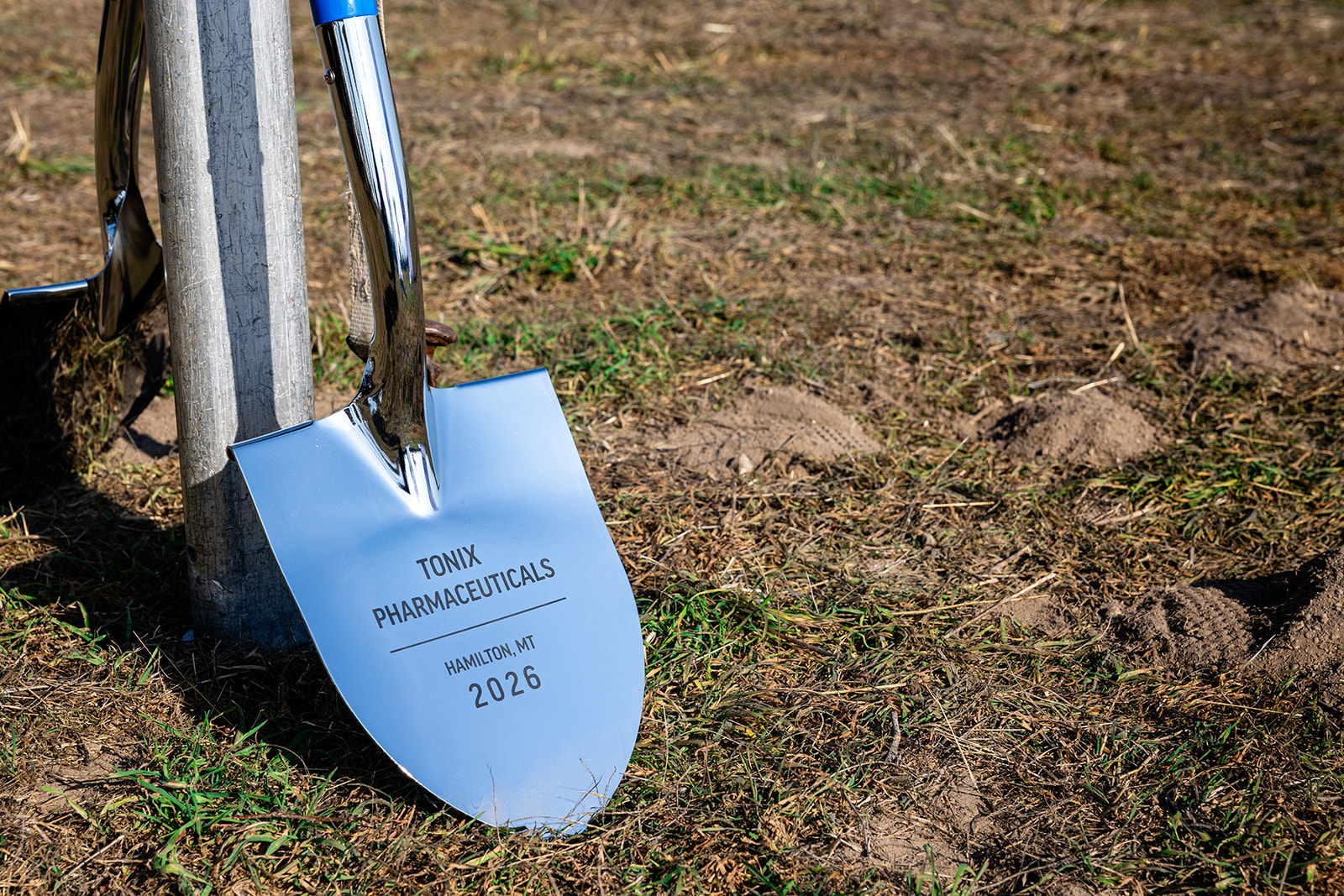 On October 8, 2026, Tonix Pharmaceuticals broke ground on a commercial-scale manufacturing facility in Hamilton. UM joined the groundbreaking as we explore opportunities for future partnerships in biomedical research, student training, and workforce development. College of Science faculty member Jeff Good and bioinformaticist Schuyler Liphardt help Tonix with its genomics work. As the Bitterroot biotech corridor grows, our graduates will be ready to fill the scientific jobs it creates, and stay in Montana.
Montana's Science Showcase
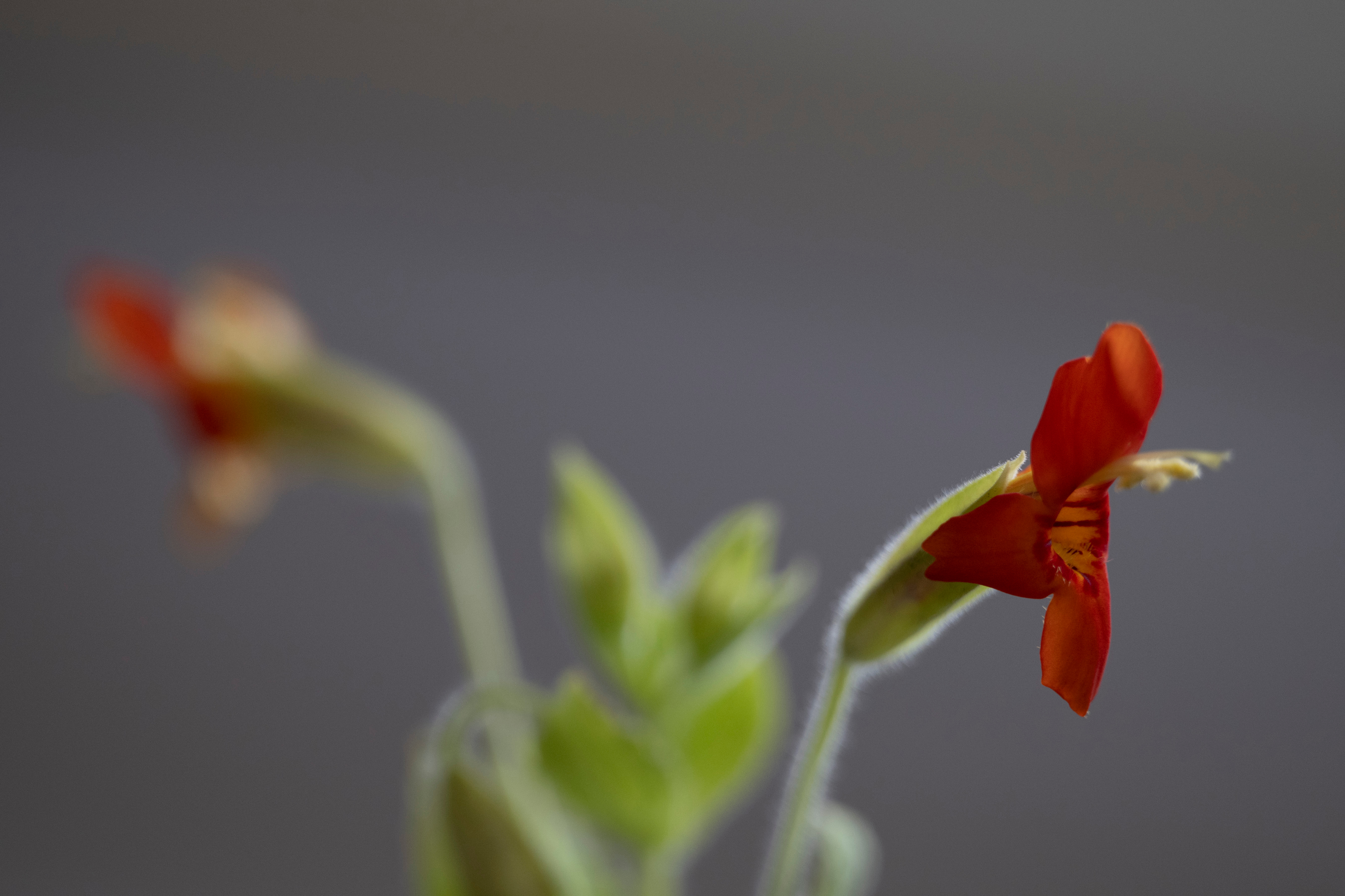 UM was chosen to represent all of Montana in 50x50: Science Across America, a national series pairing 50 creators with 50 scientists. Our pair: UM alumnus Hank Green and Dr. Lila Fishman’s lab, exploring how monkeyflowers reproduce.
FACULTY SPOTLIGHT
Putting UM Science on the Map
A few of the many faculty who make us proud.
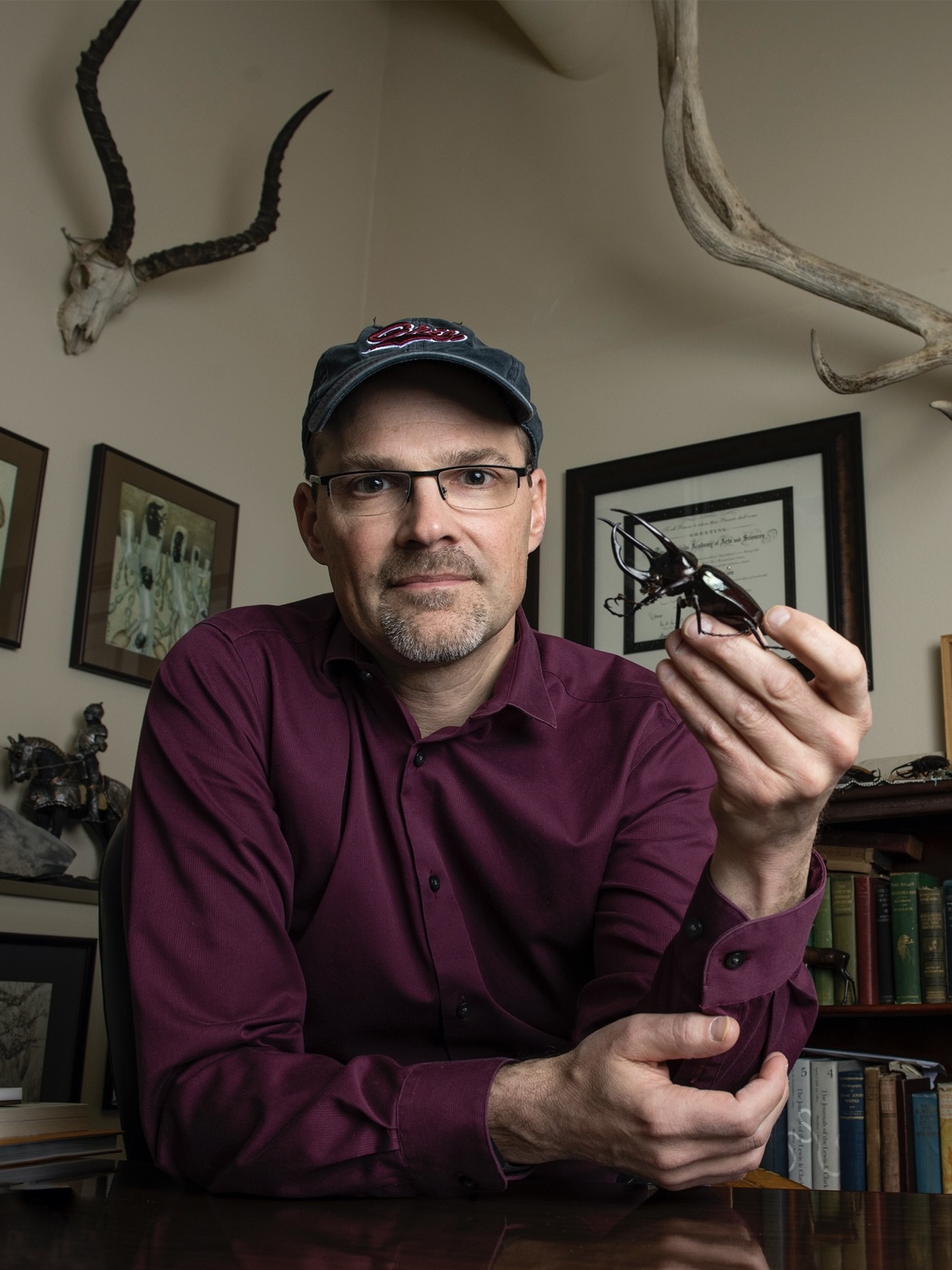 Doug Emlen Biological Sciences National Academy of Sciences: Regents Professor Doug Emlen was elected to the National Academy of Sciences in 2023, an honor often described as second only to a Nobel Prize. He learned the news mid-lecture, in front of 200 cheering students. Emlen studies the evolution of animal weapons, from beetle horns to elk antlers. His book Animal Weapons won the Phi Beta Kappa science book award, and his work has been featured by NOVA, the BBC, The New York Times, and NPR. He was also named the “Montana” Carnegie-CASE Professor of the Year in 2015. |
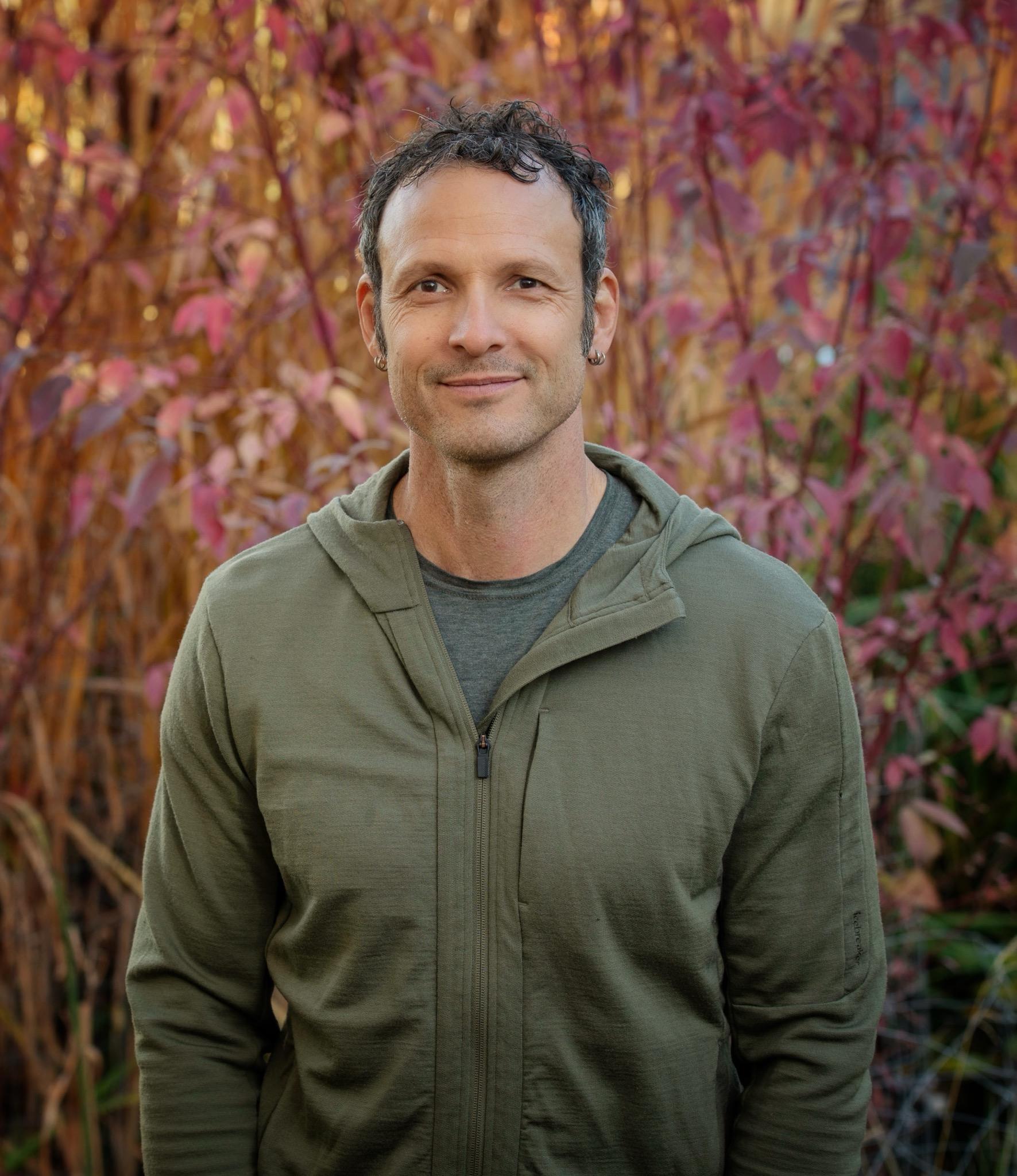 Jedediah Brodie Craighead Endowed Chair of Conservation Protecting wildlife from Borneo to Alaska: Jedediah Brodie holds the John J. Craighead Endowed Chair, created in 2005 with $2.5 million from private donors. He studies large mammals in the rainforests of Malaysian Borneo and advises the governments of Sabah and Sarawak on wildlife corridors. He co-directed a project that helped Sabah site more than 300,000 hectares of new protected areas. In 2025 he was lead author of a Science article on how animal movement connects the planet. He’s a UM alum (PhD ’07) and a former Fulbright fellow. |
Brandon S. Cooper Biological Sciences The microbe that improves human health and protects endangered species: Associate Professor Brandon S. Cooper studies Wolbachia, bacteria that live inside the cells of about half the arthropods on the planet. His discoveries help inform efforts that use Wolbachia’s unique biology to reduce human disease, control agricultural pests, and protect endangered species. He has expanded his work to new field sites in Africa and formed new collaborations, including one with Google. In the last five years alone, he has brought in more than $5 million in research funding, including an NSF CAREER award and a competitive renewal of his NIH MIRA award. A first-generation college student himself, he works to open science careers to Montana students. |
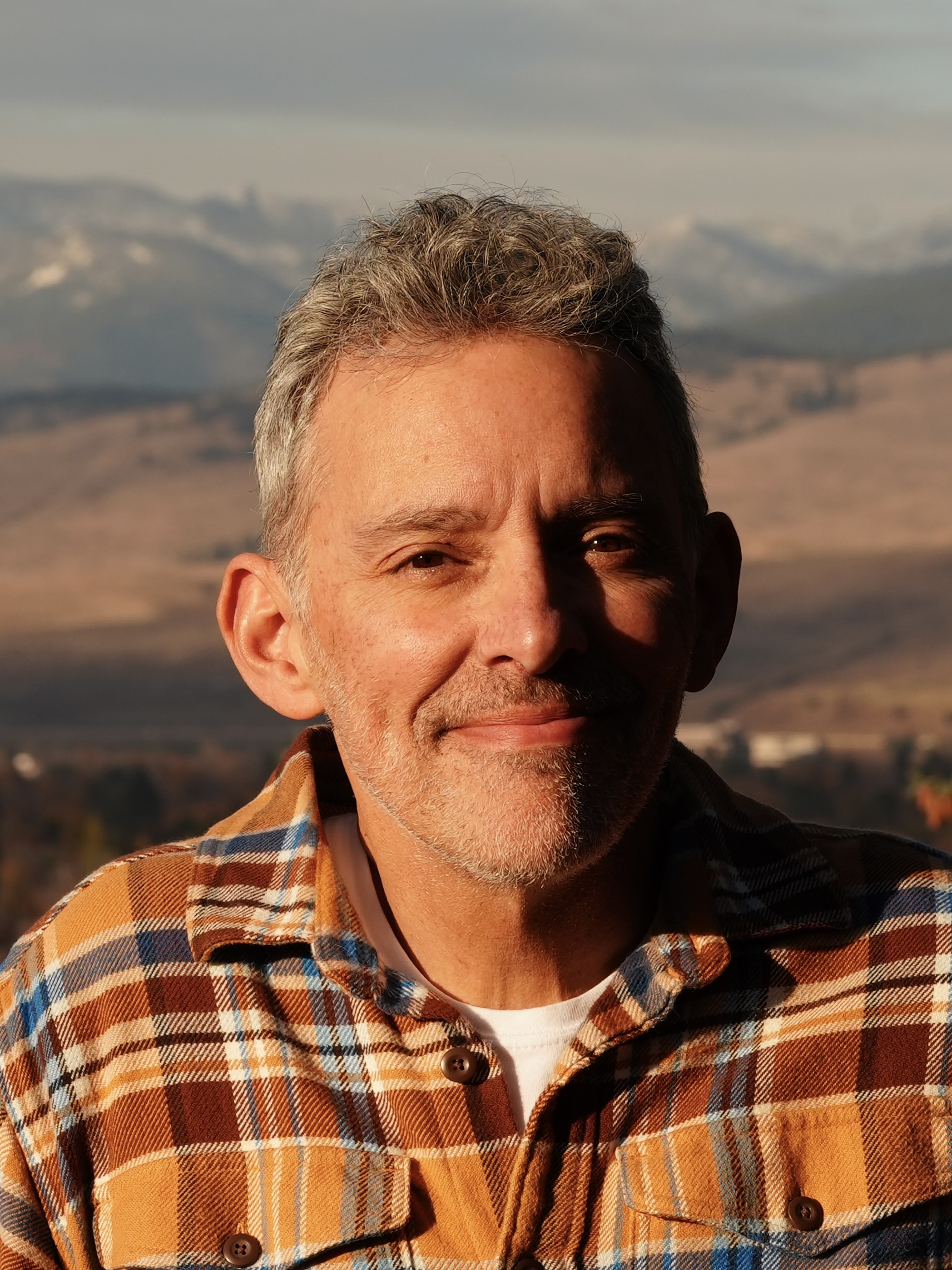 David Macaluso Physics & Astronomy A first in 127 years: Professor and Chair David Macaluso won a $1.1 million National Science Foundation Major Research Instrumentation Development grant. He’s the first person in UM’s 127-year history to win one. His undergraduates are building a next-generation mobile merged-beams instrument that will travel to particle accelerators in the U.S. and abroad. More than 50 undergraduates have completed senior thesis research projects in his lab. |
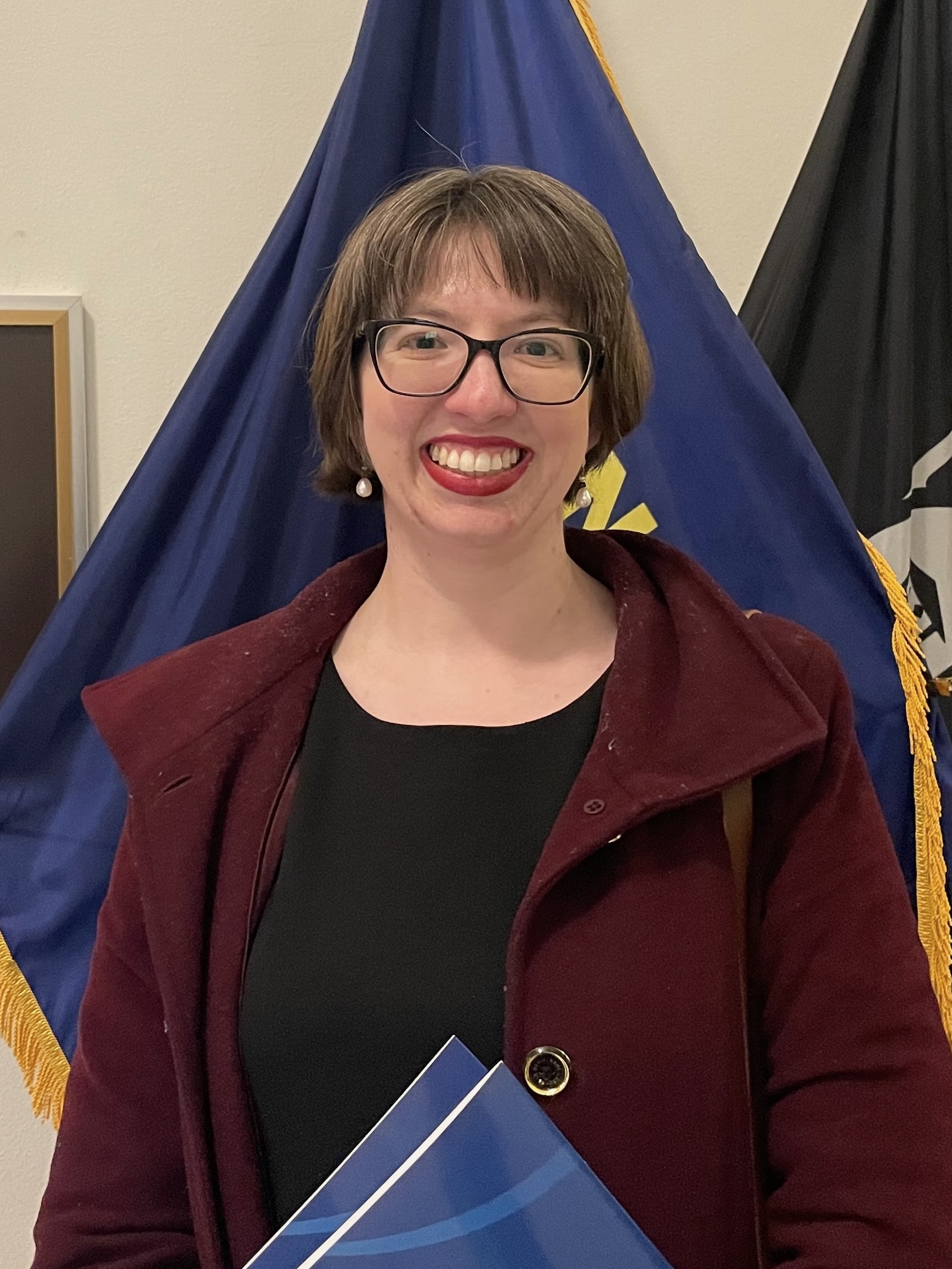 Deborah Good Physics & Astronomy Listening to the universe: Assistant Professor Deborah Good is a full member of NANOGrav, the North American collaboration that uses pulsar timing to detect low-frequency gravitational waves. It’s one of the most exciting frontiers in physics; gravitational waves were first detected in 2015 and earned a Nobel Prize in 2017. Undergraduates work directly on this research in her lab, an opportunity few universities can offer. |
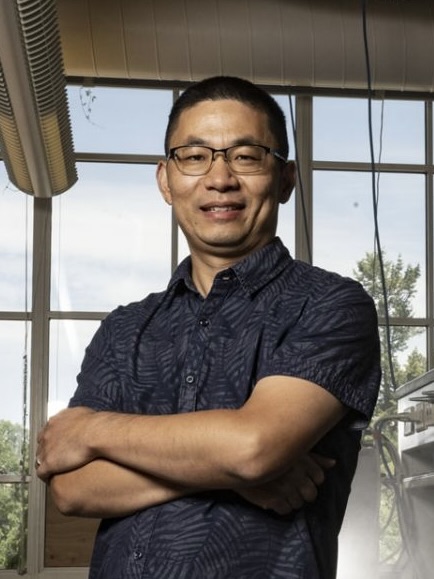 Lu Hu Chemistry & Biochemistry Flying through wildfire smoke: Atmospheric chemist Lu Hu flies research aircraft through the smoke plumes of active wildfires to measure what’s in the air we breathe. He won an $800,000 NSF CAREER award to identify the hidden chemicals in smoke and help air-quality models predict pollution more accurately. He also co-directs the statewide Montana Science Fair for middle and high school students. |
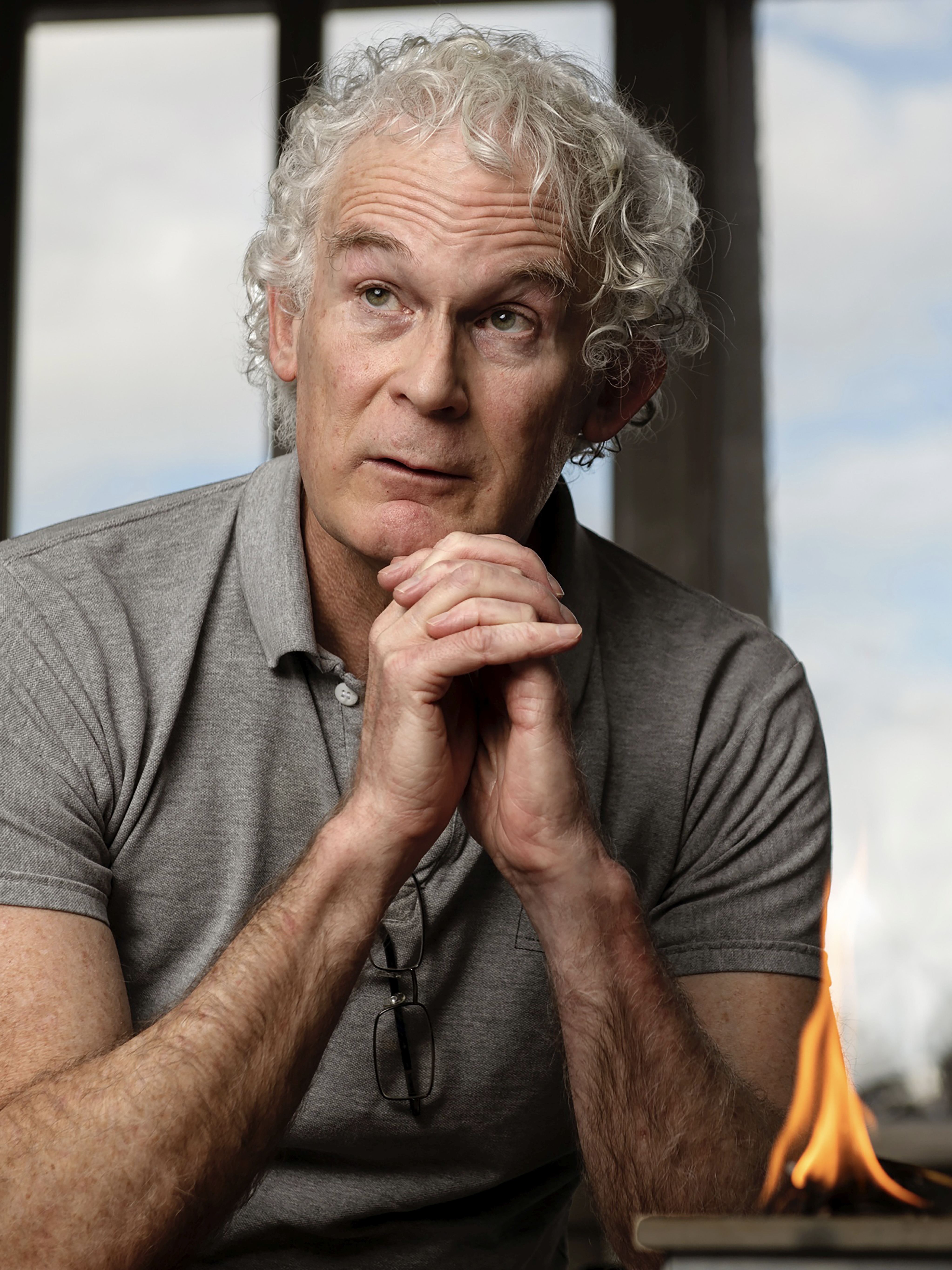 Bob Yokelson Chemistry & Biochemistry Among the world’s most cited: Professor Bob Yokelson is one of the top 0.1% most-cited researchers in the world. His work examines how fires impact the atmosphere all over the planet, including in Montana during wildfire season. |
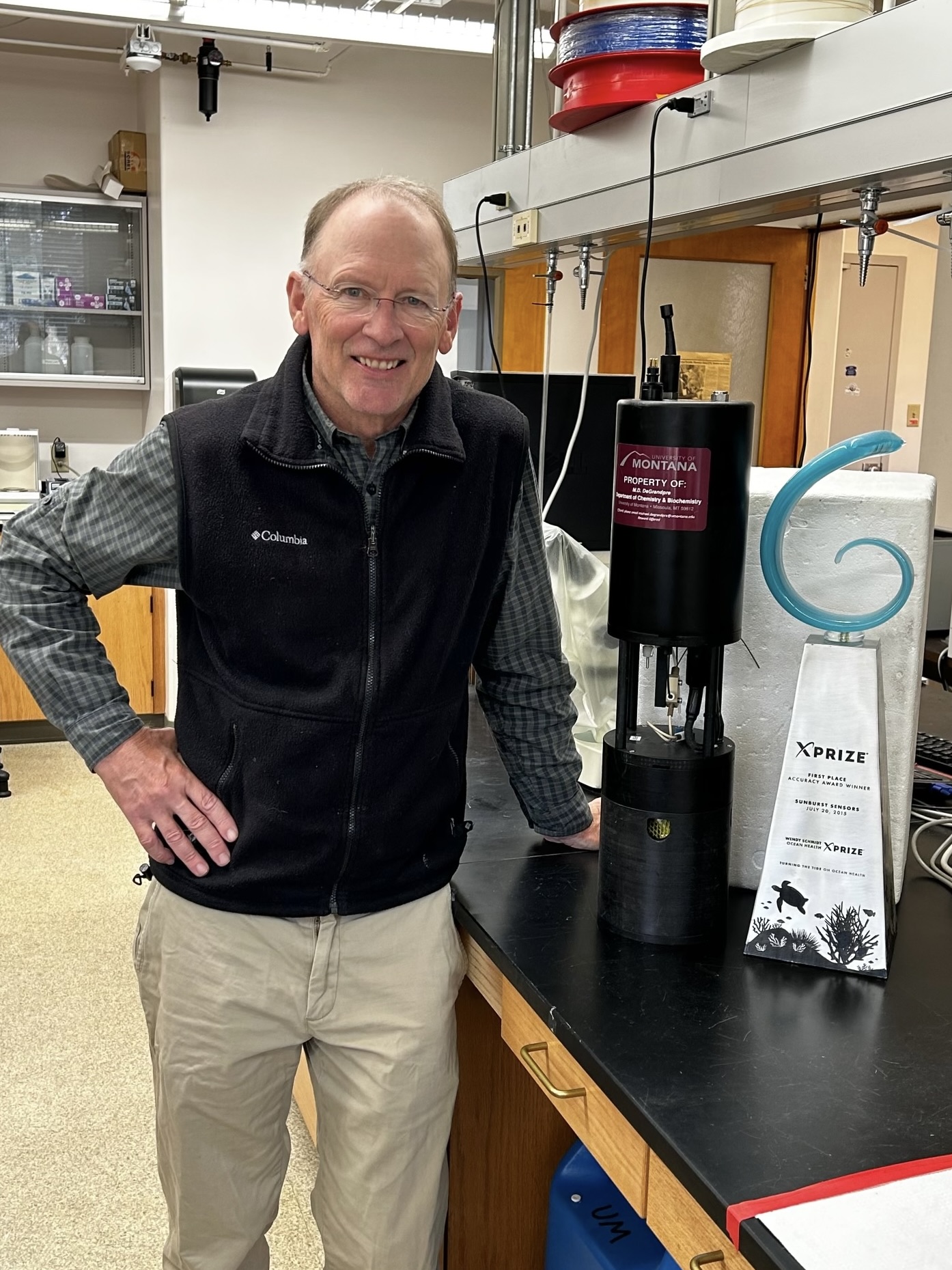 Mike DeGrandpre Chemistry & Biochemistry An XPRIZE winner: Professor Mike DeGrandpre won an XPRIZE for autonomous ocean sensors he developed here in Missoula. The competition evaluated ocean pH sensors in two categories, accuracy and affordability, and DeGrandpre’s technology won both awards. |
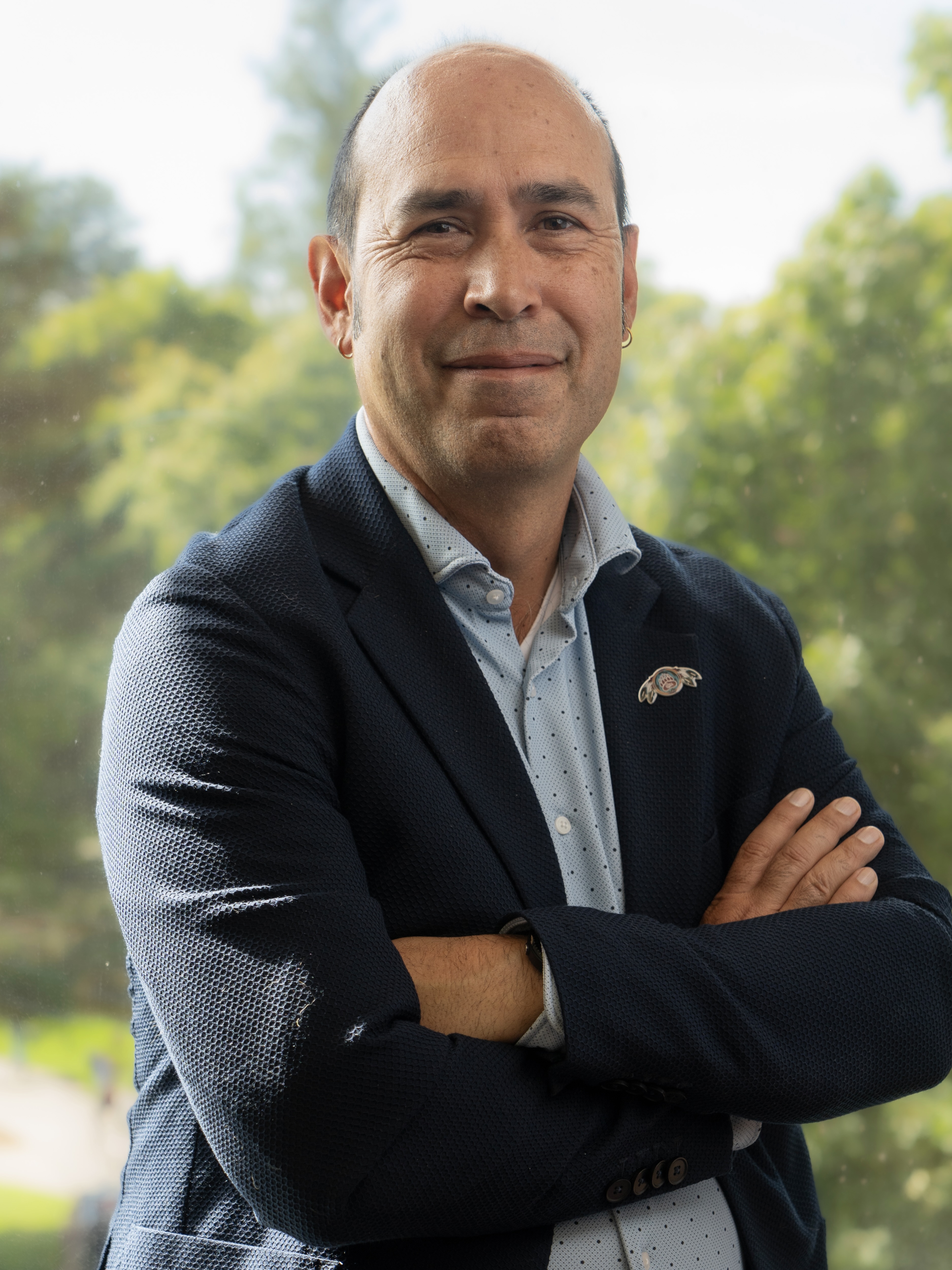 Aaron Thomas Chemistry & Biochemistry Opening doors for Native students in STEM: Professor Aaron Thomas, a member of the Navajo Nation, directs UM’s Indigenous Research and STEM Education program. He leads MT AIMS, which brings Native students in grades 6–10 to campus each summer for hands-on STEM and supports them throughout the school year. He is lead principal investigator of the $10 million NSF-funded CIRCLES Alliance, a six-state effort, and led UM’s $2.5 million HHMI Driving Change grant, one of 12 awarded nationally. He also teaches Introduction to Engineering at UM. |
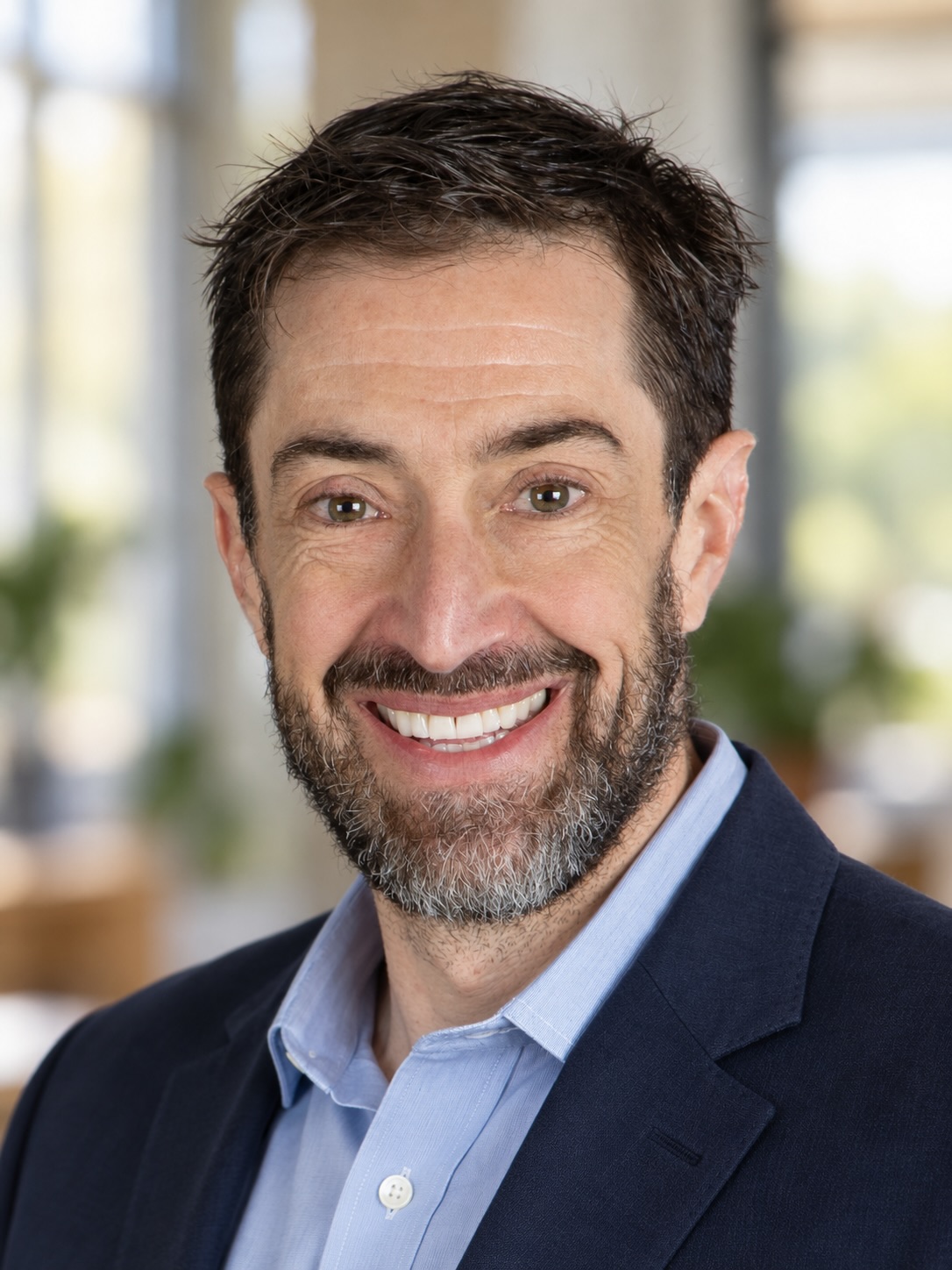 Fred Peck Mathematics Opening doors to science: Mathematics educator Fred Peck has helped secure more than $10 million in grants to help students succeed in science. They include two Howard Hughes Medical Institute awards and a $5 million National Science Foundation scholarship program run with Salish Kootenai College, Blackfeet Community College, and Montana Tech. At UM, he has spearheaded initiatives to integrate Indigenous ways of knowing across the STEM curriculum. Teachers across Montana know him for the professional development and leadership he and his colleagues provide. |
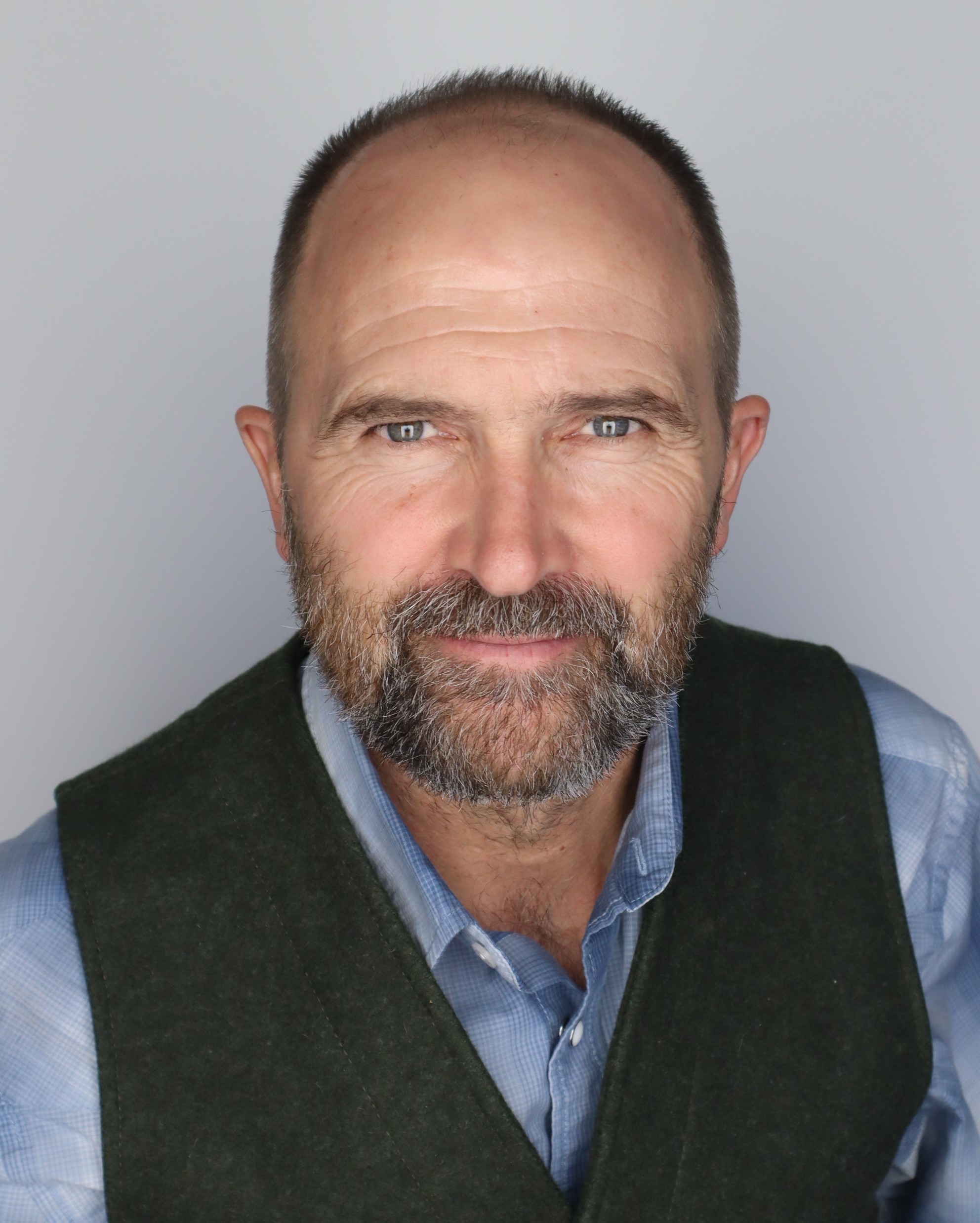
Matt Roscoe Mathematics Art and science in NYC: Associate Professor Matt Roscoe’s Rosenthal Prize–winning manipulative, “The City of Numbers,” was developed into a permanent exhibit at the National Museum of Mathematics in New York City. |
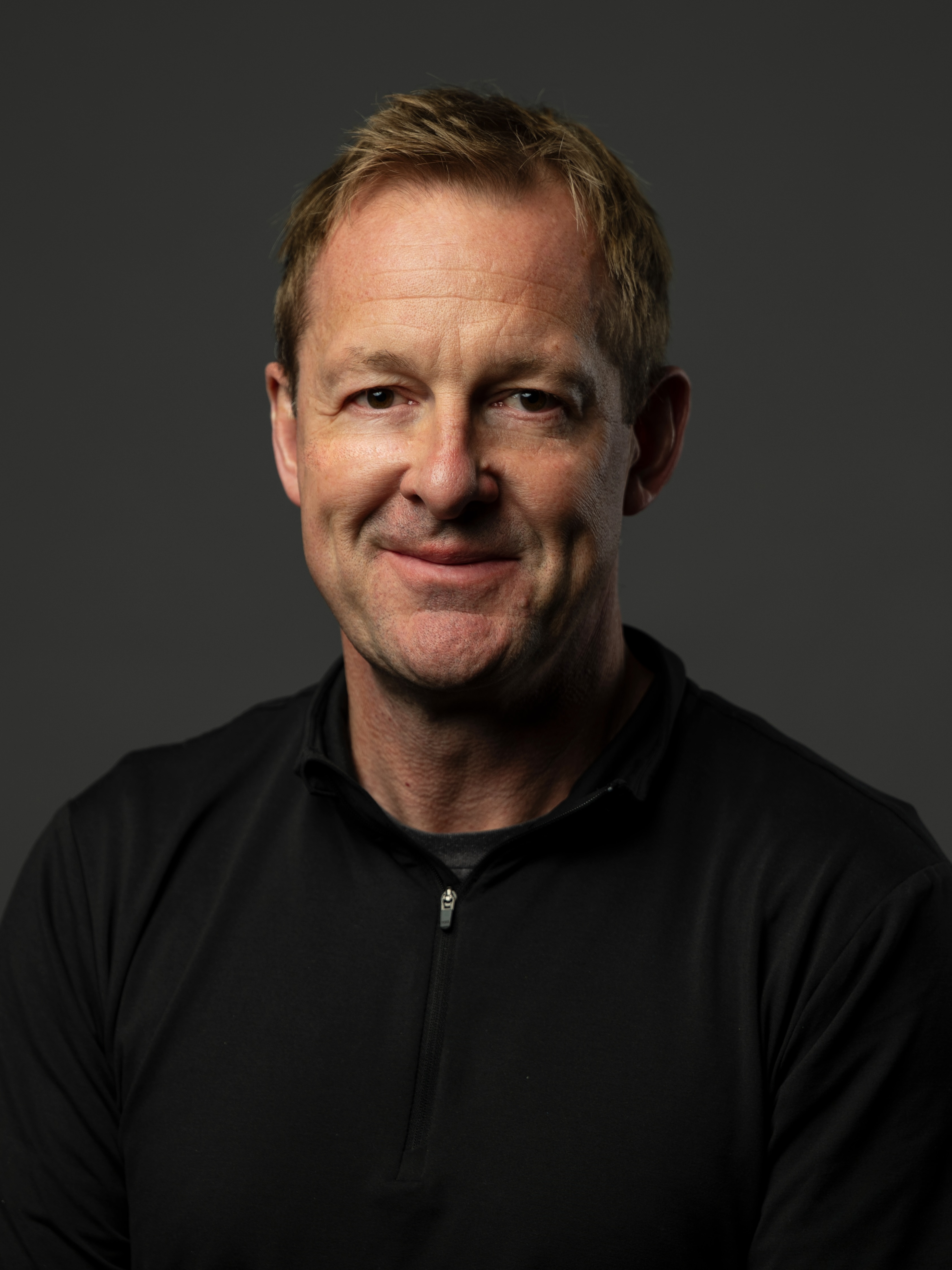 Kasper Hansen Neuroscience Decoding how we learn: Professor Kasper Hansen studies glutamate receptors, the components of the brain behind memory and learning, and their dysregulation underlies many neurological and psychiatric disorders. His three major reviews on the topic have been cited more than 6,400 times. He holds two NIH R01 grants, among the most competitive awards in biomedical research. |
 Beverly Piggott Neuroscience A mentor’s mentor: Assistant Professor Beverly Piggott earned a $1.1 million NSF CAREER award to study how bioelectricity shapes the developing brain. She has mentored 15 undergraduates who have presented at 22 or more conferences. Last year she won UM’s top faculty award for mentoring undergraduate research. |
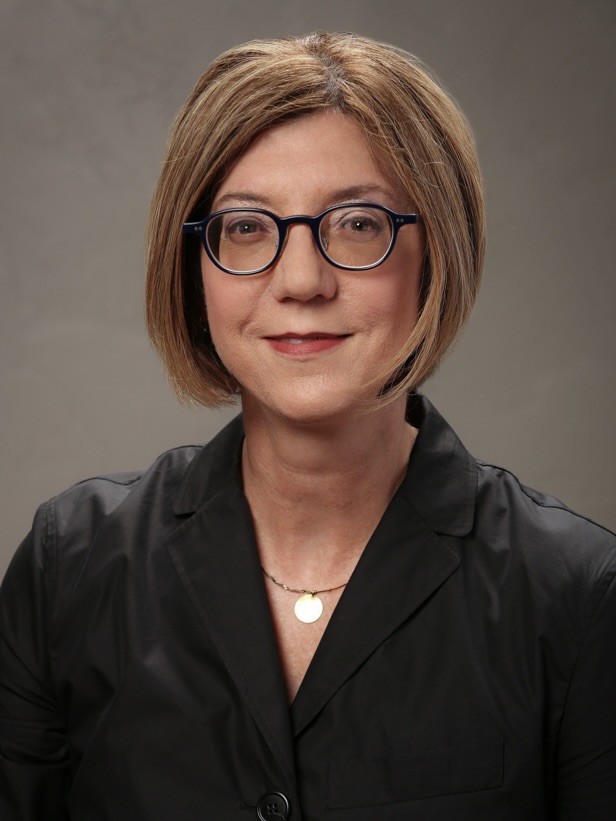 Sarah Certel Neuroscience What the gut tells the brain: Sarah Certel studies how the gut and brain talk to each other, and how that conversation shapes behavior. The U.S. Army Research Office awarded her lab more than $1 million to learn how gut signals influence aggression in males and females, research that could help protect soldiers from biological threats. Her work in fruit flies may lead to new therapies for conditions linked to disrupted gut-brain communication, and her lab is a launchpad for undergraduates like Wyatt Ploot. |
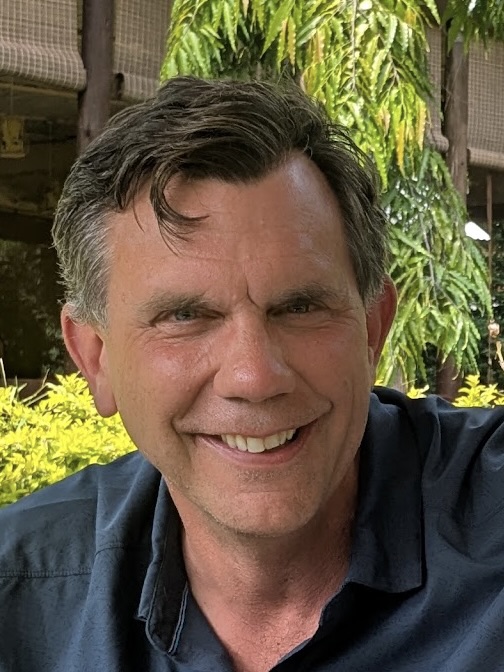 Jesse Johnson Computer Science From Greenland’s ice to Montana’s fires: Jesse Johnson uses computing to understand some of the planet’s biggest forces, from Greenland’s ice sheet to wildfire risk across the West. He leads grants from the National Science Foundation and the U.S. Forest Service, including a $3.9 million NSF collaboration between UM and Alaska. He is now commercializing an immersive wildfire simulation, and he coached the student team that beat defense contractors for a $70,000 prize. |
 Anh Nguyen Computer Science Smart sensing for healthier, safer communities: Assistant Professor Anh Nguyen develops AI-powered sensing technologies that connect the physical and digital worlds to improve human health and environmental safety. Her research has earned Best Paper Awards at two premier international computing conferences and two U.S. patents. At UM, she directs the Mobile Cyber-Physical Intelligence (mCyPhI) Lab, where her team develops wearable systems to monitor the body’s signals, improve sleep, quantify motion sickness, and support stroke rehabilitation. Her research also extends to wildfire resilience, tracking prescribed fires and environmental conditions in real time. In 2027, she will co-chair ACM MobiSys, a leading international conference in mobile computing. |
STUDENTS ON THE RISE
The Next Generation

|
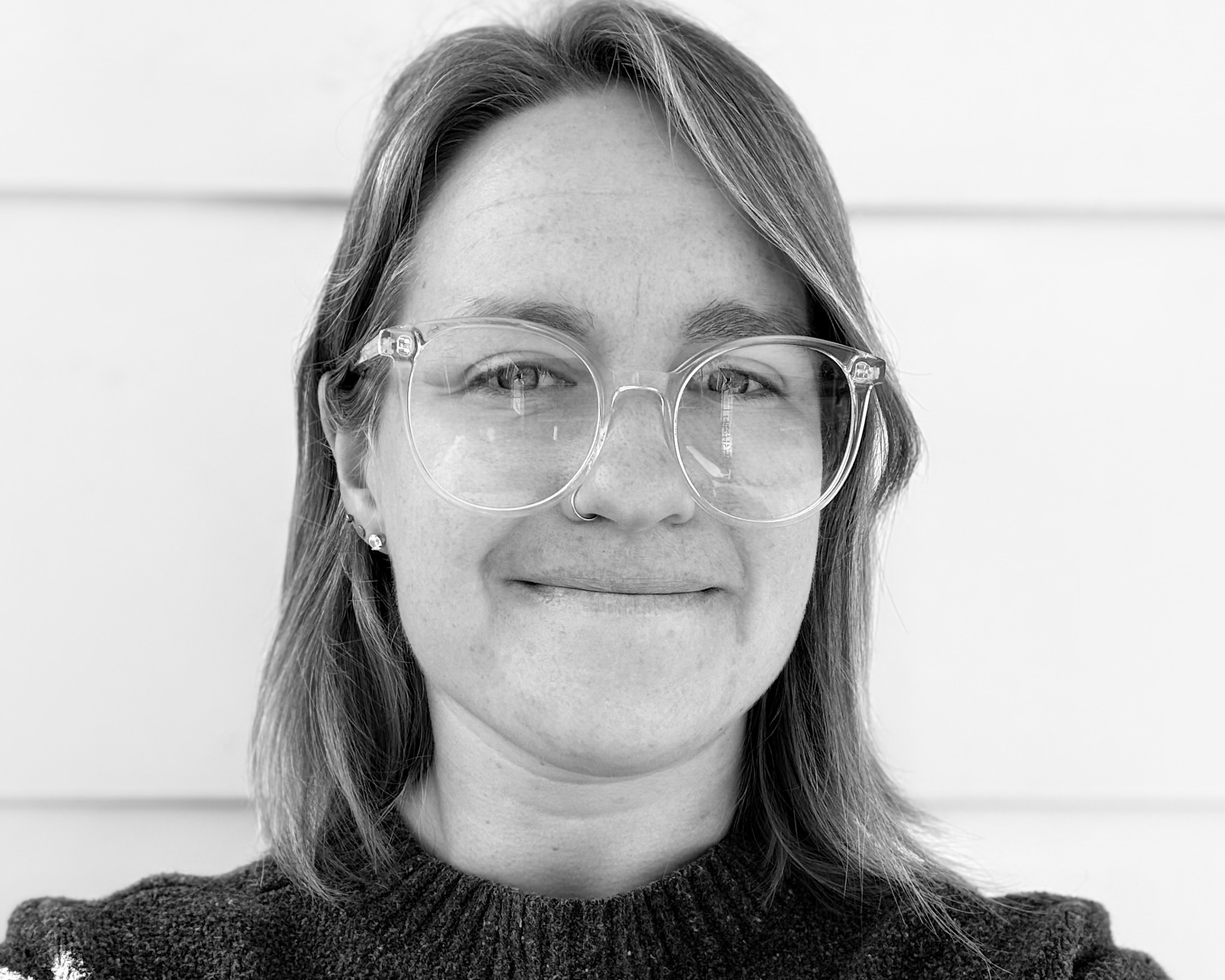
Bella Wengappuly Montana’s only Goldwater Scholar in 2026 Bella Wengappuly, a double major in Computer Science and Wildlife Biology, was named a 2026–27 Goldwater Scholar. She is UM’s 19th Goldwater Scholar and the only student from a Montana college selected this year. Her research combines machine learning, aerial imaging, and mapping technology to protect wildlife. |
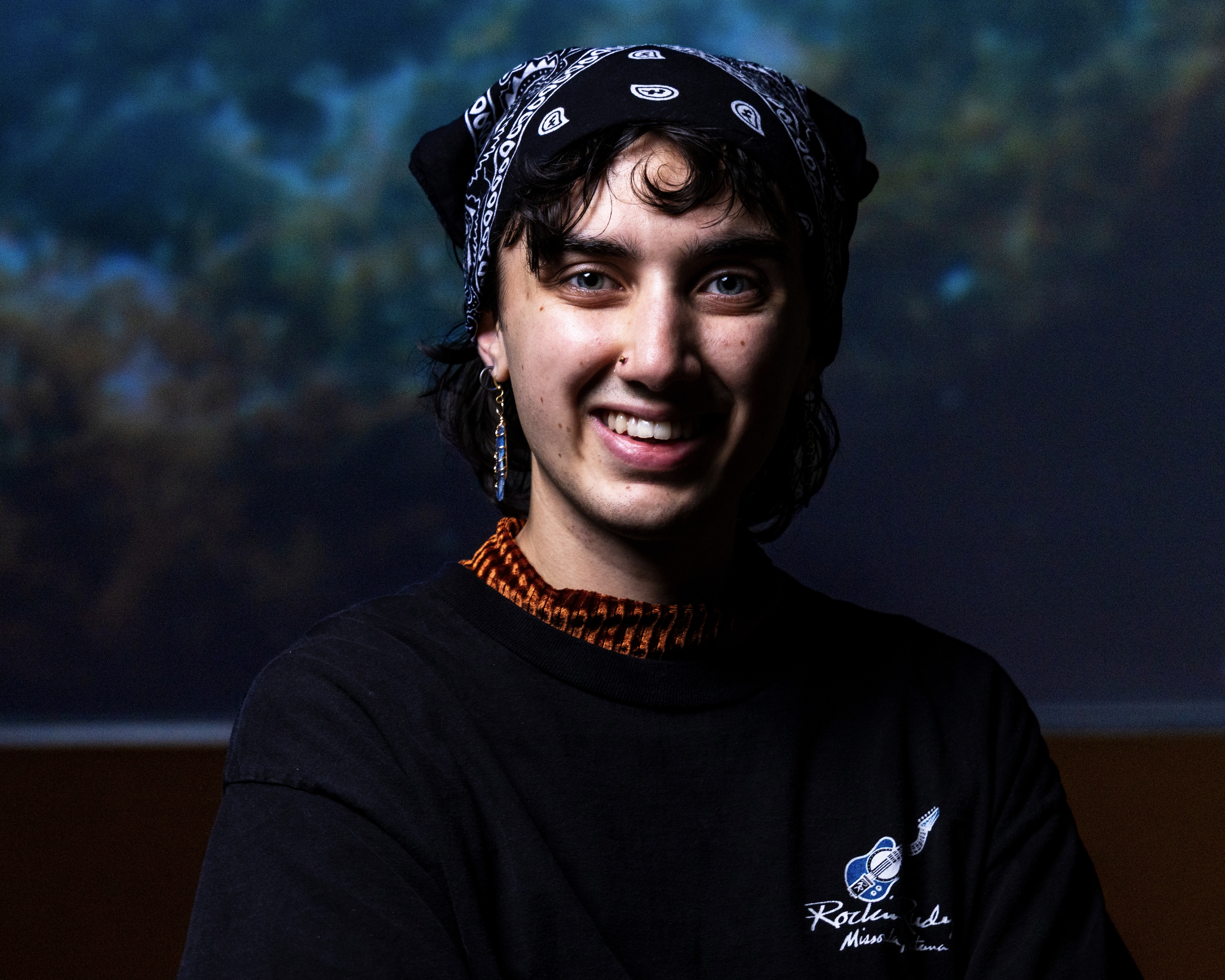
Aiden Agostinelli A Missoula student takes the stars home Aiden Agostinelli, a Sentinel High School graduate, just presented their capstone show in UM’s planetarium to earn the department’s new planetarium certificate. The show, “Sunsets Across the Solar System,” takes audiences to our planetary neighbors to see their colored sunsets, auroras, and more, and it drew rave reviews. Aiden graduates in December with a degree in physics and astronomy. This spring Aiden will teach UM’s algebra-based introductory physics course while starting a master’s degree in science education, ready to inspire the next generation of Montana students. |
|
|
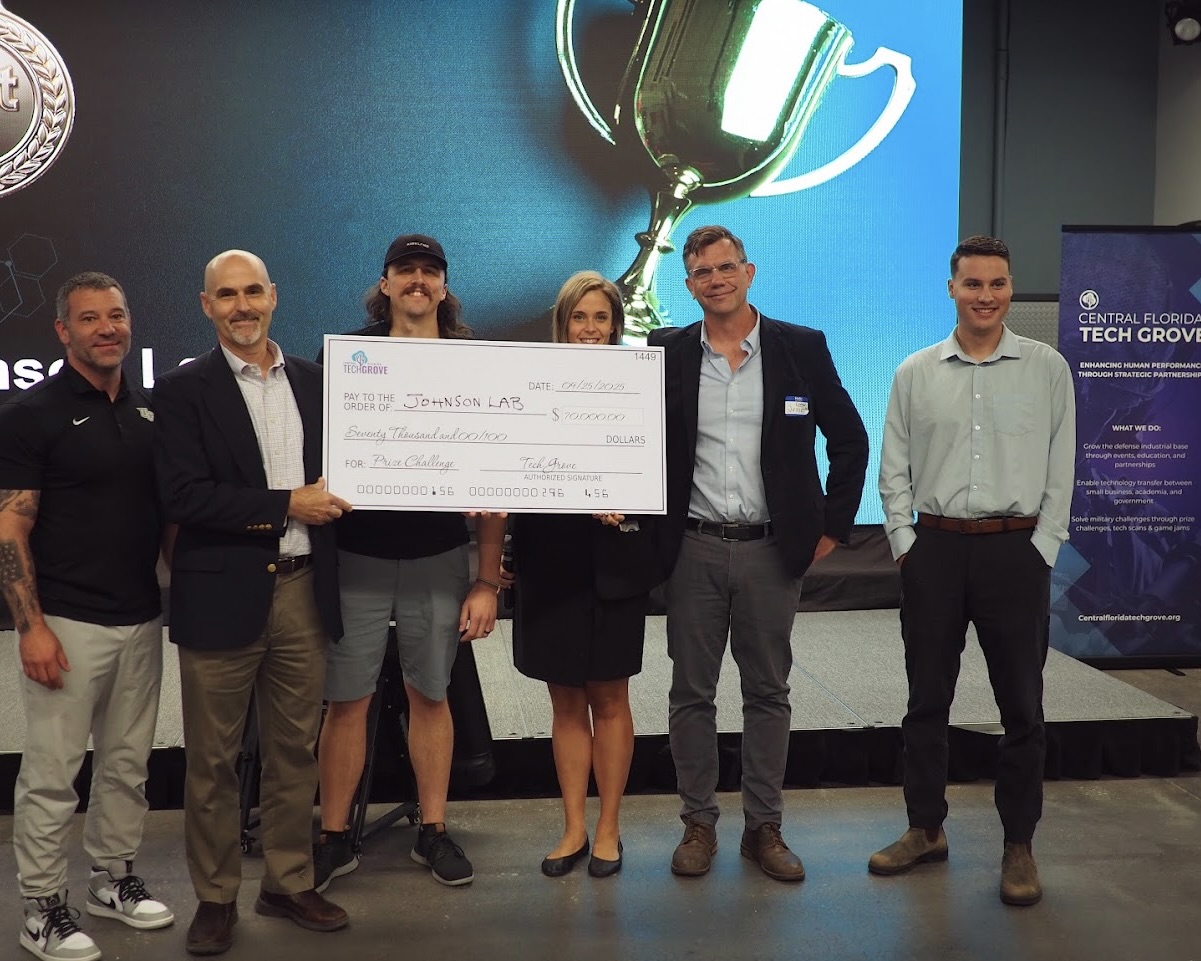
The Wildfire Challenge Team Students beat defense contractors A team of Computer Science students led by Professor Jesse Johnson won first place and $70,000 in the national Virtual Wildfire Modeling & Immersive Training Prize Challenge. Most of the ten competing teams came from defense contracting firms. Graduate students Jake Bova and Sam Luther, with undergraduate Kaelan Carney, built a virtual-reality experience to train firefighters and help land managers plan prescribed burns. |
Maggie Boyd From pre-med to physics to biotech Maggie Boyd came to physics as a pre-med student taking introductory physics. Professor Macaluso saw her potential and recruited her as a Physics and Human Biology double major. As an undergraduate, she built an original laser-based biosensor as part of a multi-million-dollar NIH COBRE grant at UM. That same project was then honored as an annual Science Highlight at the synchrotron particle accelerator at Lawrence Berkeley National Laboratory. She then went on to a PhD at Northwestern where she won a prize for outstanding first-year graduate research. Maggie now works in Washington state at a biotech company focused on clinical diagnostics and disease monitoring. |
|
|
Mariah McIntosh UM from undergrad to PhD grad Mariah McIntosh found her love for natural sciences her freshman year in Dr. Eric Green’s ecology course. She spent all four undergraduate years doing research in Dr. Lila Fishman's lab. Mariah received a Udall Scholarship and an NSF Graduate Research Fellowship. She chose to stay at UM for her PhD with Dr. Cara Nelson in the Franke College of Forest and Conservation Sciences, defending in just four years. Her research in restoration ecology took her to Chile and South Africa. Today, Mariah enjoys her work bridging science and practice in land management with the Intermountain West Joint Venture in Missoula. |
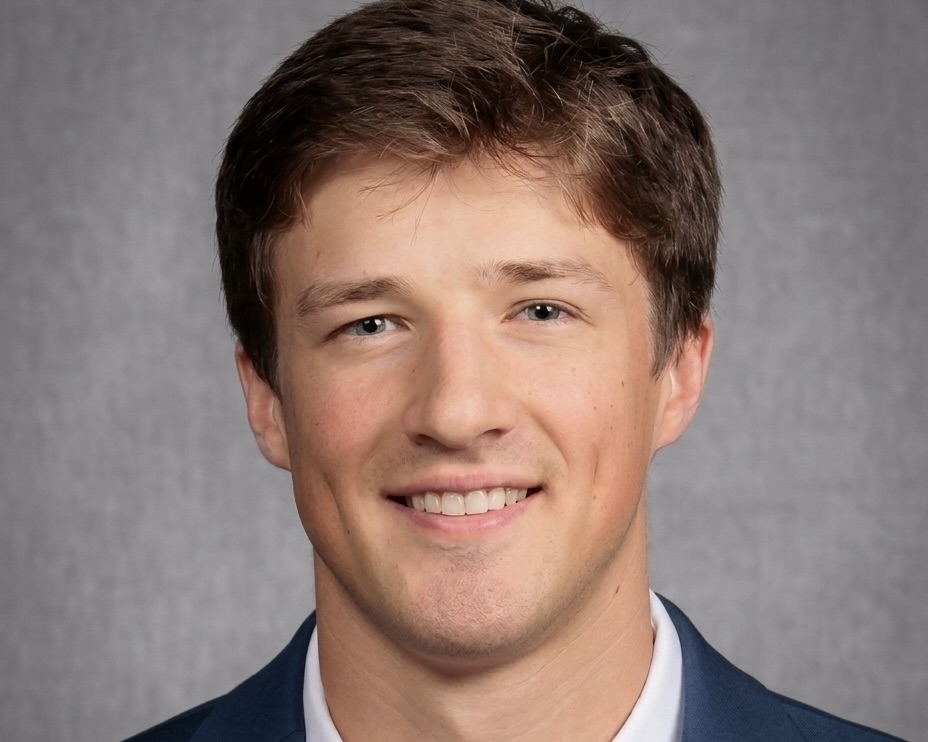
Wyatt Ploot A summer of research and growth Neuroscience graduate Wyatt Ploot (’24) conducted research in Professor Sarah Certel’s lab. An NIH research supplement supported his summer working with collaborating researchers at Brown University. He describes the experience as formative to his scientific development and a valuable part of his preparation for medical school. He is now a Distinguished Student Scholar at Washington University in St. Louis School of Medicine. |

ALUMNI
Where They Are Now

|
Kendra Kuhl BS, Chemistry Co-founder and CEO of Canopy; co-founder and former chief technology officer of Twelve; named to MIT Technology Review’s Innovators Under 35 |
Joshua Tewksbury PhD, Organismal Biology and Ecology Director, Smithsonian Tropical Research Institute in Panama |
|
Weinan Sun PhD, Neuroscience Assistant professor of neurobiology and behavior at Cornell University |
Todd Martz PhD, Chemistry Professor of oceanography at Scripps Institution of Oceanography |
|
Katie Hailer PhD, Biochemistry Vice Chancellor for Research and Dean of the Graduate School at Montana Tech |
Marylesa Howard PhD, Mathematics Mathematician, Technical Manager II at the Nevada National Security Site; 2019 Presidential Early Career Award for Scientists and Engineers, the U.S. government’s highest honor for early-career scientists |
|
Sharon Loa BS, Biochemistry MD/PhD student, Stanford; 2024 Paul & Daisy Soros Fellow |
Sarah Bethea BS, Computer Science As she completes her degree this semester, Sarah is preparing to launch her career with Cisco. |
FROM THE ARCHIVES
Oscar J. Craig, 1895-1908
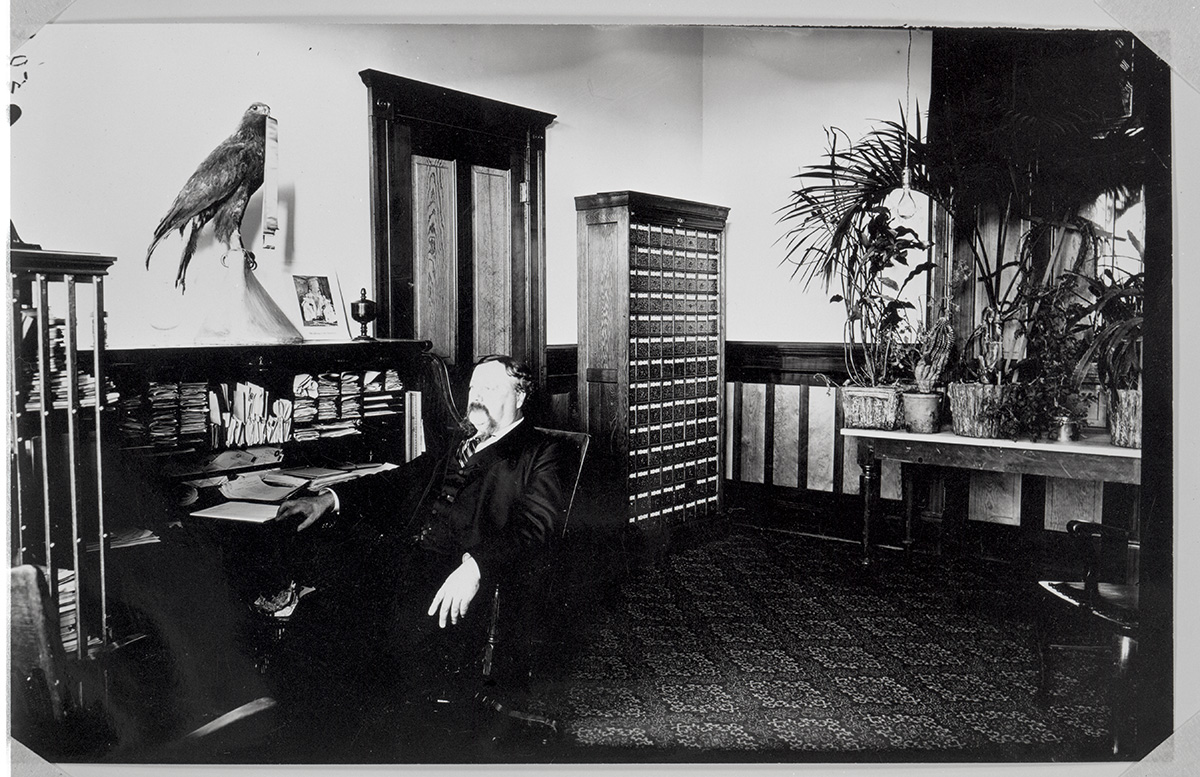
Archives and Special Collections, Mansfield Library,
University of Montana
When the University of Montana opened in 1895, its first president, Oscar J. Craig, ran it nearly single-handedly: he had no business manager or registrar, and he still taught two or three classes each semester. In 13 years he founded UM's departments of chemistry, mathematics, physics and geology, and biology. He also oversaw construction of UM's first buildings. University Hall (today's Main Hall) and Science Hall were completed in 1898, followed by Women's Hall, a dormitory, in 1902. Women's Hall was later renamed Craig Hall in his honor and is now home to the Department of Mathematics.
WAYS TO GIVE
Invest in the Future of Science at Montana

The Batts family showed what one gift can start. Private support lets our new college build on its strengths and move quickly when opportunities arise. There are three ways to make a difference.
ITHE NEXT GENERATION Distinguished Student FellowshipsNationally competitive fellowships bring future scientists to Montana. Named fellowships let donors get to know the students they support. Small grants send undergraduates into the field and to national conferences.
|
IIOPPORTUNITY Strategic Opportunity FundFlexible gifts let the dean act fast when an exceptional idea, student, faculty recruit, or partnership appears, seeding new research and helping win major federal grants. |
IIISCIENTIFIC LEADERSHIP Endowed Chairs and ProfessorshipsEndowed chairs already work at UM: the Craighead Chair, funded by private donors in 2005, supports conservation scientist Jedediah Brodie. Chairs help UM recruit, keep, and empower world-class scientists. |
A Legacy Without Precedent: Name the College of Science
A new college comes along once in a generation. For a visionary donor, there is a rare opportunity to give the College of Science its name, a lasting legacy for Montana science. To start a confidential conversation, contact [UM Foundation contact].