Thriving Rural Communities Research
REAL Co-Lab is on a mission to investigate thriving rural communities across the United States. Our hope is to highlight key economic, business, and entrepreneurial factors that can assist rural communities and state policymakers to support thriving communities. Over time, we hope to observe multiple communities in order to identify common factors that can be used as benchmarks by community and state policymakers.
Our first project is complete, featuring Meagher County, Montana.
Inaugural Meagher County Study
Executive Summary
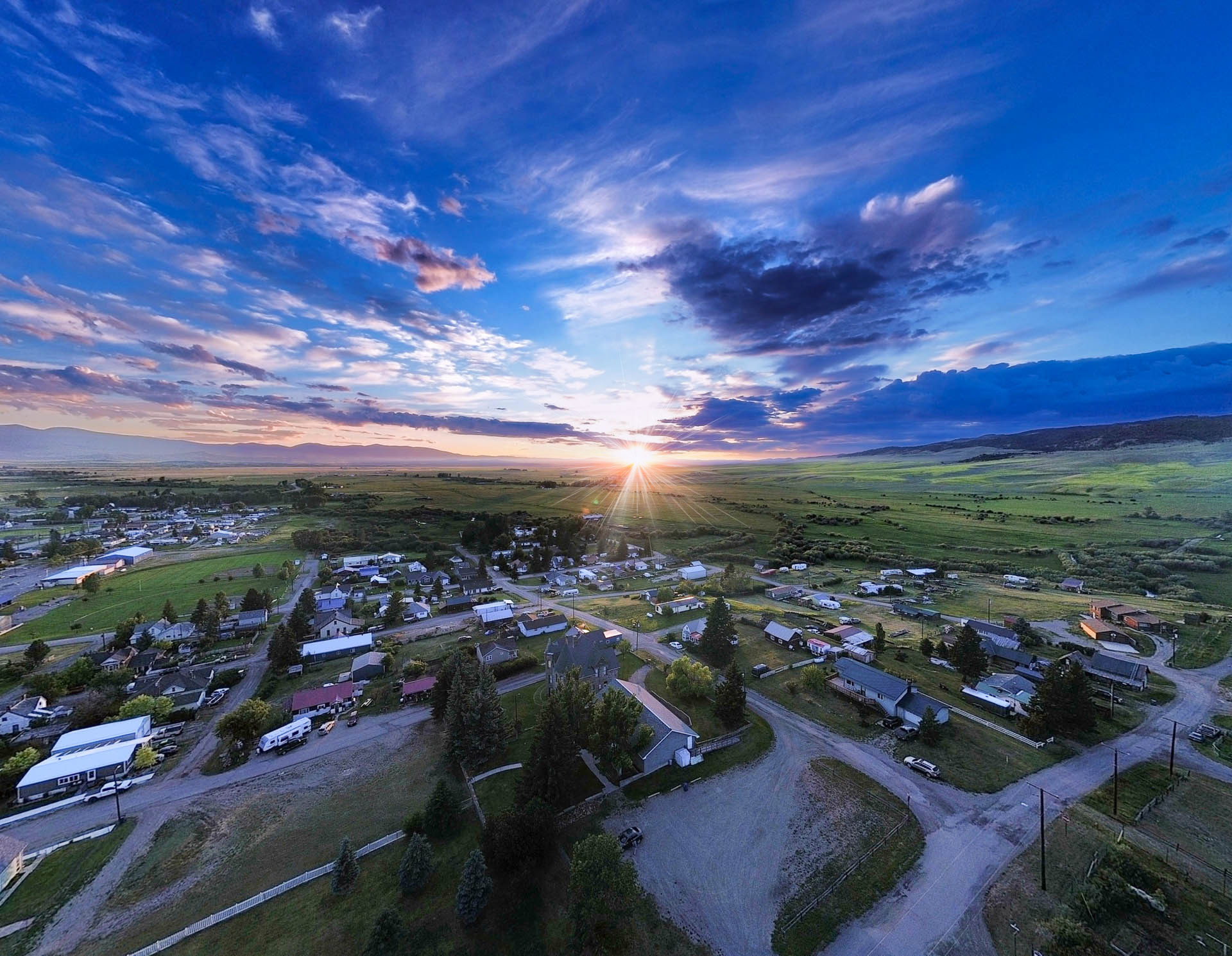 Meagher County, Montana, offers a powerful example of rural revitalization driven not by a single program or major outside investment, but by an interconnected entrepreneurial ecosystem built on education, community engagement, local leadership, and entrepreneurship. Home to just over 2,000 residents, the county has emerged as an economic outlier, with a self-employment rate of approximately 19%—well above both Montana (15.7%) and national (11.1%) averages. Unemployment remains low at 2.5%, while median household income has grown to $71,932, nearly matching the Montana average.
Research conducted through the University of Montana's Thriving Rural Communities initiative found that Meagher County's success is rooted in five interconnected factors that together create a thriving rural entrepreneurial ecosystem.
Women, Families, and Community Drive Business Growth
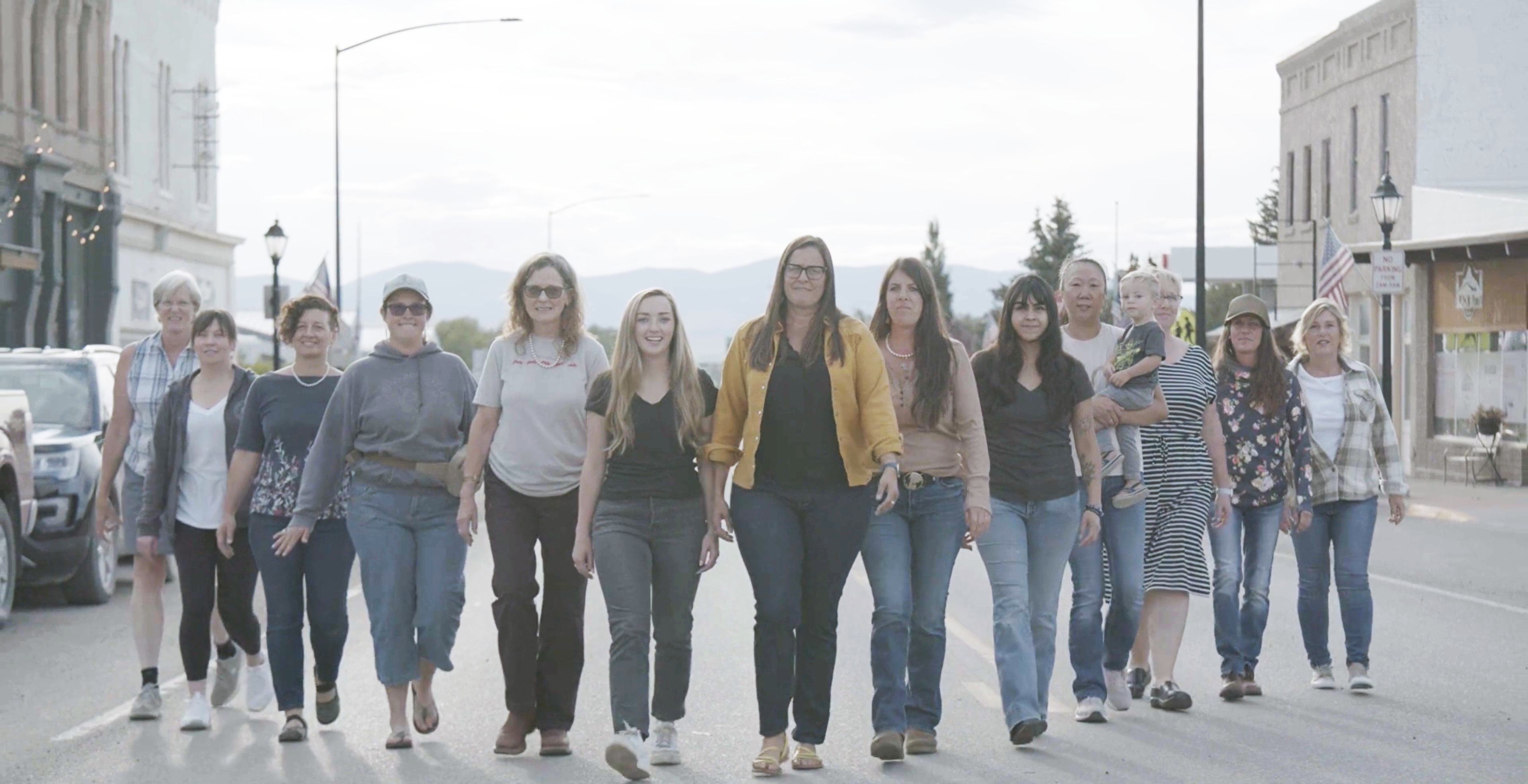 Entrepreneurship in Meagher County is deeply rooted in family partnerships, community investment, and women-led business development. Notably, 77% of surveyed business owners identified as female—nearly double the national average for women-owned businesses.
Business owners consistently described a culture of mentorship, referrals, collaboration, and shared problem-solving. Established entrepreneurs actively support emerging business owners, creating a community where growth is viewed as a collective success rather than a competitive endeavor.
"The women in this town are incredibly entrepreneurial. They don't take no—they're just going to figure it out."
Education Functions as an Economic Development Engine
Education is one of Meagher County's greatest competitive advantages. Among surveyed business owners, 77% have post-secondary education, 57% hold a bachelor's degree or higher, and 70% of co-owners have attended college.
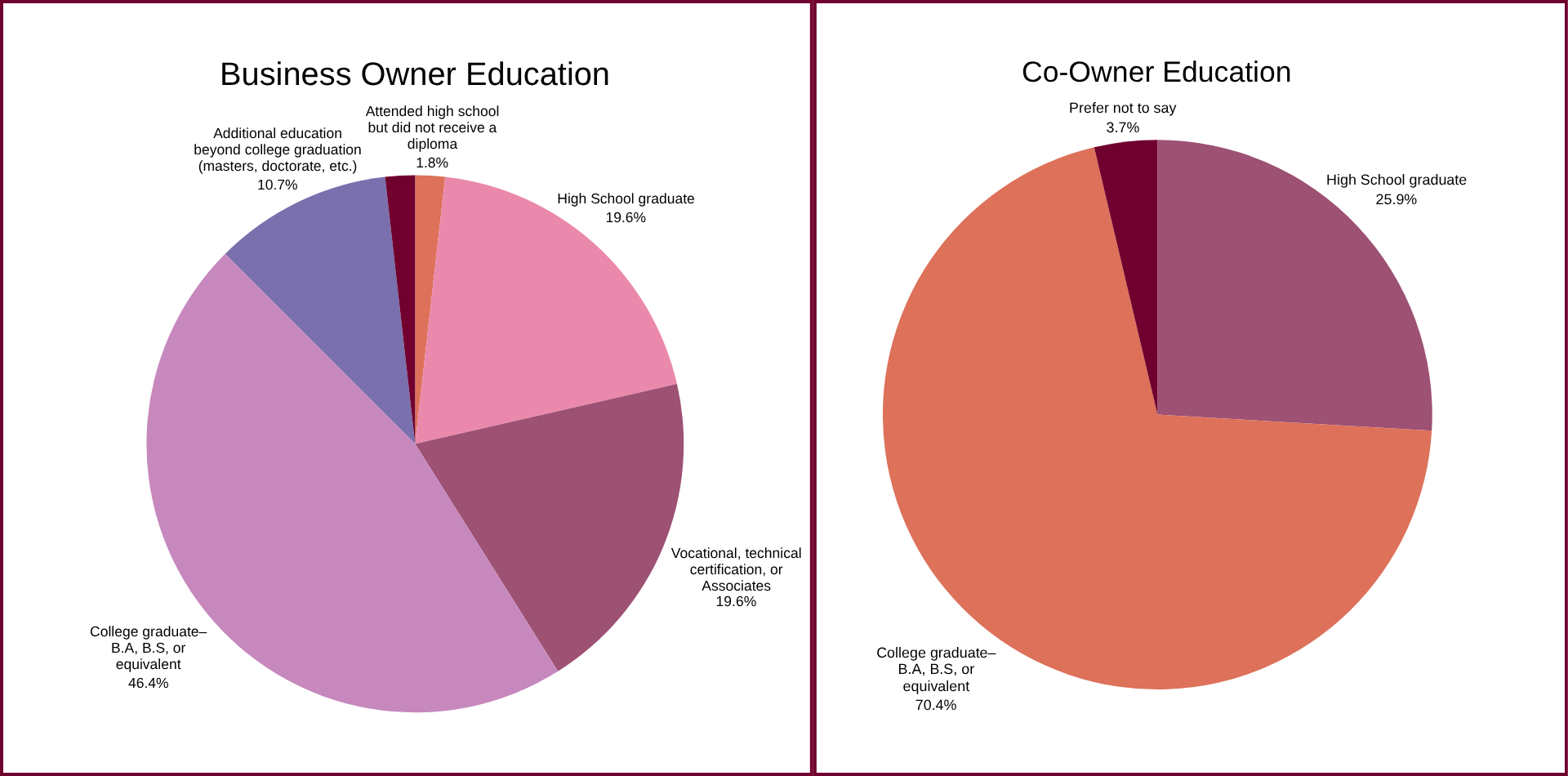
Central to this success is the Charles M. Bair Memorial Trust Scholarship, which has invested more than $15 million in local students since 1976 and awarded more than $735,000 to 35 students in 2024 alone. The scholarship program has helped create a pipeline of educated community leaders, entrepreneurs, and returning residents who continue to reinvest in the county.
A Community That Shows Up
Perhaps the study's most remarkable finding is the level of civic engagement among business owners. Nearly 98% of respondents reported volunteering in their community—far exceeding state and national averages.
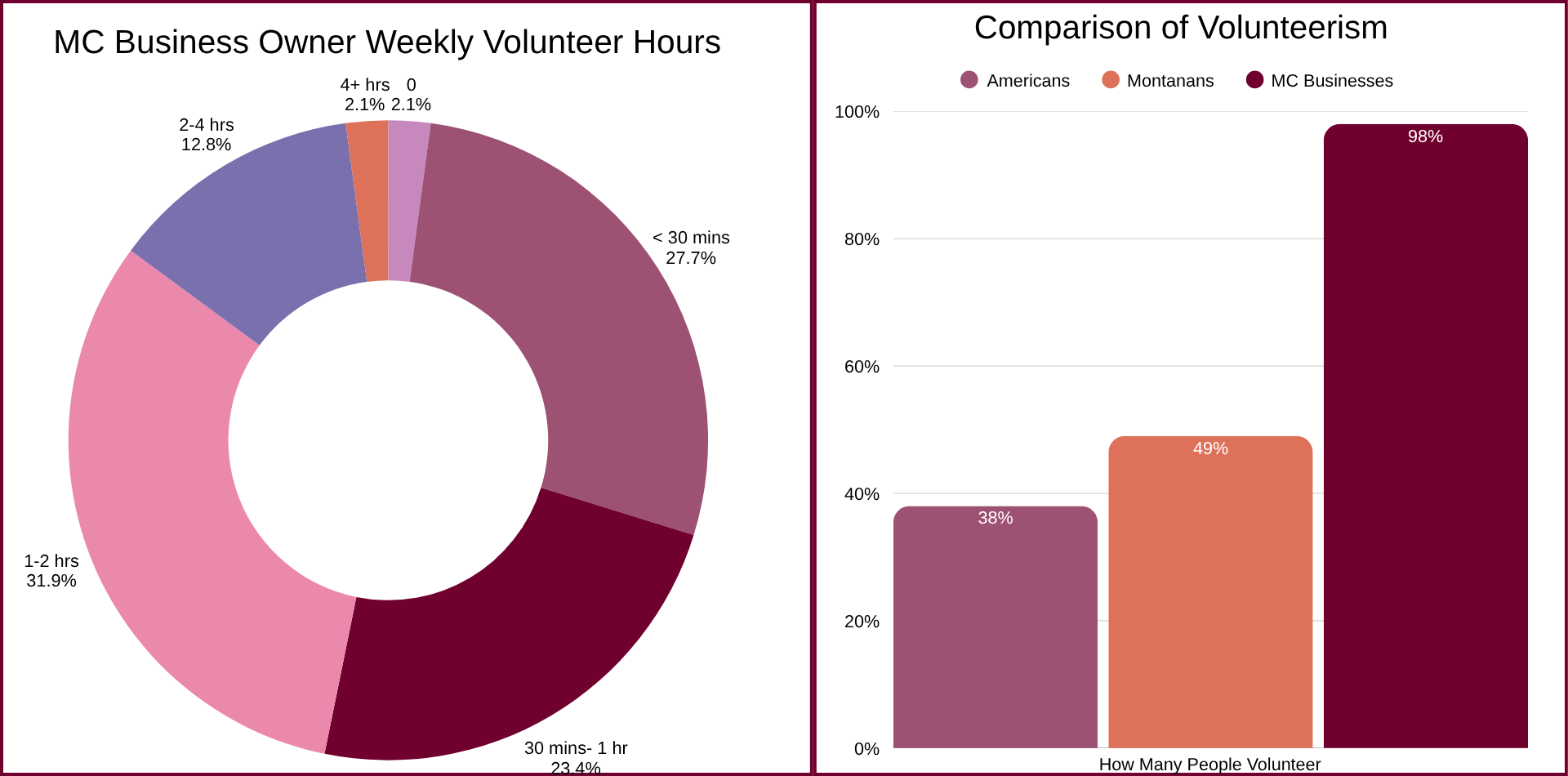
Business owners routinely serve on boards, support schools and nonprofits, organize events, volunteer for emergency services, and help neighbors in times of need. Researchers repeatedly heard the concepts of place-making and neighboring, reflecting a culture where community participation is considered part of doing business.
"The connectedness and engagement here is palpable. People don't hide. Instead, they ask, 'How can I help?'"
Businesses Support Businesses
Unlike many entrepreneurial ecosystems that depend heavily on formal support programs, Meagher County relies on strong peer networks and relationship-based support.
- 71% of business owners receive referrals from other local businesses.
- 43% receive advice or mentorship from fellow entrepreneurs.
- 41% benefit from collaborative marketing and promotion.
Local financial institutions such as Bank of the Rockies and Vocal Credit Union also serve as important community anchors, providing relationship-centered support that many rural communities have lost through financial consolidation.
Natural Assets Have Become Economic Assets
 Meagher County has successfully transformed its natural amenities into a year-round destination economy. The county's hot springs, the Smith River, Showdown Montana Ski Area, hunting, fishing, and outdoor recreation opportunities support a growing network of restaurants, retailers, lodging providers, outfitters, and service businesses.
The Red Ants Pants Music Festival has become a significant economic and cultural catalyst, attracting approximately 15,000–17,000 visitors annually and helping position White Sulphur Springs as a regional destination.
Challenges and Opportunities Ahead
While Meagher County is thriving, business owners identified several challenges that could constrain future growth:
Workforce and Housing
- Difficulty recruiting and retaining employees.
- Limited affordable housing inventory.
- Near-zero rental vacancy rates.
- An aging population and shrinking workforce pipeline.
Capital and Commercial Space
- 76% of business owners used personal or retirement savings to grow their businesses.
- 49% have never sought outside financing.
- Many entrepreneurs cited funding, capital access, and commercial space as major barriers to growth.
Infrastructure and Childcare
- Broadband and technology limitations remain challenges for some businesses.
- Limited childcare capacity affects workforce participation and business growth.
- Infrastructure investments in housing, commercial space, storage, and shared-use facilities remain community priorities.
Key Takeaways
Meagher County's success is the result of several reinforcing strengths: long-term investment in education, women-led entrepreneurship, extraordinary civic engagement, strong peer networks, local financial institutions, and strategic use of natural assets.

The county has cultivated a culture where people are willing to take risks, start businesses, volunteer, mentor others, and invest in their community. The result is a rural entrepreneurial ecosystem that demonstrates how strong social capital, human capital, and local leadership can produce lasting economic resilience.
Nominate Your Community!
Have your community join this research! This research team hopes to study at least 10, rural communities from across the country that are thriving against the odds. Does that sound like a community you know?
If so, please click the button below right now to nominate your community to be studied for the Thriving Rural Communities research. We would love to start a discussion about your community.