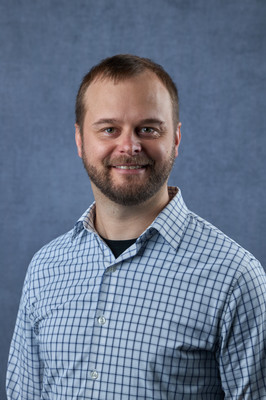
Nathan Stahley, MSW, SWLC
Outstanding AFI - Questions
What degree(s) do you have, and where did you earn it (them)?
BS in Business Management - Rocky Mountain College
MSW - University of Montana
What is your current role at your organization?
National Association of Social Workers (NASW) Executive Director, Montana and Idaho Chapters
How did you come to work at your organization?
After graduating from the University of Montana, I was encouraged to apply for this role by a former UM student and colleague. My background in managing grants and leading coalitions seemed like a good fit, and it allowed me to do macro social work, which I enjoy. I had joined NASW as an MSW Student and was familiar with the organization.
What do you appreciate most about supervising practicum students?
I enjoy working alongside upcoming professionals as it allows me the unique opportunity to teach with and learn from passionate individuals. Problem-solving to achieve change at the community level is a great feeling, and being able to guide students towards successful implementation of macro-skills is a joy for me.
What does being a social worker mean to you?
Being a social worker allows me the privilege to walk alongside others and be part of individual, group and community change. From helping a client with immediate needs to changing the systems through collaboration, I see myself as an agent for change and hope. Behavioral change through policy-making and bringing others together are all part of my identity as a social worker.
How does your role as a social worker relate to your role as a supervisor?
As a social worker and supervisor, I can help students embody the values and ethics of the profession. By balancing the relational, skill-building, and administrative functions of social work with the core principles of autonomy and empathy, I see supervision and social work as deeply interconnected.
What is the most important thing you hope your practicum students take with them into their careers?
That social work skills can and should be applied across various settings as we seek positive change. From leading coalitions, facilitating groups, and working directly with patients we must understand how invisible environmental, social, and cultural context impacts our lives and work at all levels.
What is your favorite quote that exemplifies social work?
“We change the world when we create the time and space for heartfelt, unique conversations that discuss values and affirm doubts, feelings, and intuition.” - Peter Block
Any final words of wisdom?
Embrace the process of learning and let go of perfection. We learn through mistakes, so make them and keep making them so you can learn and grow.