
Our Legacy, Your Future
At the University of Montana, our vision of social work, our commitment to social justice, and our adherence to an integrated-practice model derive from the legacy and passions of Jane Addams and other leaders of the settlement house movement.
Our program is also informed by two great Montana social workers: Jeannette Rankin and Charlotte Towle.
Jeannette Rankin
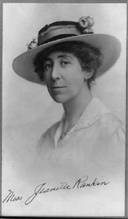
Jeannette Rankin was born at Grant Creek, Montana, educated at the New York School of Philanthropy, and active in the women’s suffrage movement. She is best known for being the first woman elected to the United States Congress – in 1916, four years before the U.S. Constitution was amended to grant women the right to vote. She is remembered as an inspirational leader in the cause of peace and social justice. Rankin served two terms in Congress, 1917 to 1919 and 1941 to 1943, and both times she distinguished herself by voting against entry into war.
Charlotte Towle
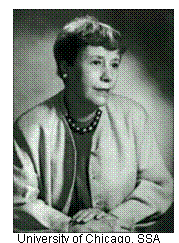
Charlotte Towle is also a child of Montana, born in Butte in 1896 and raised in this raucous copper-mining city that was the West’s icon of industrialization, urbanization, and immigration. Her understanding of “common human needs” was shaped by the struggle and support she witnessed as Butte people carved out a mining way of life on unforgiving terrain. After leaving Butte, Towle went on to a distinguished career in social work practice and education, eventually retiring from the University of Chicago. The author of seventy articles and three books, Towle is probably best known for her classic text, Common Human Needs.
Our Legacy Today
Today, the MSW program responds to the social, political, and economic conditions shaping Montana and the rural West in the twenty-first century by preparing effective, creative, ethical social work professionals able to grasp the relationship between local struggles and global issues and to take an integrated approach to these challenges.
Our program educates students to become competent, ethical, and collaborative practitioners, community leaders, and researchers who appreciate diversity, use critical thinking skills, engage in multi-level practice, understand the intersection of rural and global contexts, and take an integrated approach to these challenges. At the University of Montana, we are proud of our history and of the quality social work education we offer in the state and region.